
Remember me

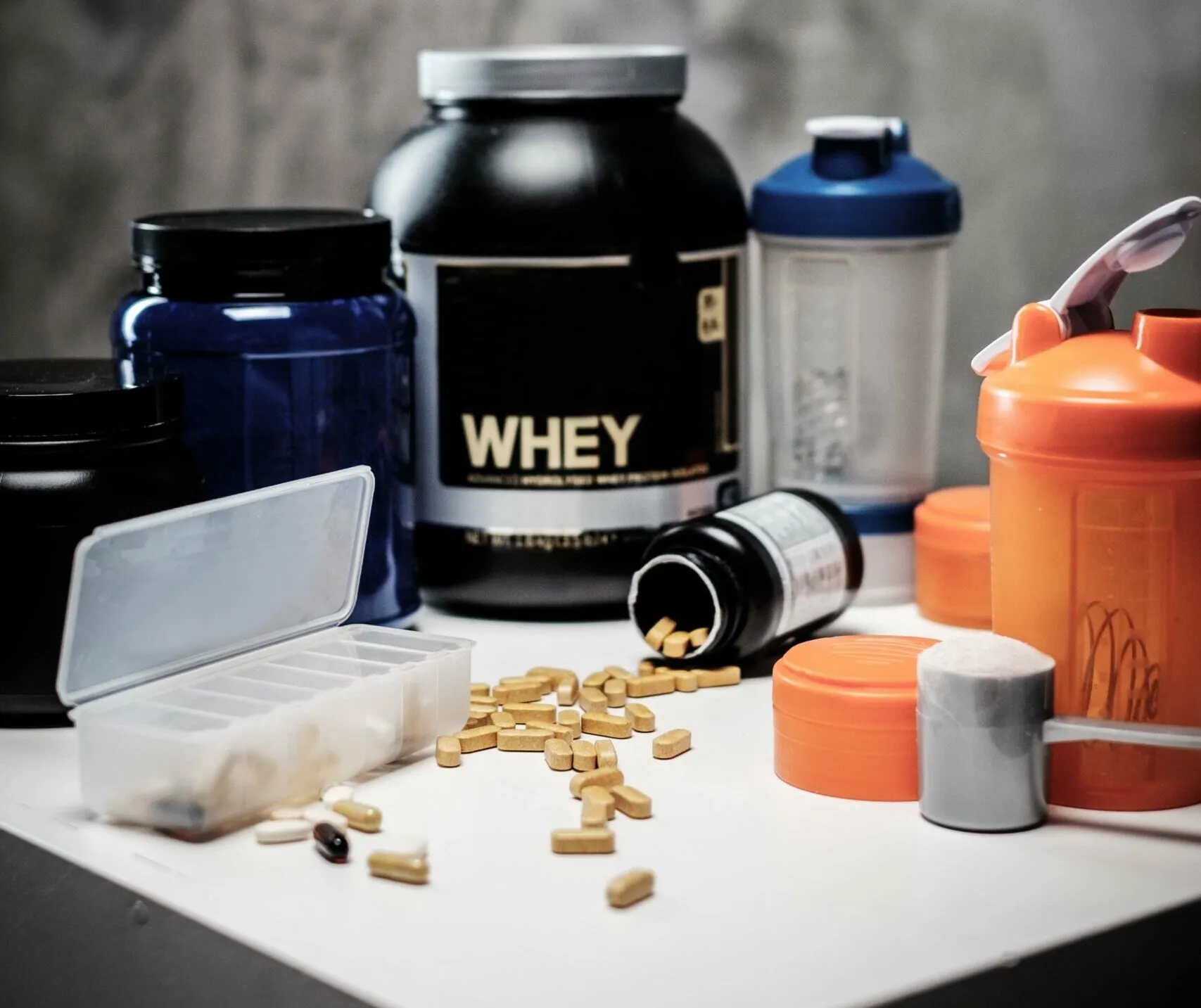








Everyone and their dog are using supplements these days.
But just because it exists, doesn’t mean it’s useful, or even entirely safe.
So I think it may be helpful to use a simple grading system for supplements based on the traffic light concept of:
Green (go), amber (slow down, caution) or red (don’t take, stop).
Let’s break that down in more detail.
Green supplements
Any supplement that is well established in historic provenance with good safety data and has been shown to support health outcomes such as:
Vitamin D Omega-3 Magnesium Creatine COQ10Even the green list is not entirely risk-free – and this is why any sensible doctor, personal trainer, nutritionist, or journalist should advise you to seek appropriate medical advice before taking any supplement. It may sound like a deeply dull chore, but this really is good advice.
We might all be used to thoughtlessly popping a multivitamin with your morning cuppa. Still, carelessness here can have serious consequences: excess vitamin D supplementation can result in high calcium in the bloodstream which could trigger heart issues, and Omega-3 has the potential to increase bleeding risk. High-dose magnesium can cause diarrhoea and kidney function problems. CoQ10 can interact with blood-thinning medications.
Everybody is genetically different, and individuals may be taking medications which could interact with supplements, so advice from an article can only go so far, especially in regards to how much to take which requires personal tailoring.
We all know we should eat a balanced diet with plenty of protein, fruits and vegetables alongside healthy natural fats and oils, but sometimes our best intentions can’t fulfil our needs; therefore supplementation may plug the gaps and potentially also enhance our performance capabilities.
Amber supplementsThese are supplements where the evidence base is mixed, where definitive data is not available, and the safety data is unclear. I advise consulting with a trained health professional who can give you specific advice having reviewed your medical record, diet, lifestyle and performance goals before considering taking any of these.
Nicotinamide mononucleotide (NMN), a key precursor of nicotinamide adenine dinucleotide (NAD), has gained increasing attention for its potential roles in metabolic regulation, neuroprotection, and healthy ageing.
A small 2021 study of runners concluded that NMN increases the aerobic capacity of humans during exercise training, and the performance enhancement is probably a result of increased oxygen use by muscles.
You note the phrases “potential”, and “probably”. And this is where the world of supplements begins to get murky, claims may be made which whilst not wrong, aren’t definitive fact.
L-carnitine is an amino acid derivative which plays a key role in transporting fatty acids into the cells’ mitochondria – the cells’ battery packs – and therefore it can potentially support exercise performance by increasing muscle’ ability to produce power and recover afterwards. However L-carnitine also has potential to cause agitation, gut upset and potentially even heart issues.
The jury’s also out on its reported fat-burning ability. It is not a magic bullet and perhaps can only work to burn 1-2kg of fat in people with low natural baseline levels, who are also exercising more and eating more healthily. L-carnitine L-tartrate is the form which appears to be most effective for exercise performance.
PQQ, Pyrroloquinoline Quinone, might also help with energy production in the mitochondria, but there is very limited human safety data here.
A 2024 study of 64 healthy Japanese men and women found that after 12 weeks of PQQ supplementation, improved muscle strength and physical function were noted in the volunteers. However we don’t know if there are any long-term effects of taking PQQ-type supplements to allow you to push further harder and potentially longer.
Resveratrol – the chemical found in red and purple grapes – has been considered as a potent antioxidant, enhancing endurance and muscle function in animal studies. There is a Harvard study suggesting that resveratrol supplementation may confer no health boost at all in humans so we have to balance out these conflicting claims and bear in mind it can also interact with some medications.
Red supplementsFinally, supplements that have limited efficacy data and have high levels of caution attached to them due to risk.
High-dose vitamin A affects vision, muscle repair, mitochondrial function and protein synthesis. It can support the immune system under the stress of intense physical activity, potentially reducing susceptibility to infections in athletes. Unfortunately in high doses, it causes liver toxicity and birth defects.
St John’s Wort is often used for mood support, as an enzyme inducer can interact with a wide range of medications which may be harmful – particularly antidepressants and migraine medications which when combined with St John’s Wort can cause a life-threatening serotonin syndrome.
Berberine has been taken by some people to help with metabolic health and blood sugar management, but can cause problems with diabetic medications and affect several enzymes within the body that break down medications.
From my point of view the crucial issue regarding supplements is that natural doesn’t mean safe. Cyanide is natural, but I don’t think many people would want to be taking that.
As there is less stringent regulation of the supplement market compared to medications, it may not be worth the risk to take supplements lacking good safety data. My final suggestion is: rather than just considering the possible benefit, look at the potential harm.