
Remember me



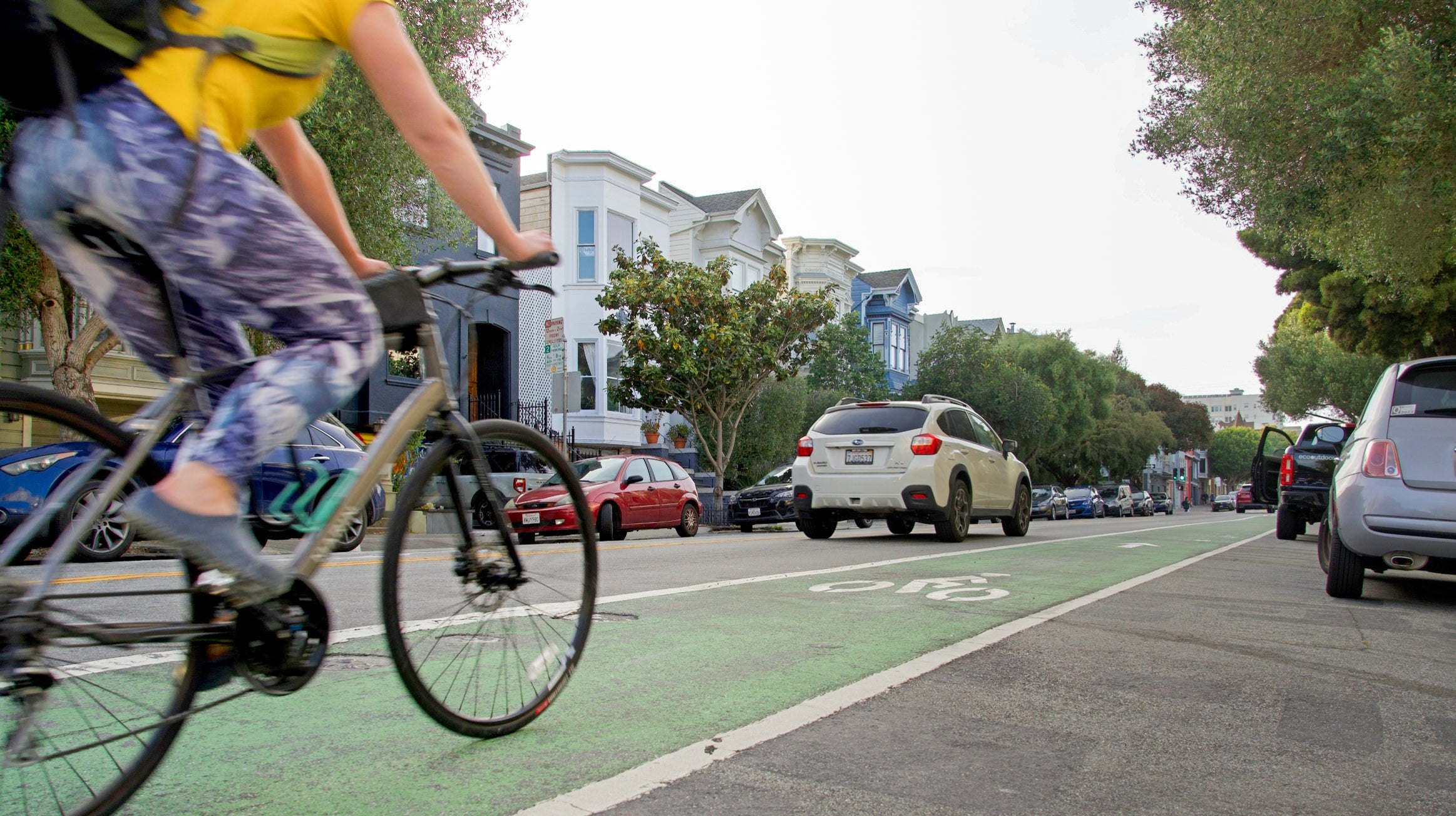






You know those days when it feels like you’re spinning without a bike chain. Legs turning over effortlessly. The sun is shining. The air is crisp. Vibes are vibing and… BLAMMO! Everything goes upside down—literally. You’ve just been hit by a car.
OMG. Am I ok? Breathe. I think so. Blink. How’s the bike? Breathe again.
The next few moments can be scary, but they can also be incredibly important to set yourself up for success in the coming weeks and months. We’re talking insurance, legal conversations, compensation for your bike, your body, even your time.
I sat down with Miles Cooper, partner at Coopers LLP (commonly known as the cycling lawyer in San Francisco, representing Bicycle Law). He practices in California, so the laws he’s referencing in this article might not be the same in your area. Consider this his legal perspective and not legal gospel. If you have questions, contact local professionals.
I asked him to answer some of the most common questions people have about what to do if you get hit by a car. Hopefully, it’s advice you never have to use.
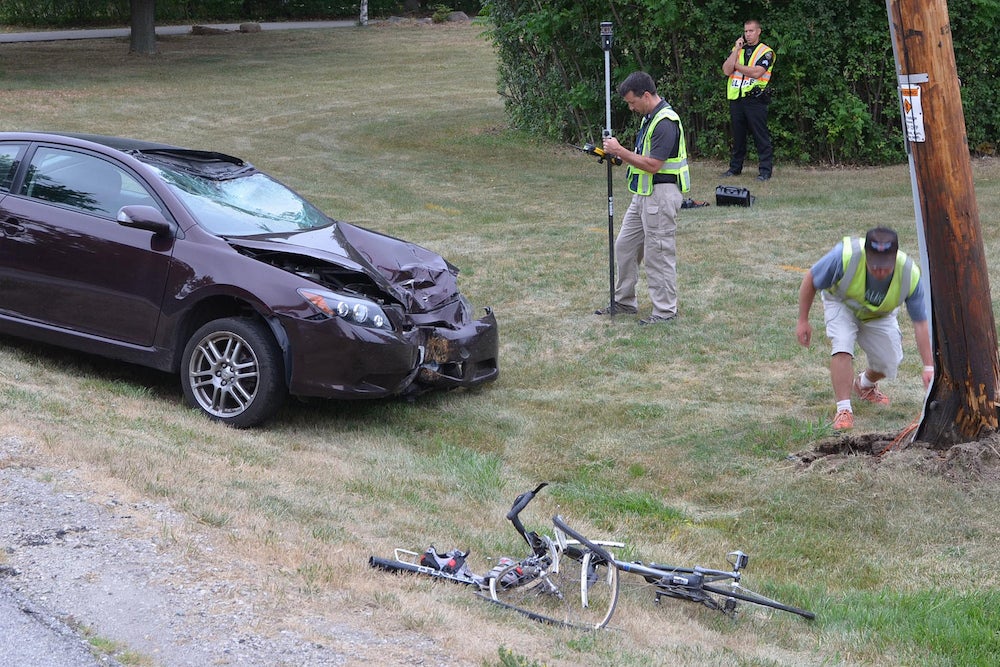 Photo: Bicycle Federation of Wisconsin
What should I do in the first few minutes after being hit by a car?
Photo: Bicycle Federation of Wisconsin
What should I do in the first few minutes after being hit by a car?
The first answer from Cooper is simple. Make sure you’re ok. Depending on the extent of your injuries, you’re going to quickly figure out if you can, or cannot move. Spinal injuries are particularly alarming. His advice is to stay put as best you can if there’s any chance of a serious injury. Which means you need to use your best judgement. If you’re in the middle of the road with cars doing 60 mph, getting out of traffic and moving to a safe place is key. Assess the situation and do what you need to protect yourself.
Hopefully, it’s not that bad and you can move, which means it’s time to switch into legal mode.
Get picturesImmediately take a photo of the vehicle’s license plate (not just the car). If you can, also grab a pic of the scene—where debris is, your bike, everything. If you can’t take the photo, ask a friend or a bystander. This is the single most important thing you need to do. Cooper warned that some drivers will slow down, get out, check on you, and then get back in their car and disappear. Having that plate information is critical.
Call 911Seek medical help. And get the police involved. Even if it seems minor, you want to make sure you’re ok. Plus, it’s helpful to get a police report too.
Get witnessesBefore the police arrive, ask anyone nearby for their contact information. By the time the officer shows up, most bystanders have cleared out, which means it’s just your word against the driver’s. Getting witnesses will help you, should you need some backup.
Stay calmAdrenaline is pumping and emotions are running high. Do your best not to freak out. This is easier said than done. But a few deep breaths will work wonders. Keep a cool head as best you can.
What should you never say at the scene?“I’m fine.”
“Sorry.”
“No problem”
“I’m ok.”
As a Canadian, this is my nightmare. So Cooper gave me a very helpful line to memorize. When the driver asks if you’re ok, your response should be: “I’m not sure. I went down hard.”
At the time you might feel fine. But remember, emotions are running high and your body is trying to convince you that you’re alright. Right after a crash, you’re not a reliable narrator.
Cooper told me about countless cases where cyclists said they were ok, rode home and then felt like something was off. Only to discover days later they had a torn AC joint, a broken rib, or a concussion. By then you’ve already told the driver everything was fine. Witnesses are gone. And the police never got involved.
Cooper’s advice: don’t apologize. Don’t discuss fault. Don’t say “no worries.” Say it with me…
“I’m not sure. I went down hard.”
 Do I need to call the police if it’s minor?
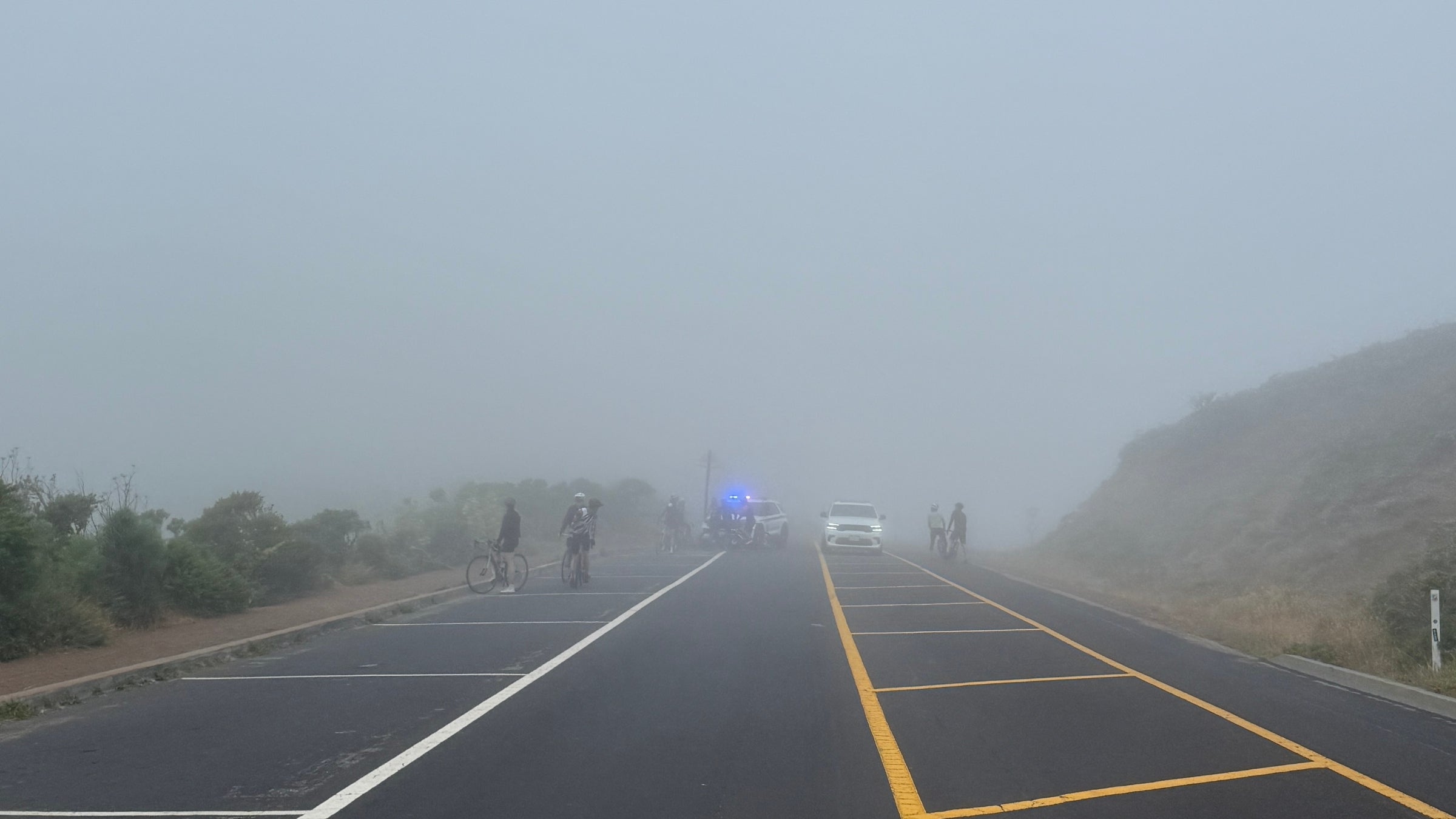
Cooper pointed out that in California specifically (this may vary by state) an officer’s conclusions are not admissible at trial, but the information gathered at the scene (witness statements, photographs, measurements) are. He advised me that having a police report on file could be the difference between having something to work with, or having nothing. Again, this is worth checking what applies to your area.
What if I receive a ticket?Cooper’s advice here was reassuring. First step, don’t panic. According to him, receiving a ticket is rare and doesn’t necessarily mean you’re at fault. It means the officer made a determination and you have every right to contest it. In fact, sometimes the officer doesn’t even show up to the court date in which your case is being presented. Which means (at least in California) the ticket is automatically dismissed.
Cooper also flagged that if you don’t contest a ticket, the incident is treated as a criminal misdemeanor. You can pay it and move on, but know that it will be a mark on your record and could impact your auto insurance rates. Yes, even though the incident happened on a bike. His recommendation is to consult with a lawyer before you do anything.
I feel okay. Do I still need to see a doctor?Cooper’s advice, with the caveat that he’s a lawyer and not a medical professional, is to err on the side of caution whenever you’re in any accident.
In his experience, injuries from crashes (particularly soft tissue damage, concussions, and joint injuries) can take time to appear. Bruising and inflammation don’t show up immediately (it can take up to 24 to 48 hours sometimes). The fact that you can stand up and walk around after an incident doesn’t tell you the whole story about what’s really going on inside your body.
Cooper also made the point that from a legal perspective, medical records help establish a timeline and add concrete facts to your case. The simple fact that you were injured is now documented with the date, time, and extent of those injuries.
If you wait two weeks and then try to make a claim, the insurance company could argue that whatever is bothering you had nothing to do with the crash (because of the time that’s passed). A same-day or next-day medical evaluation helps boost your case.
Keep in mind, you don’t have to take an ambulance. A visit to urgent care or an emergency room trip works all the same.
What are my rights if the driver drives away?This is why the first move of grabbing a photo of the license plate is critical. Memorizing the plate number works too. Worst case scenario, even if you don’t get it 100% right, the more information you have, the better.
Next step, call the police. Then call a lawyer.
According to Cooper, here’s what most people don’t know. In California, lawyers and investigators have the right to gather owner information from the DMV based on license plate data. If you have that plate number (or at least part of it), there are ways to try and hunt that driver down. Check what applies in your state, but Cooper’s advice is to call a lawyer immediately in a hit and run situation.
To help support the timeline, in some cases, Cooper has even subpoenaed cell phone location data to demonstrate that a driver who claimed to be an hour away was actually at the scene.
Plus, there are all sorts of other cameras that can be pulled in as video evidence. Bus cameras, ATM footage, red light cameras—there are a lot more video sources than you might expect, and a good lawyer knows how to find them.
The driver’s insurance company called me. What should I do?Cooper was very clear here and it was important advice. Do not give a recorded statement. Do not accept a settlement offer. Do not have a friendly conversation with the very nice person from Oklahoma who is sorry about what happened and wants to make it right.
Here’s what Cooper says is really happening on this call. It’s the insurance company’s job to settle your claim for as little money as possible. He explained that they will call you early, before you know the full extent of your injuries, and offer you a settlement that sounds reasonable. If you accept it and sign a release, that’s it. Case closed. You have no further recourse, even if you find out six months later that your injuries were far more serious than you first thought.
So what do you do? If an insurance company calls you just say you’ll be in touch. Always remember that just because you feel pressure from the opposing insurance to move quickly, that’s an artificial timeline. Take the time you need to make sure you have your thoughts in order and a plan formed. Cooper suggests you hang up the phone and call a lawyer.
Whatever you do, always remember that the opposing insurance is not your ally. That person on the phone is not working with your best interests in mind because that’s not their job. The goal is to limit liability for the company that they work for and that is different than meeting your needs.
When do I need a lawyer? And when do I not?According to Cooper, talking to a lawyer for the first time won’t cost you anything. Injury lawyers work on contingency, which means they only get paid if you win. That’s why that first phone call is free. If a lawyer does want to charge you for that initial consultation, this is a major red flag. Hang up and call someone else.
So when do you really need a lawyer? Even if your injuries seem minor, a brief conversation can help illustrate if there’s anything you might be overlooking, or risks you might not be aware of.
Cooper has seen situations where a cyclist decided not to pursue any action, did nothing, and then received a letter from the driver’s insurance company six months later demanding compensation from them for damage to the driver’s car. Huh?! By that point the witnesses are gone, the video has been deleted, and the cyclist has no evidence to work with.
Lawyers also have a lot of experience that you don’t. How many times have you been involved in a crash and had to navigate the system? The lawyer you are talking to may have helped thousands of people through exactly what you are trying to navigate for the first time. That expertise alone can be a huge help when you find yourself dealing with what might be a major life event.
It’s a free phone call; even if nothing comes from it, consider it for some peace of mind.
Can I make a claim for my bike along with my injuries?Cooper reassured me that yes, you can claim damages to your personal property. In fact, your bike and your personal injury claims are handled separately, which actually works in your favor.
Things like your phone, glasses, helmet, and kit are considered property damage and, in Cooper’s experience in California, are typically resolved faster and from a different insurance bucket than any bodily injury claim. Which means you will probably get your bike stuff sorted out faster, while the personal injury side of things is still being worked out. Remember, laws vary by state, so it’s worth investigating what applies in your location.
When it comes to your bicycle, Cooper was firm on this: if it’s a carbon bike, don’t ride it again until you get it checked out at a reputable bike shop. He shared that carbon can fail catastrophically, and without warning. His advice is to take your bike to a professional bike mechanic and have them inspect it. They can document whether it’s a total loss (or not) and then (if applicable) include that in your claim.
It’s worth noting that every bike, not just carbon, should be inspected. If your bike was involved in a crash it should be checked thoroughly and everything should be documented. Nothing is too small to show up on the damage list. If there’s new damage from the crash, document it as this is the beginning of the negotiation.
Keep in mind, insurance companies will sometimes try to quote you a depreciated value based on a resale database. Don’t freak out. Instead, say this: “Fine. Source me a replacement.”
You want the replacement value for your bike, not the resale value.
Next, document all of this. Photograph every item that was damaged. Build a spreadsheet with links to current retail pricing. Include your bike fitting cost, labor for rebuilding, anything that was damaged (bike kit, helmet, computer). The more thoroughly you document it, the easier it is for the adjuster to justify writing you a check.
What if the driver has no insurance?Get ready for the best piece of advice from our entire chat. And it’s something you can (and should) do right now, before your next ride.
Cooper recommends that every cyclist get uninsured/underinsured motorist coverage on an auto insurance policy, even if you don’t own a car.
And he practices what he preaches. Cooper doesn’t own a car and still carries auto insurance, for this very reason. He told me that a non-owner auto policy is inexpensive and extends coverage to you as a cyclist. His point is that if someone with no insurance hits you, your own policy covers the difference.
For context, Cooper carries $1,000,000 worth of coverage himself. Laws and minimum requirements vary state by state, so you’ll have to see what level of insurance makes sense for your situation but it tends to be worth upping it at least a little for most people. If you are involved in a crash on a bike, or in a car, that coverage could be all you have available. The lower mandated limit won’t go far if you need to use it and increasing it a little typically costs almost nothing. Whatever you decide, it’s worth a conversation to run the numbers and talk to your insurance provider.
What’s the single most important thing to remember?When I asked Cooper this, he paused, genuinely took a beat, and really thought it through. Then he dropped these two gems.
If there is an incident, even if it seems minor, document it. Something that appears small in the moment can turn out to be more serious than you realized. Think about the thousands of rides you’ve been on where nothing went wrong. Being prepared matters. However, don’t let this ruin your ride. If you’re constantly thinking about all the things that could go wrong, you’re not enjoying all the things that are going right.So be prepared. Know your rights. Keep your bike in good condition. And go forth and ride.
Miles Cooper is a co-owner of Bicycle Law, a San Francisco-based firm that exclusively represents cyclists in crash cases.
Disclaimer: This article is provided for general informational and educational purposes only and does not constitute legal advice. If you have been injured in a cycling accident, you should consult a licensed attorney in your jurisdiction promptly.