
Remember me
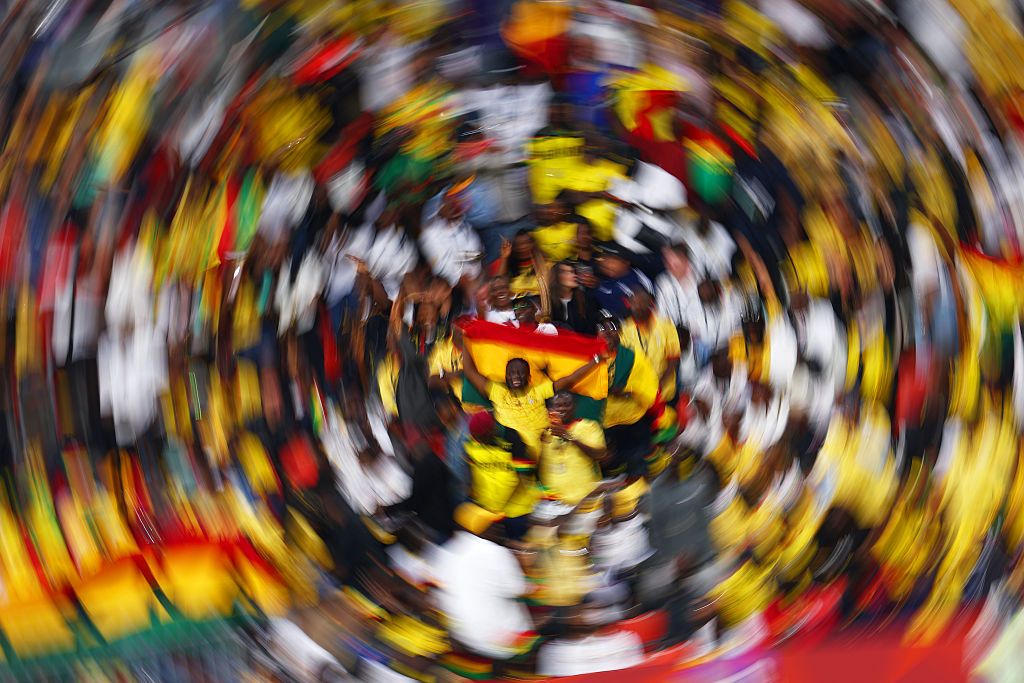
The music begins in Sankofa Square as hundreds surround a slowly approaching black truck. A half dozen drums beat in sync and sheet metal bells ring to the rhythm.
It’s Ghanaian Jama music, and the crowd, one half sporting bright yellow Ghana kits and the other in traditional kente cloth, sway and chant with it. Shouting starts the moment a man steps out of the car.
It’s Otumfuo Nana Osei Tutu II, the king of Ghana’s Ashanti tribe. Shaded from the pounding heat, the Asantehene follows the music—and a sizable procession—towards a stage with a golden throne.
The chanting peaks and then fades as the king takes his seat. Then, a Toronto Police Service car flies by, siren wailing, and the cacophony of the city’s traffic drowns out the noise. This is Canada, not Ghana.
But for one day, parts of the city felt like an African country. The Black Stars’ first World Cup match saw Ghanaians from across the world add to the masses already in Toronto. They came out in numbers to support the squad and were rewarded with a last-gasp victory.
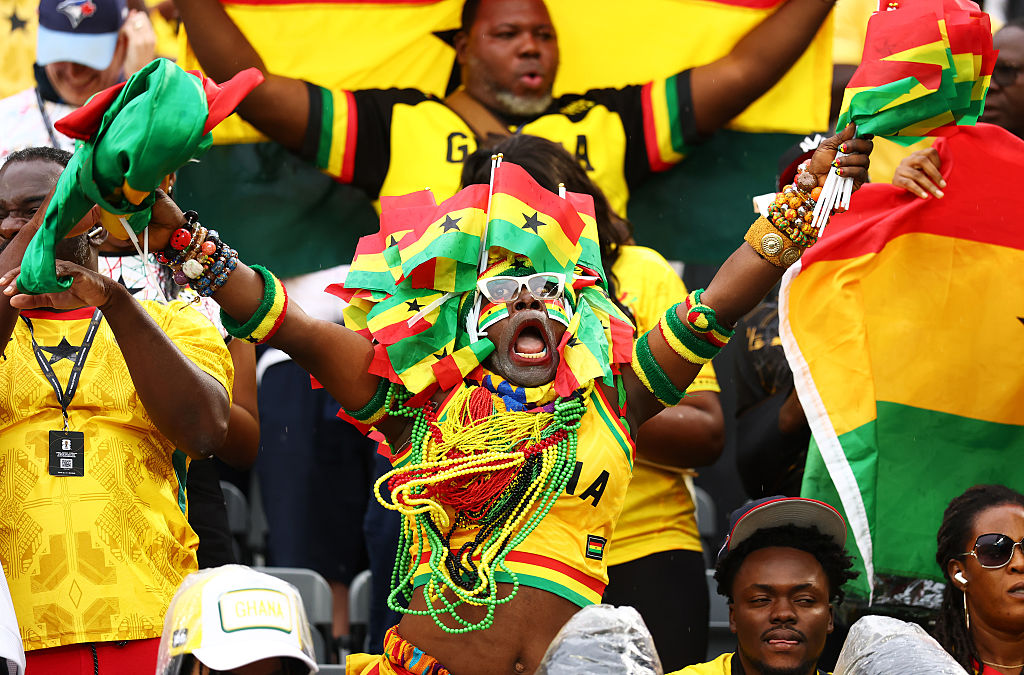
FourFourTwo spent the matchday with Ghanaians across the city to find out what the Black Stars’ first-ever match in Toronto was like. The day began nearly ten hours before kickoff in the heart of Toronto at Sankofa Square. Hundreds packed into the quad for hours to greet the king, sing, dance, and celebrate the Black Stars' arrival.
The plaza was renamed in 2023 from Yonge-Dundas Square to distance the city from Henry Dundas (a historical Scottish politician) due to his controversial role in delaying the abolition of the transatlantic slave trade. Sankofa originates from a West African Twi word meaning "to go back and get it." The concept emphasises the importance of learning from the past to inform and improve the future.
“The Ghanaian population [in Toronto] is huge,” said Gabriel Odartei, former secretary of the Ghanaian Canadian Association of Ontario. “We are really, really proud people. Whenever you see a Ghanaian, right away they try to speak our language, greet them, and things like that, because we're just proud to see each other.”
You may like On the ground with three World Cup legends for Puma's kit block party in New York City
 Ghana World Cup 2026 squad: Carlos Queiroz's final 26-man selection
 How to watch Ghana vs Panama for FREE
There are more than 20,000 Ghanaians in Toronto, and while there are differing tribes, languages, and cultures, football unites them all. “We're here, we are Ghanaians, we are one, we wear one jersey,” said Ghanaian-Canadian Kwebena Boateng. “I think that's the beauty of these things, there's no boundaries, especially in the Toronto area. One thing that unites us is the soccer, right? Soccer and songs.”
Well before a ball was kicked, those songs brought Ghanaians together. Across the city, as kickoff approached, another Jama session began in a park near the Toronto stadium. Odartei described Jama as an energy booster, and it did exactly that as the Ghanaians prepared to march towards the ground. Drums, whistles, and clapping accompanied the vocal ensemble before a lone trumpeter took centre stage.
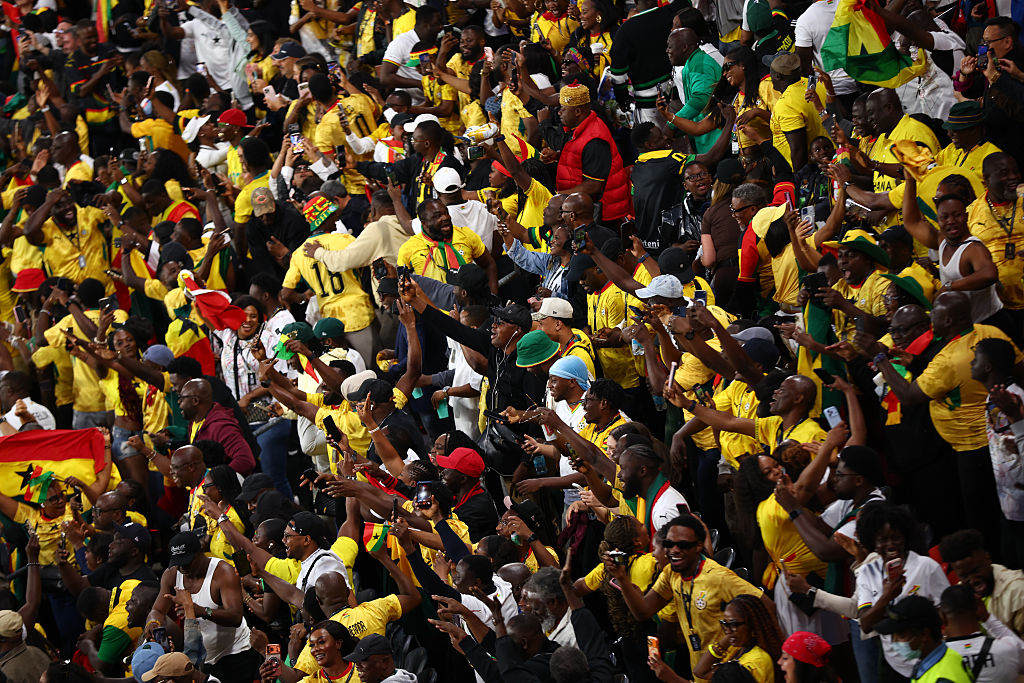
The fans turned a park bench into a concert venue. Everyone was singing and dancing—from those familiar with Jama to people hearing it for the first time. Even journalists and photographers bobbed their heads to the infectious beat. The Jama continued as the swathe of yellow jerseys danced toward the stadium, flags flying in the air. They halted traffic en route, occasionally stopping to dance in the road.
As one set of fans entered the ground and settled into their seats, hundreds more gathered in the north of the city for a viewing party. Nothing but yellow shirts were visible as people packed into a wood-panelled barn, eyes glued to a projected screen. Rain began to fall as the game kicked off, and everyone squeezed tighter for shelter.
Fans in the stadium and barn were separated only by distance. Those watching from afar reacted like they were perched in the terraces, cheering when fans in yellow kits appeared on the screen and repeating their gestures. As the match began, the crowd ebbed and flowed with its momentum. There was rarely a moment of silence.
What to read next Antoine Semenyo backs Ghana to qualify for the knock out rounds of the World Cup - despite finishing bottom of the group four years ago
 Welcome to New Scotland, a party 28 years in the making
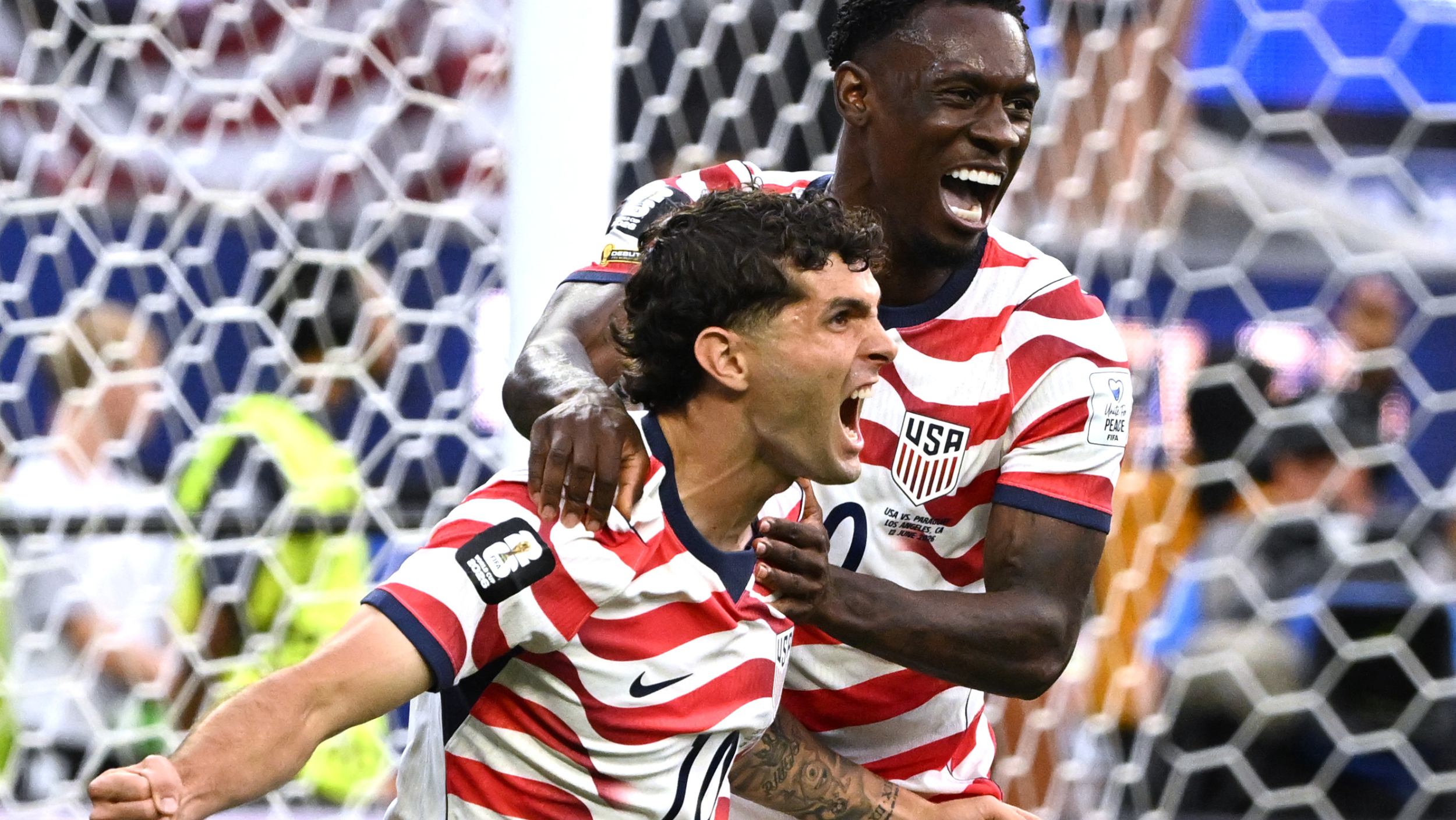 World Cup day two highlights - USA turn on the style while Canada make history
A cacophony of sharp inhales echoed out every time Black Stars goalkeeper Lawrence Ati-Zigi put his body on the line to keep the side level in the first half, alongside shouts of “who’s there?” when an early cross spilled to the top of the box, and no one collected it. Their opponents started out the stronger side, and shrieks rang out when Panama advanced towards goal.
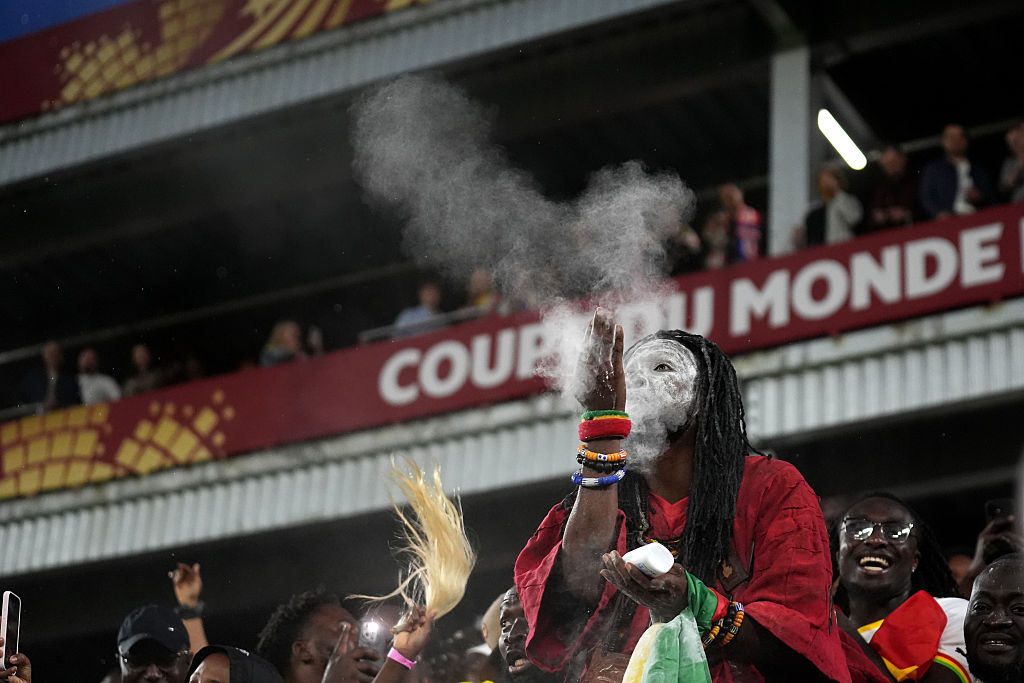
The crowd came to life again as the second half kicked off, with many leaving their feet as Jonas Adjetey’s early header went towards the net. While Ghana improved on its first-half performance, neither side found the net as the game entered extra time. But the crowd never lost its fervour.
Then, pandemonium. Five minutes into extra time, the building trembled as Brandon Thomas-Asante skipped past his defender towards goal, but it completely shook when Caleb Yirenkyi tapped the ball into the net. Hundreds left their feet in sync in pure ecstasy before deafening chants began as the Black Stars celebrated their go-ahead goal on the pitch.
The noise didn’t stop as the clock ticked on. Whistles, shrieks, and Jama music bounced from wall to wall as the elated onlookers waited for the match to end. As the referee blew his final whistle, fans turned their attention to what matters most—the community. People hugged, children danced, and strangers chatted while their countrymen at the Toronto Stadium circled the pitch in celebration.
“This is better than Christmas,” said Ebenezer Otang, the event organiser, after the match.
Emmanuel Quaye, director for external affairs for the Ghanaian Canadian Association of Ontario, echoed Otang’s enthusiasm: “The Black Stars represent Ghana as a national team and for them to be on this world stage and showcase their talent and skills is a high accomplishment. It makes us proud as Ghanaians. With the chanting, with the singing of songs, with flying the flags it's all like one voice, one nation, and one spirit, all behind the Black Stars. They always shine brightest when they see that the nation, or even the diaspora, are behind them with these Jama songs.”
Whether they felt the energy from across the city can be debated, but the Black Stars delivered for the nation—and its diaspora—behind them. Before the match, Boateng, who came to Canada in 1997, said he believes Toronto is one of the best places to emigrate to. “Multiculturalism everywhere you go, everybody's welcome, and the opportunity that it gives coloured people,” he said. “Look at Sankofa Square, this is the center of the city and they name it after a Ghanaian name.”
From the square with the Ghanaian name to Toronto Stadium and across the city, the Black Stars’ arrival brought an already vibrant Ghanaian community to life. “What we showed you, what happened right here is exactly what the Ghanaian community is,” said Otang as bubbly fans left the viewing party in droves. “It’s jam-packed culture jerseys, supporting art, ball, and culture. That is the true definition of our Black Stars from Ghana.”