Bacteria levels in River Trent higher than an unflushed pub toilet
On 31 July 2025, for example, river samples taken downstream of the pipes showed 141,000 coliforms per 100ml.Some results were so high they exceeded the lab’s normal upper range.Karl Birkinshaw, Chief Operating Officer at water hygiene consultancy Envirocloud which analysed the samples, said the more extreme downstream samples had to be diluted before they could be measured properly.He told LBC: “We're looking at toilet roll, looking at human waste, we're looking at all the nasties that find their way into the sewerage system.
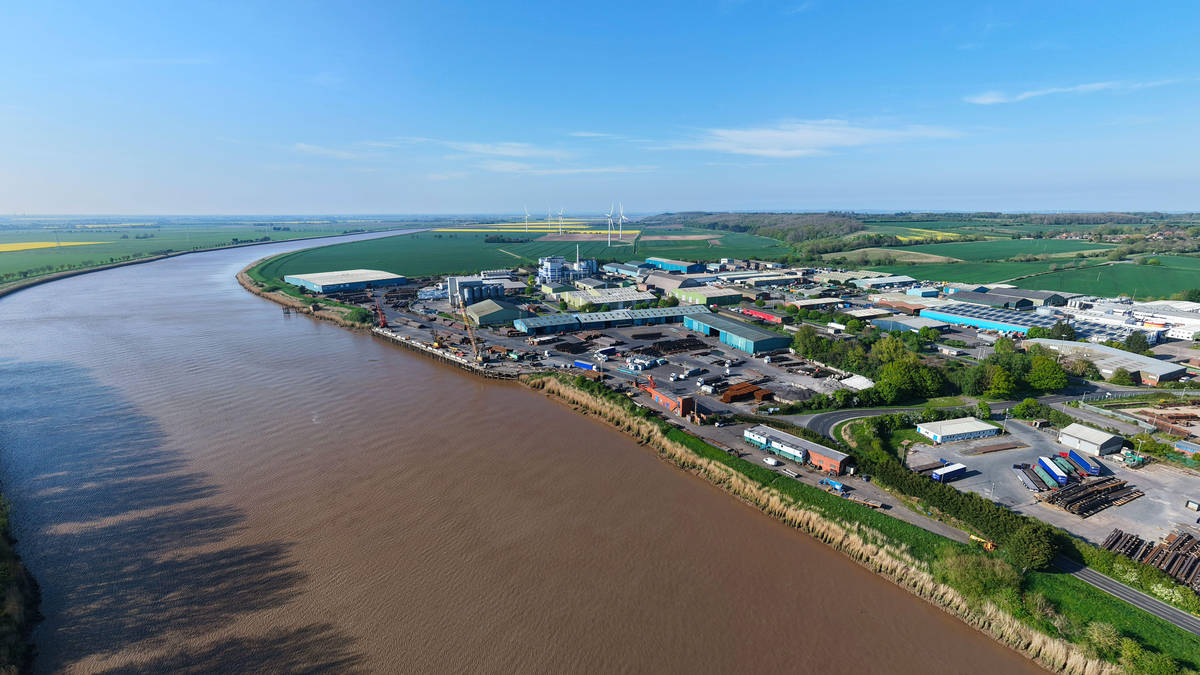
“Above the outlet we’ve got typical levels of biological growth, but below the outlet we can see it’s dramatically increased to an extent where the normal type of analysis wouldn’t give us the result."“It was too high,” he added. “If you’ve got a thermometer that goes up to 100 degrees, we were way over 100 degrees.“If you ingest the water, you’re going to get upset tummy, possibly stomach cramps, sickness,” he said. “Who knows, potentially in hospital, depending on how serious it got.”He added: “I wouldn’t go in here at all. I wouldn’t let my dog in here.”For one Burton dog owner, those fears are all too real.Emma O’Brien told LBC her dog Nova became seriously ill after swimming in the River Trent near Branston last summer while O’Brien was away on holiday.“It was quite soon, so within four to six hours,” she said. “Then she was sick all night and then she was taken to the vets the next morning as an emergency.”O’Brien said Nova was “bringing up brown green sludge”, could not keep water down, and needed an emergency injection to stop her from being sick, followed by antibiotics and a special diet.“She was frothing at the mouth, couldn’t keep anything down, really shaky, just not herself at all, she didn’t move for a good 48 hours.“It is angering. Why should they be putting this waste in the rivers that we believe are clean and healthy?”LBC shared the results with Severn Trent, and a spokesperson said the company welcomed community interest in river health, but that “accurate conclusions cannot be drawn” from the test results alone, as bacteria such as E. coli can also come from wildlife, livestock, septic tanks and urban runoff.The company said it is not solely responsible for the Trent’s overall condition, that this stretch of river is already classified as having “poor” ecological status for a range of reasons, and that it has plans to improve network performance in this area before 2030.The data was also shared with the Environment Agency, which said it takes water pollution seriously and, after reports of discharges from Stanton Sewage Treatment Works late last year, warned Severn Trent and instructed it to take action to prevent it happening again.It said officers carried out a full site inspection last week and found those actions had been taken.