'No Address' highlights homelessness through a story of family and survival
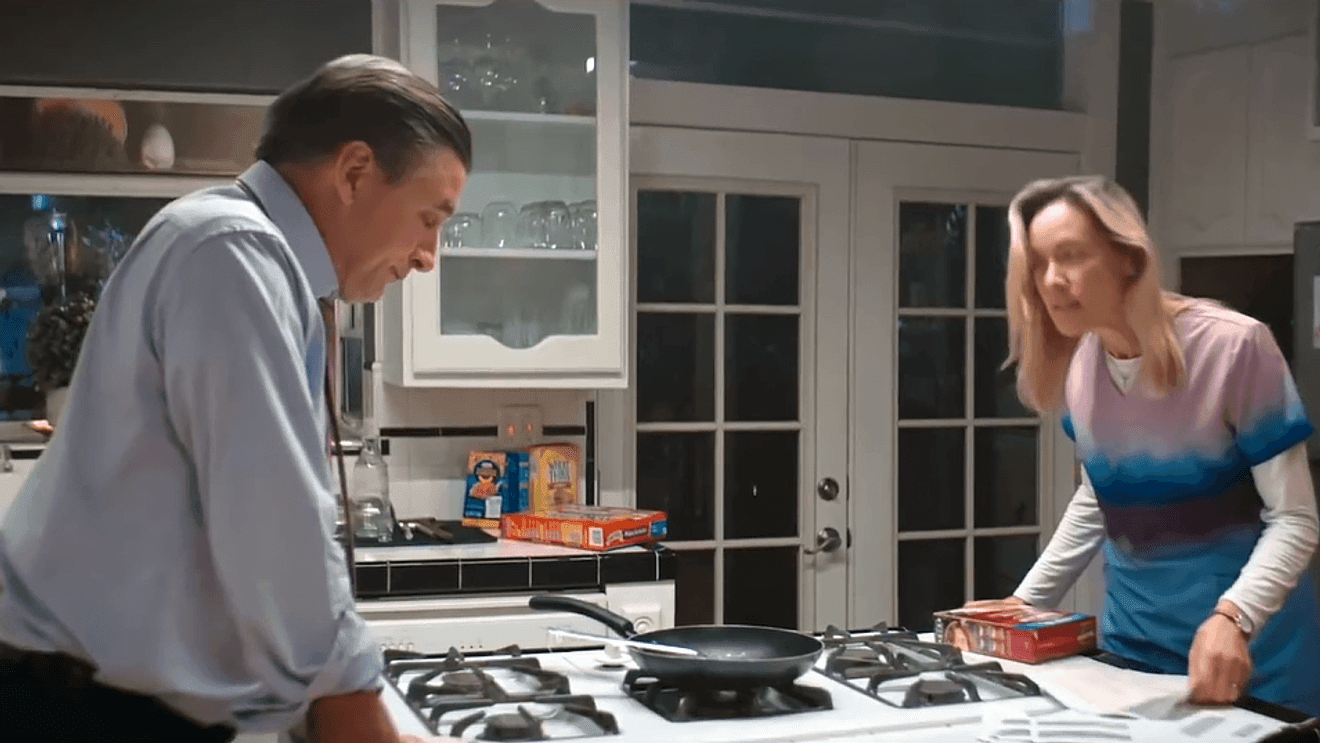
Support, stability and connection are at the heart of Forever Family’s mission. Those same themes are also central to No Address a new film that looks at homelessness through the lives of people fighting to survive — and finding family in one another along the way.The film stars William “Billy” Baldwin and follows a group of people experiencing homelessness as they navigate life on the streets, the systems around them and the personal struggles that often go unseen.In a recent interview with Jim Grimes, Baldwin spoke about the message behind the movie, the connection to foster care and the conversations he hopes the film will inspire.A young person with nowhere to goOne of the most powerful moments in the film centers on Lauren, a young woman who returns to her foster home and finds her belongings waiting outside. A 72-hour eviction notice is posted on the door. With nowhere to go and no support system to turn to, Lauren’s situation quickly becomes a portrait of instability.“They stole my phone,” she says in the film.For Baldwin, that moment reflects the reality faced by some young people who have spent time in foster care.“Sometimes you have a kid who’s been in foster care, comes from a very dysfunctional, unhealthy, unstable background, and they struggle to launch,” Baldwin told Grimes. “These are our little babies that we need to make sure that we’re taking care of.”The scene connects directly to the work of Forever Family, which focuses on children and teens who need permanency, support and a stable place to belong.Understanding the path to homelessnessInspired by true events, No Address explores several different paths that can lead to homelessness. The film includes images of people living on the streets, walking alone through darkened areas and standing amid public demonstrations — visuals meant to show both isolation and the broader crisis unfolding across communities.Baldwin said his character, Robert, was designed to represent one of the major factors that can lead people into homelessness.A scene from the trailer for “No Address” shows William Baldwin’s character in a tense kitchen moment. (Angel)“Robert’s character was designed to show one of the primary causes of homelessness,” Baldwin said. “The vast majority of people living on the streets have either an addiction issue or a mental health issue.”He said that reality is important to understand because homelessness cannot be solved with housing alone.“You can’t take them off the streets and put them into housing if you’re not treating the mental health crisis and the addiction problem as well,” Baldwin said.A crisis connected to foster careThe issues raised in No Address also intersect with the child welfare system. Many children enter foster care because their parents are facing serious challenges, including addiction, mental health concerns, poverty or housing instability.For young people aging out of foster care or leaving unstable homes, the lack of a permanent support system can make the transition into adulthood even more difficult.Baldwin said part of the film’s purpose is to help viewers better understand how people end up on the streets — and to challenge assumptions about homelessness.He said that as he toured the country promoting No Address and related documentary work, including a project focused on fentanyl, he saw firsthand how many people are affected by overlapping crises.Programs that offer hopeBaldwin also pointed to programs he believes are helping address homelessness by treating the deeper issues behind it.He described approaches that combine faith-based support, 12-step recovery and medical treatment, saying those models can help people stabilize and avoid returning to the streets.“They are being treated for their health disorders, and the rate of recidivism is very, very low,” Baldwin said. “They have like an 83% success rate.”William Baldwin appears in a courtroom scene from the trailer for “No Address.” (Angel)He believes investing in treatment and long-term support can also reduce costs connected to homelessness, emergency services, addiction, mental health care and the welfare system.“You’re paying already more for it than it would cost to treat them,” Baldwin said.A message of compassionAt its core, No Address is a story about people who are often overlooked. Through its characters, the film asks viewers to see homelessness not as a single issue, but as a human crisis shaped by trauma, health, family instability and a lack of support.Baldwin said he hopes the movie inspires more compassion — and more action.“What people need to know is that if you give them this type of three-pronged, faith-based, 12-step and medical support, we could change that crisis in America,” he said. “We could turn that around.”Where to watchProduced by Robert Craig Films, No Address is now streaming exclusively on Angel.To learn more about how you can help children and teens in foster care, visit foreverfamily.org. Forever Family is presented in partnership with ChildNet and The Boca Raton.To learn more about helping children and teens in foster care, visit ForeverFamily.org.Kogan & DiSalvo Personal Injury Law sponored our forever families of the week.