Are all the eateries in Delhi's Humayunpur shutting down?
For many Delhiites, Humayunpur was never just another food lane.For Delhiites looking for a taste of the Northeast, Humayunpur was more than just a neighbourhood, it was a destination. It was where someone inevitably sent you for pork momos tucked away in an unassuming lane, where cramped cafes served steaming bowls of thukpa and smoked pork, and where students, office-goers and serious food lovers rubbed shoulders over shapta, Korean fried chicken and cups of butter tea.Long before Instagram discovered it, Humayunpur was quietly serving some of the city's best Northeastern food.
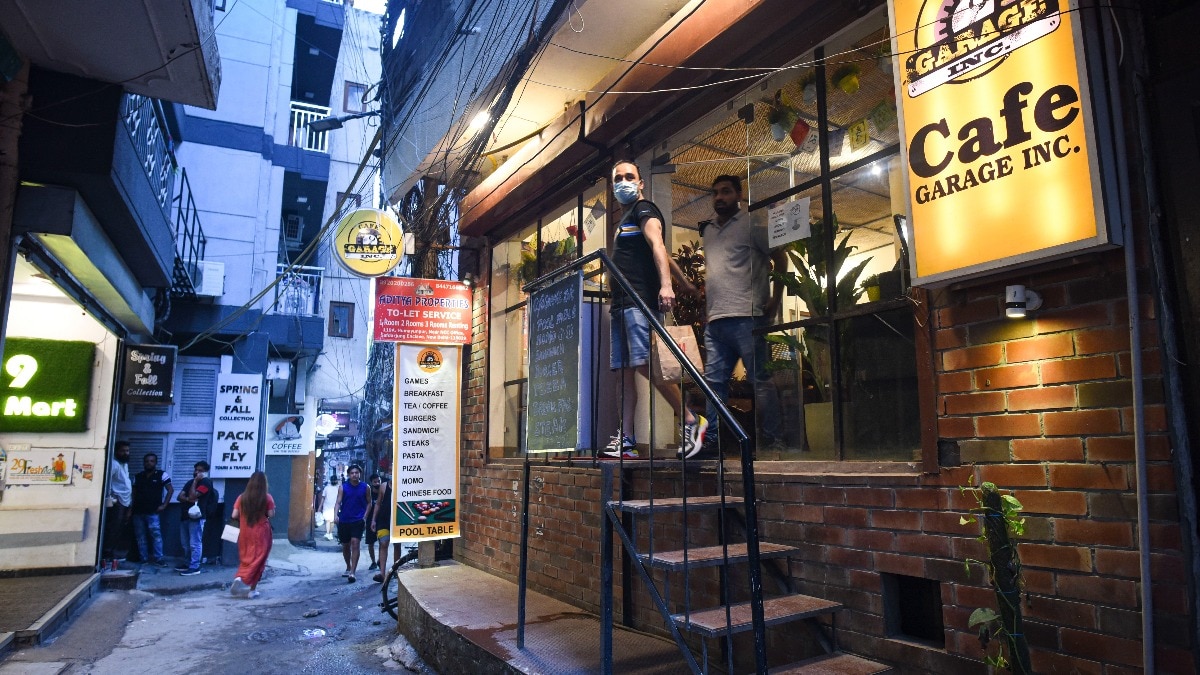
Then Instagram did discover it.One reel became ten. Ten became a hundred. Food influencers arrived. Diners followed. Soon, a neighbourhood once known mostly to locals was drawing visitors from across Delhi-NCR. Restaurants multiplied, cafes expanded, rooftop eateries appeared and grocery stores selling Northeastern ingredients found a thriving customer base.Humayunpur had finally become a destination.Today, that destination finds itself at the centre of an uncomfortable conversation. Following the devastating Malviya Nagar fire that claimed at least 21 lives and exposed serious lapses in fire safety and building compliance, authorities launched a wider crackdown across Delhi. Humayunpur, with its maze-like lanes and rapidly expanding commercial footprint, quickly landed on the radar.Last week, shutters came down across several popular establishments. Diners were greeted by closed doors instead of crowded tables. Rumours spread rapidly online. Was Delhi's favourite Northeast food hub being shut down for good?The answer, at least for now, appears to be no.But the episode has exposed a reality that many perhaps ignored while chasing the city's next viral food spot: Humayunpur was always a residential neighbourhood first.The bigger argument: When popularity becomes a problemSuccess came quickly to Humayunpur.The area offered something Delhi was increasingly craving: authentic Northeastern food experience without the long trip to Majnu Ka Tila. What began with a handful of restaurants eventually snowballed into a thriving ecosystem of eateries, cafes and speciality stores. Thanks to people’s evolving taste palates, the establishments were thriving.So when the crowd followed, so did the problems.The lanes remained narrow even as footfall surged. Cars, delivery riders, diners and residents often found themselves competing for the same limited space. On busy evenings, entering some stretches felt nearly impossible.Yet few complained when business was booming. The Malviya Nagar tragedy changed the conversation.Suddenly, questions around fire exits, building permissions, licensing and commercial activity inside residential spaces were no longer bureaucratic concerns. They became matters of public safety.As reports of closures spread, concern quickly turned into panic. Several well-known establishments temporarily shut their doors, leaving owners and staff worried about what came next. But many restaurateurs argue that social media rumours exaggerated the situation."Humayunpur is open," said Dickey Choden Bhutia of Lha's Kitchen, urging people not to jump to conclusions about the future of businesses in the area.Over the weekend, many establishments gradually reopened and customers began returning.What is unfolding in Humayunpur appears less like a permanent shutdown and more like a battle over compliance, licensing and the future shape of commercial activity in one of Delhi's most beloved food districts.For Delhi's food lovers, the anxiety around Humayunpur goes beyond restaurant closures. The neighbourhood represents something increasingly rare in the city: an organic food culture that grew through community recommendations rather than corporate planning.Its rise helped bring Northeastern cuisines into the mainstream conversation around food in Delhi. It created opportunities for small entrepreneurs. It gave people a reason to venture beyond familiar culinary comfort zones.Nobody is arguing against safety. After Malviya Nagar, few would. But as authorities tighten scrutiny, many are hoping the solution is regulation rather than erasure.- EndsPublished By: Tiasa Bhowal Published On: Jun 16, 2026 18:02 IST