Rachel Reeves is sleepwalking Britain into a disaster - 1 grim figure just proved it
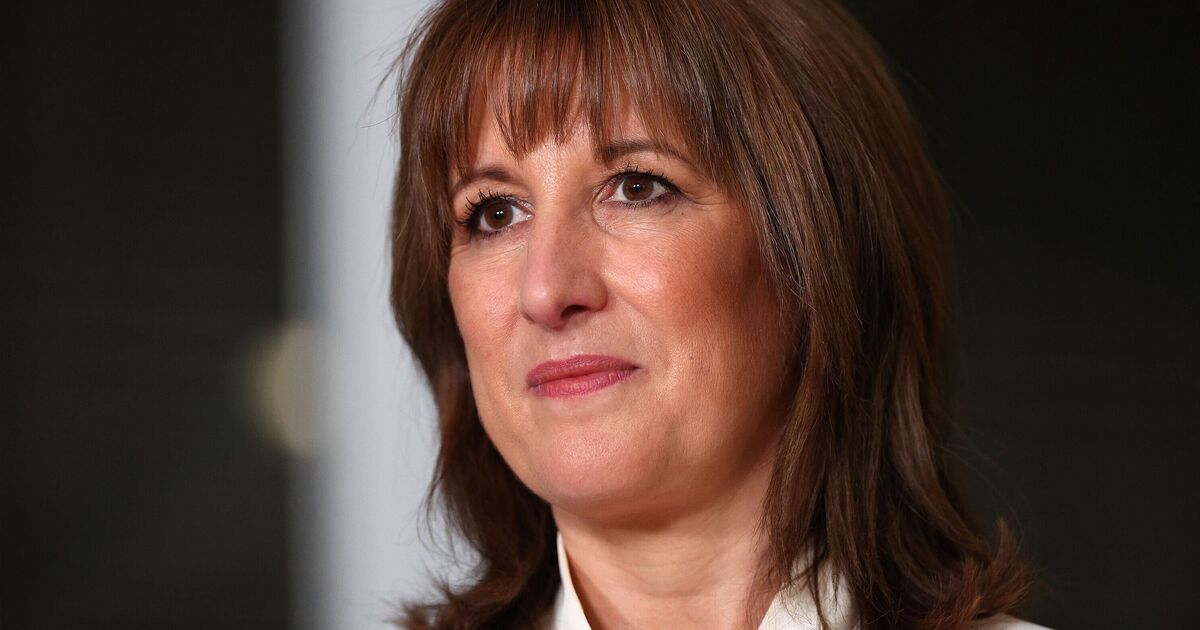
Rachel Reeves is taxing British businesses in oblivion, argues Adam Toms. (Image: Getty)A solemn applause echoed across a factory floor in the East Midlands as a trolley of product was wheeled towards its destination for the final time. The pottery was given a guard of honour at the kiln by employees of Denby Pottery, which appointed administrators on March 31 after being unable to secure investment. The 217-year-old Derbyshire company is a prime example of a British name with global appeal, having sold pottery to customers in South Korea, Canada and beyond. A petition to apply energy-intensive industry relief to the ceramics industry to “help cut soaring industrial energy costs” has garnered more than 100,000 signatures and is consequently being considered for debate by MPs.Let’s hope this debate does happen, and when it does, that Rachel Reeves is present to hear about yet another business struggling under her reign at the Treasury. The Chancellor is facing truly grim research suggesting that 300,000 UK businesses failed in 2025. This is nearly one in every twenty, according to the insolvency practitioner Liquidation Centre. @denbypottery_ Yesterday, on the same site where our pottery began 217 years ago, the final pieces of Denby made their way to the kiln for firing. Centuries of making pottery at Denby may be coming to a close, but the love and soul poured into each piece will live on. In the memories of our skilled craftspeople, in the feel-good moments our loyal collectors enjoy with their Denby, both here and around the world, and in the hearts of the whole community who have stood together and tried their hardest to #SaveDenby in our hour of need. Of course, there will definitely be Denby in many peoples’ homes for years to come, it was always made to last after all… Denby would not have been able to continue for this long without generations of dedicated, skilled people, from the kilns to customers’ homes and all the pairs of hands in between, thank you to every member of staff, past and present, for playing your part in taking care of this piece of history. The future is always uncertain and whilst it’s hard to comprehend what things may look like in the next weeks and months, we are so hugely proud of everything this Derbyshire pottery has achieved, it's not and has never just been about the pots. *Featuring Roger who has worked at Denby for 54 years. #fyp #foryou ♬ original sound - Denby Pottery The latest data suggests 220,490 UK businesses closed during the year leading up to Q3 2025, with firms struggling with rising operating costs, weaker consumer confidence and ongoing economic uncertainty.Looking ahead, forecasts suggest that up to 289,000 businesses could fail in 2026.“If realised, the figure would mean business closures remain close to 2025 levels, indicating that many firms are likely to face continued pressure over the coming year,” Liquidation Centre said.This is obviously not all Ms Reeves’ fault.As she keeps saying, Britain is being pounded by macroeconomic factors, such as the war in the Middle East and high energy costs.But you cannot just keep using this as an excuse.During the 2024 General Election campaign, Labour figures over and over again promised to deliver growth.Ms Reeves pitched herself as a business-friendly, enterprise-nurturing Chancellor whom entrepreneurs could trust.But after acceding to the throne, she announced that employers would have to pay more in National Insurance (NI) contributions for their employees.It turns out, Ms Reeves planned to try and spark growth by taxing jobs.This was fundamentally contradictory, and one of a litany of questionable decisions made by this Government.A year later, the Chancellor confirmed an increase to the minimum wage, making it even more expensive to employ people.In February, a survey from the British Retail Consortium (BRC) suggested that UK retailers were planning to cut staff hours and jobs.Steven Mulholland, the CEO of the Construction Plant-hire Association, told the Express last week that firms in his sector are “being squeezed by rising costs, skills shortages, higher National Insurance contributions and inheritance tax reforms”.The hospitality industry, including struggling pubs, has also begged Ms Reeves to “show some pity”.Her former Cabinet colleague, Wes Streeting, seems to think the Chancellor made a mistake, suggesting that cutting employers' NI could mean businesses hire more young people.Sir Keir Starmer and Rachel Reeves have been criticised for overseeing only moderate economic growth (Image: Getty)Pat McFadden outlined very succinctly what Labour’s attitude seems to be in published messages to Lord Mandelson, writing: "Every meeting I have is 'who can we tax in order to pay benefits to others'.”Reeves is raising revenue from Brits in order to keep the nation’s finances on a stable footing - which is imperative, as the Liz Truss catastrophe proved.We need to pay taxes - it’s a fact of life.But taxing businesses should be considered a last resort, not something done just a few months after taking office.Instead, another source of cash is staring the Government in the face.It had already tried to refine the benefits system but retreated in the face of a growing backbench rebellion.Future historians may cite this moment as the beginning of Sir Keir Starmer's downfall.According to the Department for Work and Pensions (DWP), total UK welfare spending was £314.9bn in 2024/25, representing 10.7% of UK GDP, a House of Lords Library report stated.It is forecast to rise to £333.7bn in 2025/26 (10.9% of GDP) and to £408.6bn in 2030/31 (11.2% of GDP).Welfare spending accounted for 24.4% of government spending in 2024/25 and is anticipated to increase to 25.4% in 2030/31.This is low-hanging fruit, and should be taken advantage of. Returning the level of sickness benefits to before those seen before the COVID-19 surge would release all money needed for defence, for example.Conservative leader Kemi Badenoch has been talking about this a lot, and should keep doing so.As Margaret Thatcher correctly said, to ensure that Britain is rich enough to sustain the continued operation of state services for an older and larger population and to defend itself, wealth must first be created, and this is done by thriving businesses.That so many are folding should be of very deep concern, and not just economically speaking. Our land is a land of enterprise, with businesses like Denby contributing towards regional identity and the pride of having a job in one's own community.Taking a scythe to their ability to expand and prosper at a time of a great many economic storms boggles the mind, and endangers the future of all of us.