₹7 crore at the age of 15: The income tax rules that apply to Vaibhav Sooryavanshi's earnings
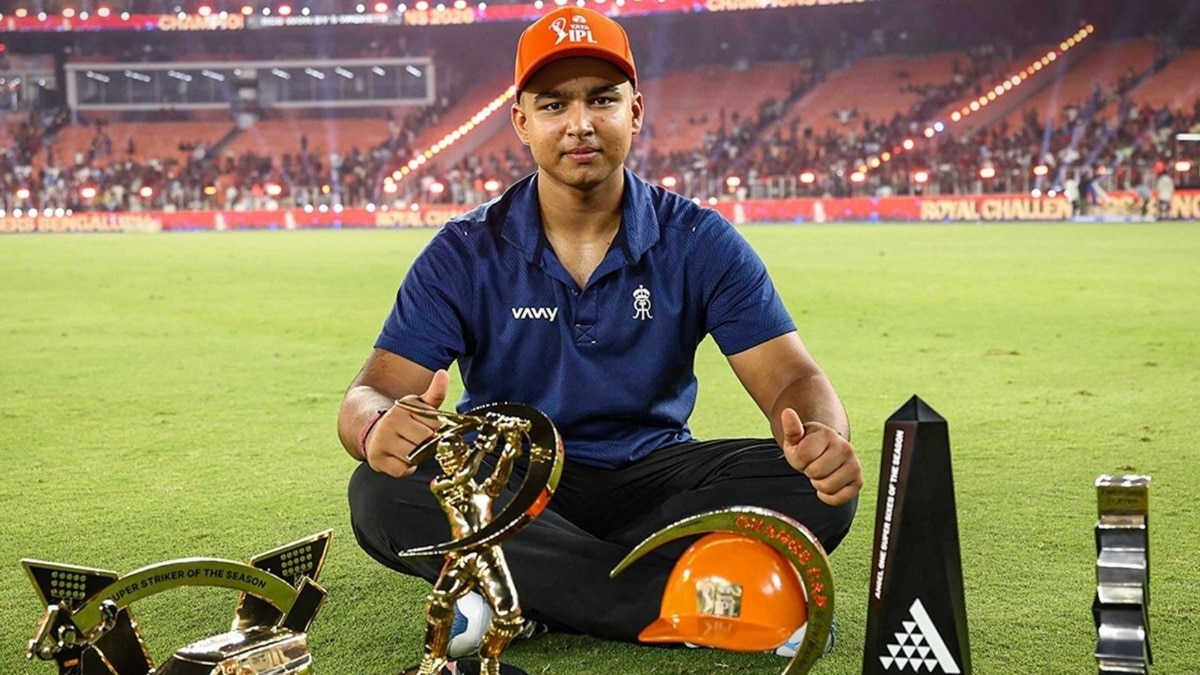
Teen cricket sensation Vaibhav Sooryavanshi has reportedly built a net worth of around ₹7 crore at just 15 years of age through IPL contracts, tournament winnings, sponsorships and endorsement deals. His remarkable rise has also brought attention to an important financial question: how does the Income Tax Department treat earnings made by minors?
Under Indian tax laws, a person below the age of 18 is considered a minor. While minors can earn income from various sources, the taxation rules are different from those applicable to adults. In most cases, a minor's income is not taxed separately but is added to the income of a parent under the "clubbing of income" provisions.
Clubbing of income rule
According to Section 64(1A) of the Income Tax Act, any income that accrues to or is received by a minor child is generally added to the income of the parent and taxed as if it were the parent's own income.
Minors often earn income through:
Savings bank accountsFixed depositsInvestments made in their name by parents or guardiansGifts and other financial assets generating returns
The purpose of the clubbing provision is to prevent taxpayers from reducing their tax liability by transferring income-generating assets to their children.
MUST READ: Pension vs family pension: What retirees and taxpayers should know before filing ITR for AY 2026-27
Exemption available
The law provides a limited relief under Section 10(32).
If a minor's income is less than ₹1,500 per year, it is effectively exempt from tax. For income that is clubbed with a parent's earnings, the parent can claim an exemption of ₹1,500 for each minor child.
Where the minor's income exceeds ₹1,500 annually, only ₹1,500 can be claimed as an exemption, while the remaining income is taxed in the hands of the parent.
How clubbing rules apply
> Both parents are earning
If both mother and father have taxable income, the minor's income is added to the income of the parent whose income is higher.
> Parents are divorced
In cases of divorce, the minor's income is clubbed with the income of the parent who has custody of the child.
> Both parents are deceased
If both parents are no longer alive, the minor's income is not clubbed with the guardian's income. Instead, a separate income tax return is filed on behalf of the minor through a guardian acting as a representative assessee.
MUST READ: Is Vijay Kedia right about ending LTCG tax on equity investors?
Important exceptions
While most passive income of minors is clubbed with parental income, there are significant exceptions.
Talent, skill or specialised knowledge
When a child earns income through personal effort, talent, expertise, specialized knowledge or manual work, the income is taxable in the minor's own hands and is not clubbed with the parent's income.
Examples include:
Professional sports earningsActing and modelling assignmentsSinging and performing artsContent creation and social media influencingBrand endorsements and sponsorshipsTelevision reality shows and competitions
For instance, a winner of MasterChef Junior, a child actor, a young cricketer or a social media creator earning through their own abilities would generally be required to file a separate income tax return.
Tax experts note that such income arises from the minor's personal skills and efforts rather than from assets transferred by parents, making it eligible for separate taxation.
MUST READ: Should you choose tax-saving FDs to save tax or are regular FDs enough? Here’s how to decide
Income of a disabled minor
Another major exception applies to children covered under Section 80U of the Income Tax Act.
The income of a minor suffering from a specified disability is not clubbed with the income of the parent. Instead, it is taxed separately.
A person is considered differently abled if they have more than 40% disability, including:
BlindnessLow visionHearing impairmentLocomotor disabilityMental illness
Why Vaibhav Sooryavanshi's income will be taxed differently
Vaibhav Sooryavanshi's earnings arise from his cricketing skills, tournament performances, IPL contracts and endorsement agreements. Since the income is generated through his personal talent and professional efforts, it falls under the exception to the clubbing provisions.
As a result, despite being only 15 years old, his income is taxable in his own hands and not added to the income of his parents. The same treatment applies to other talented minors who earn through sports, entertainment, content creation or other skill-based activities.
MUST READ: Can salary, FD or capital gains mismatches in AIS trigger tax notices?