Woman, 53, claims she lost 3 stone in four months after swapping fat jabs for daily 30p supplement
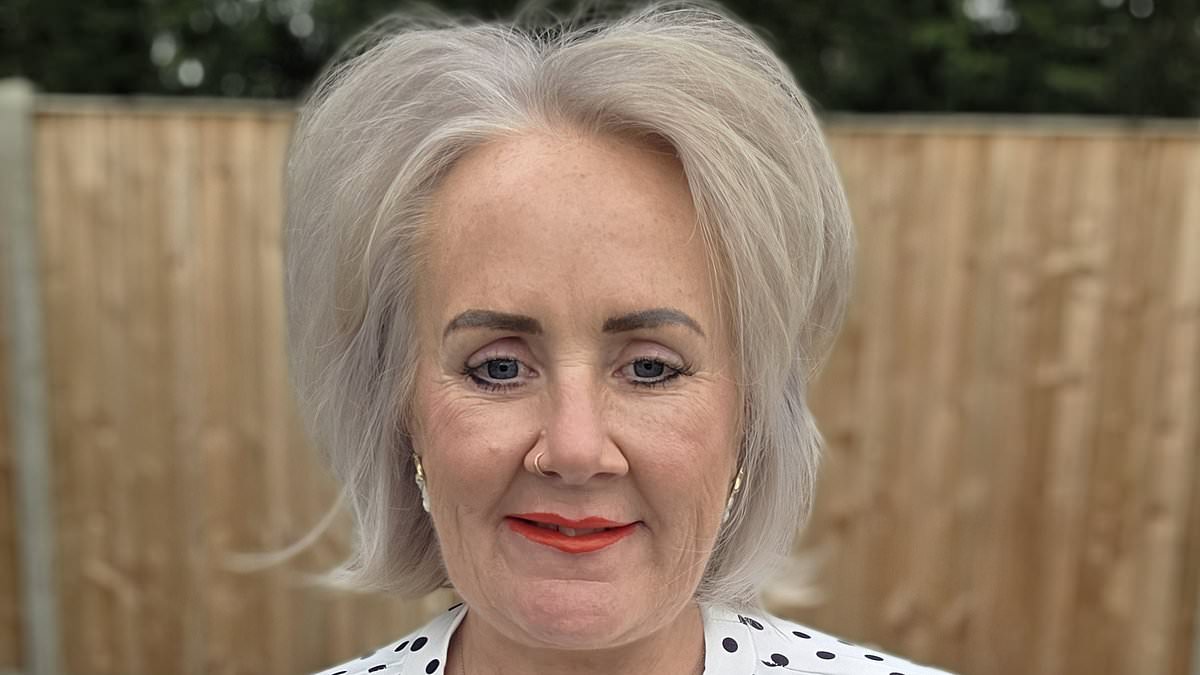
It wasn't a lack of weight loss that caused Vicki McFarlane to ditch Mounjaro - rather the relentless nausea, unbearable headaches and 'eggy burps' which she believes were caused by the jab.So 'unbearable' were those symptoms that, despite shedding two stone in as many months after starting the appetite-suppressing jab in January 2025, she decided to stop using it.It was a tough decision for the mother-of-one, from Pickering, Yorkshire, who had finally begun to shed the pounds after struggling to lose weight for her whole life - often she says as a result of reaching for cakes and biscuits at night.And with menopause slowing her metabolism, it became even tougher.Determined to continue her progress, however, the travel agent continued searching for alternative methods when she came across an advert for berberine, a plant compound used in traditional Chinese medicine that has been dubbed 'nature's Ozempic'.Studies have shown some promise in modest weight loss when using berberine - which is not a licensed medicine in the UK, though is sold as a supplement online and in retailers like Boots and Holland & Barrett - but experts have urged caution.After researching berberine, Ms McFarlane decided to order a pack of slow-release patches - which deliver the compound into the bloodstream - last June for just £8.99, or around 30p a day. The main benefit of berberine is thought to be that it triggers the release of AMP-activated protein kinase, an enzyme that lowers high blood sugar levels and instructs the cells to burn stored fat for energy. Vicki McFarlane ditched Mounjaro after relentless nausea, unbearable headaches and 'eggy burps' which she believes were caused by the jab Ms McFarlane has since lost weight after taking berberine, a supplement which costs her around 30p a dayThis is a different process to weight-loss jabs like Mounjaro - officially named GLP-1 receptor agonists - which mimic a hormone the gut normally produces that helps control blood sugar and appetite after eating.The drug signals the pancreas to release insulin when blood sugar rises and slows how quickly food leaves the stomach, which helps people feel full sooner. But for Ms McFarlane, the side effects of Mounjaro outweighed the good. She said: 'I had been trying to lose another three or four stone forever - I was always on some diet or other.'I lost weight on Mounjaro, but I felt so ill the whole time. Then I read about berberine online - and I noticed the impact within a couple of days.'Despite her initial scepticism, the results for Ms McFarlane have been impressive.From June to mid-October last year, she dropped from 17st 9lbs to 14st 2lbs - results she believes were as a result of no longer having a sweet tooth.'I noticed the impact within a couple of days,' she says. 'I always ate relatively healthy but it was all the cakes, chocolates, crisps and biscuits that I wanted in the evening.'Now, I don't eat in the evening at all - maybe a yoghurt or something. But you can keep your cakes now!'Ms McFarlane says the results have also left her friends stunned, with many of them asking for the secret to her success.Still, experts remain cautious.Last week the Daily Mail asked Duane Mellor, a dietitian and an honorary associate professor at the University of Leicester, for his views on berberine's reputation as a 'natural GLP-1'.He said: 'While laboratory and animal studies show some promise, human clinical evidence is still limited.'Mellor highlighted that reviews of existing trials show 'modest results', including one in the Journal of Clinical Nutrition in 2022 which saw people lose 1-4kg (2-9lb) over eight to 12 weeks when taking 900-1,500mg of berberine per day. Studies have shown some promise in weight loss when using berberine but experts have urged cautionHe added: 'US experts including Harvard Medical School have noted that it's not as effective as medications such as Ozempic – and should be compared more to metformin (a type 2 diabetes drug), so could help people control blood sugar spikes and food cravings. 'Although again it is nowhere near as effective as this prescription medication.'Mellor did warn, however, that berberine can 'cause gut issues such as stomach cramps and diarrhoea'.He added that the supplement may interfere with the way the body processes certain medications, including blood thinners and statins, potentially increasing the risk of harmful side effects.Mellor continued: 'So if you're taking medication or have other health conditions, discuss taking berberine with a health professional before you start.'For Ms McFarlane, one of berberine's biggest advantages is the absence of the side effects she experienced while taking Mounjaro, which cost her £180-a-month through an online provider. She said: 'People say it could never compare to Mounjaro, but they're unreal considering how expensive that is.'And, it made me very sick. This has done for me exactly what Mounjaro did, but without the sickness.'My 27-year-old son has literally never seen me this slim before.'Ms McFarlane even stopped taking the drug at Christmas time where, like millions of Britons, she put on some weight after indulging in the festivities.But after returning to berberine three weeks ago, she has already dropped 10lbs.Ms McFarlane added: 'It's been life-changing for me. I feel like I've gained years of life.'I've got so much more energy and I feel so much healthier. But I've got a cupboard full of crisps I no longer want!' What is berberine? Found in plants such as goldenseal and barberry, berberine is a compound largely used in traditional Chinese medicine.It is available as a supplement - in capsule or tablet form - in the UK and is not a licensed medicine.Research has found it can be moderately effective for weight-loss in the past, as it is thought to trigger the release of AMP-activated protein kinase, an enzyme that lowers high blood sugar levels and instructs the cells to burn stored fat for energy.But it is not included in National Institute for Health and Care Excellence (NICE) guidelines and should not be used in clinical care.It comes with potential side effects such as diarrhoea, stomach cramps, constipation, nausea, vomiting, flatulence and bloating. Experts at Bolt Pharmacy say: 'It is important to note that berberine is classified as a food supplement rather than a licensed medicine in the UK, which means it is not subject to the same rigorous regulatory approval process as pharmaceutical drugs. 'Unlike some herbal products that may have Traditional Herbal Registration (THR), isolated berberine products are regulated under UK food law.'Consequently, the quality, purity, and concentration of berberine products can vary between manufacturers, and health claims must be carefully evaluated. Always follow product label instructions and consult a healthcare professional before use.'