Hormuz fallout raises fears of global inflation surge
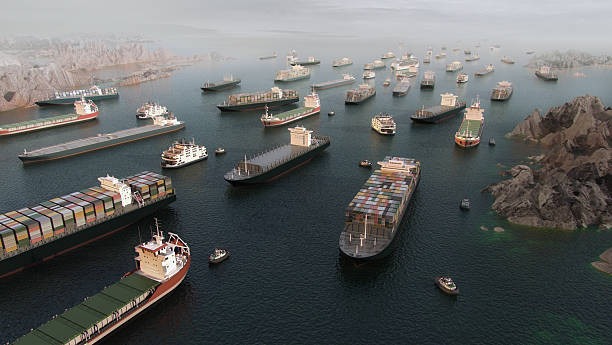
Capital Cities, May.25 (SANA) The ongoing repercussions of the US-Israeli–Iranian war and heightened tensions around the Strait of Hormuz have evolved from a temporary energy disruption into a significant driver influencing major central banks, from Washington and Tokyo to Europe and the United Kingdom. Growing concerns suggest that the oil shock could trigger a new global inflation cycle, potentially forcing renewed interest rate hikes worldwide.
Global markets are entering a cautious phase this week ahead of key inflation data, consumer confidence reports, and monetary policy decisions. Economists warn that rising energy prices could spill over into broader pressures on growth, employment, and consumption, forcing central banks to balance inflation control against recession risks.
According to the Financial Times, investors are closely watching the US personal consumption expenditures (PCE) index, the Federal Reserve’s preferred inflation gauge, with core inflation expected to reach 3.4%, its highest level since mid-2023. This has strengthened expectations that the Fed may delay rate cuts or even consider future hikes if price pressures persist.
The Wall Street Journal reported a shift in the Federal Reserve’s internal debate, moving from discussions of rate cuts to assessing conditions that could justify tightening again, driven by the energy shock linked to disrupted shipping through Hormuz and rising oil and transport costs.
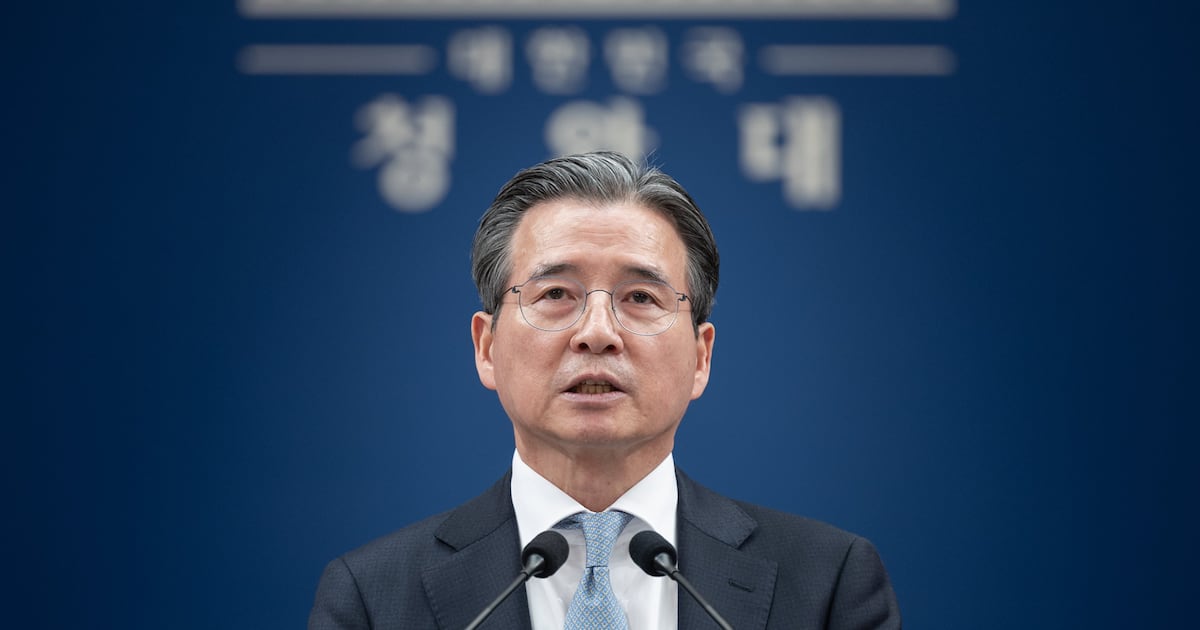
In Europe, attention is focused on German inflation data and European Central Bank meetings. Analysts suggest that sustained oil pressures could push the ECB toward raising interest rates in the coming months. Bloomberg quoted ECB Governing Council member and Bank of Greece Governor Yannis Stournaras warning that a prolonged Hormuz closure could trigger “secondary inflation effects” through wages and prices, potentially forcing tighter monetary policy.
Reuters expects German inflation to remain near 2.9%, warning that any rise above 3% would intensify pressure on the ECB despite Germany’s prolonged economic weakness.
In the United Kingdom, expectations for interest rate cuts have weakened as fuel and energy prices continue to rise. The Bank of England has warned that oil prices above $120 per barrel could push inflation toward 6%.
Japan, heavily dependent on energy imports, is among the most vulnerable economies, with consumer confidence already falling under energy cost pressures.
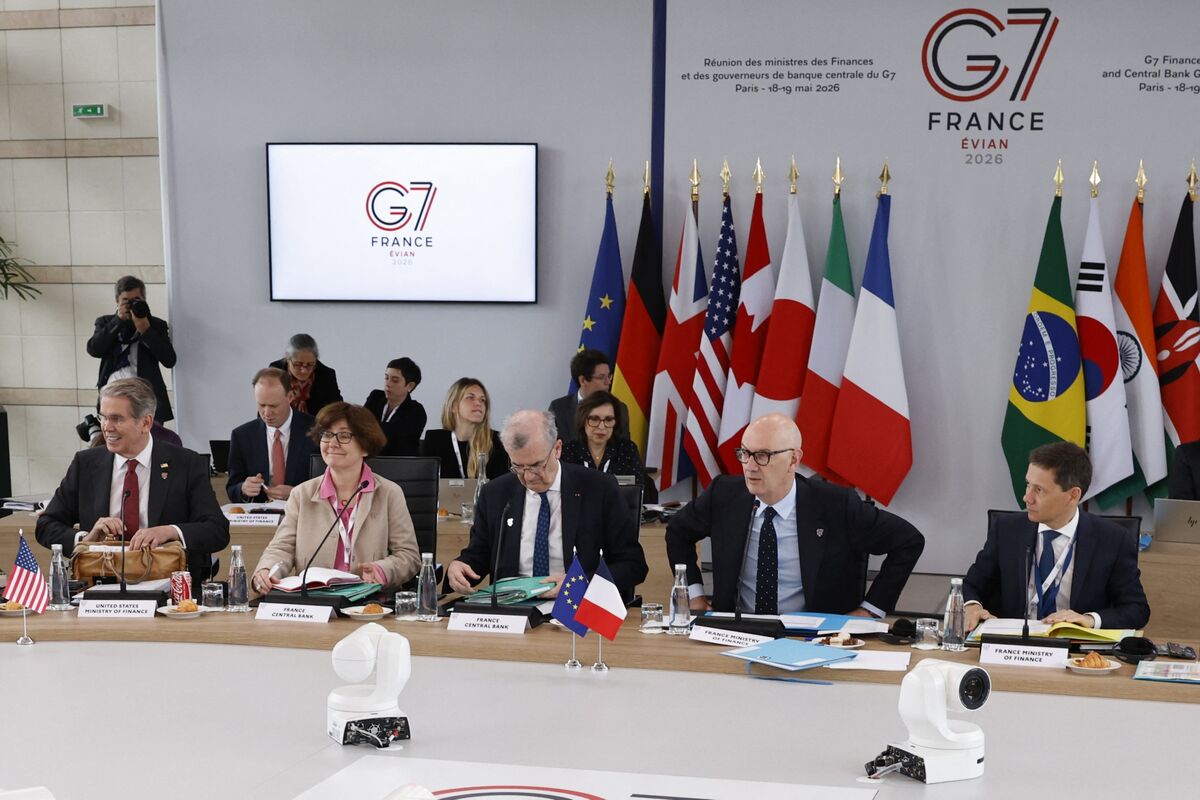
While Australia, Canada, and Switzerland adopt different policy approaches, they share concerns about a prolonged inflation shock. Analysts have described the situation as a “Hormuz squeeze,” placing seven of the world’s largest central banks in a difficult dilemma: supporting growth or containing inflation.
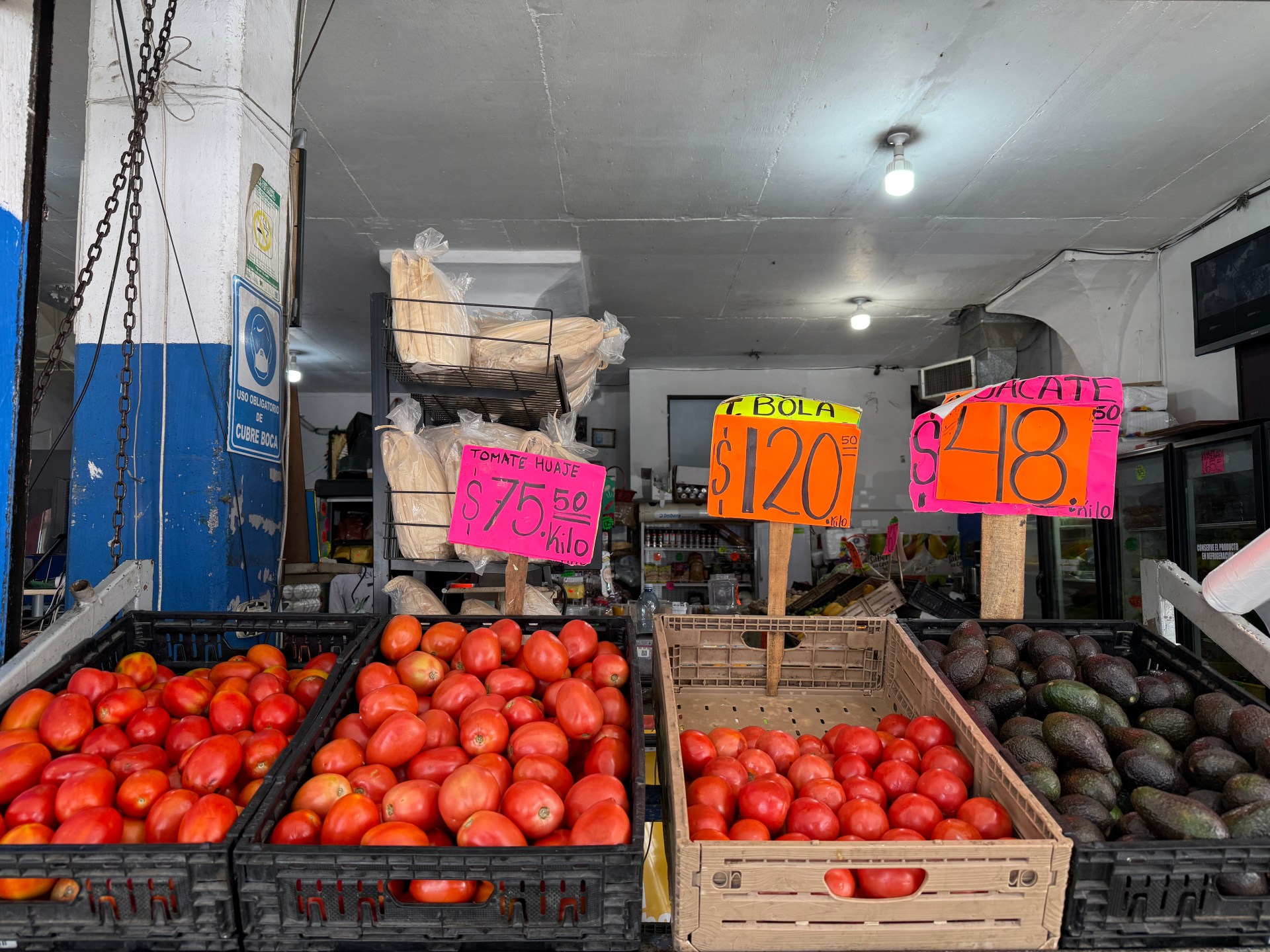
International financial institutions estimate that a 50–60% rise in oil prices since the beginning of the year could add up to one percentage point to global inflation, partially reversing recent gains made by central banks in stabilizing prices.
Despite speculation about a potential US-Iran agreement that could reopen the strait, analysts believe any market relief would likely be limited, as energy prices are unlikely to quickly return to pre-crisis levels. Interest rate cut expectations have already been delayed across major economies, while experts note that markets are now more resilient to oil shocks than in previous decades, supported by higher production capacity, strategic reserves, and faster government interventions.
A/Dh