From Delhi Gymkhana to Royal Bombay Yacht Club: Where power & legacy rules entry corridors
In an era dominated by luxury lounges, curated networking communities and invite-only spaces, India’s old-world elite clubs continue to command a rare kind of prestige. Their appeal is not built purely on wealth, but on legacy, influence, social standing and, often, extraordinary patience.
From Delhi’s colonial-era institutions to Mumbai’s sea-facing heritage clubs, some of the country’s most exclusive memberships remain notoriously difficult to secure. In several cases, applicants spend decades on waiting lists, while memberships are quietly passed down across generations like family heirlooms.
MUST READ | Eviction notice: Why the Centre wants Delhi Gymkhana Club’s prime land back after 113 years
These clubs have become symbols of status in a rapidly changing India — spaces where history, privilege and power still intersect behind closed doors.
Delhi Gymkhana Club: Ultimate power address
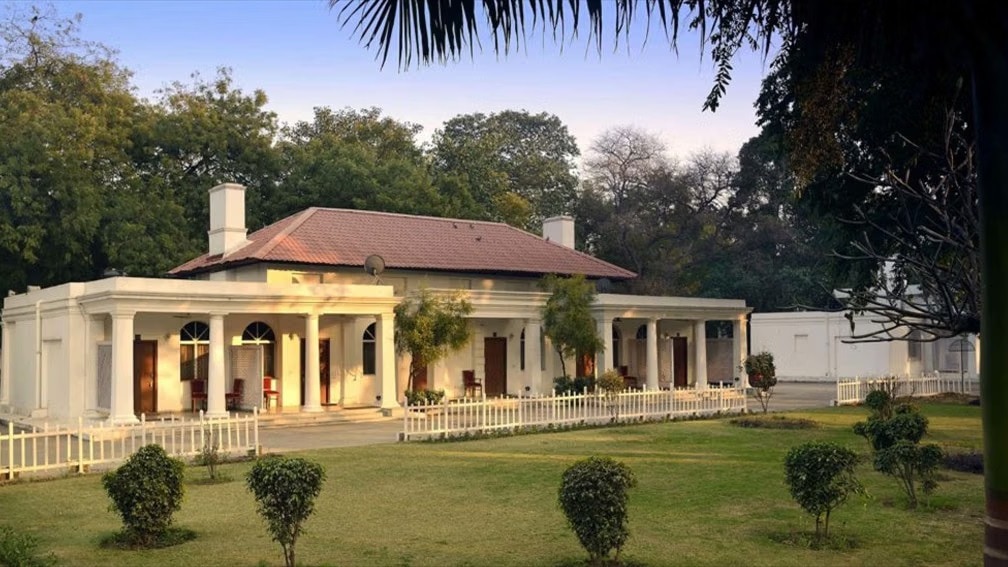
Among India’s elite institutions, the Delhi Gymkhana Club remains perhaps the most iconic. Originally established in 1913 during the British Raj as the Imperial Delhi Gymkhana Club, it has evolved into one of the capital’s most influential social hubs.
Spread across sprawling greens in the heart of Lutyens’ Delhi, the club has long been associated with bureaucrats, diplomats, senior military officials, politicians and corporate leaders. Membership is often viewed as an informal entry into Delhi’s power circles.
DON'T MISS | Delhi Gymkhana Club: Inside the 113-year-old exclusive social address in Lutyens Delhi
What adds to the mystique is the near-impossible admission process. Over the years, reports have frequently pointed to waiting periods stretching beyond 20 to 30 years, with thousands of applicants in queue at any given time.
For many aspirants, getting membership is considered less a financial transaction and more a matter of social access, pedigree and long-standing connections.
Mumbai’s heritage clubs carry colonial prestige
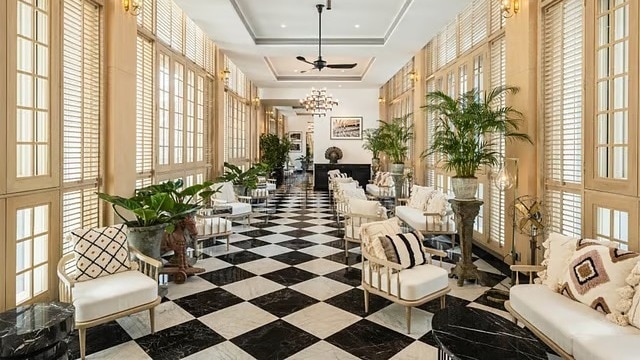
Mumbai’s elite clubs carry a similar aura of exclusivity. The Royal Bombay Yacht Club, established in 1846 near the Gateway of India, remains one of the country’s oldest and most prestigious institutions.
Known for its Victorian architecture, maritime history and highly selective membership process, the club once catered exclusively to Europeans during the colonial era before gradually opening its doors to Indian members after Independence.
IN CASE YOU MISSED IT | Restless royalty, imperial roots: Here's some interesting facts about Delhi Gymkhana Club
The Bombay Gymkhana, another landmark institution, continues to retain its elite standing decades after it became one of the most influential sporting and social clubs in the country. Similar prestige surrounds institutions like the Bangalore Club and Kolkata’s Tollygunge Club, each carrying a distinct colonial legacy blended with modern elite culture.
More than luxury: Centre of power networks
While these institutions are often associated with fine dining, golf courses, tennis courts and heritage architecture, their significance goes far beyond recreation.
For decades, elite clubs in India have quietly functioned as influential networking ecosystems where bureaucrats, industrialists, lawyers, diplomats and politicians interact away from public scrutiny. Important business relationships, political conversations and social alliances have historically taken shape within these spaces.
In many circles, club membership is viewed as a marker of social legitimacy — an indication that an individual belongs to an influential inner network.
The aura surrounding these institutions has also attracted increasing criticism in recent years. Questions over transparency, exclusivity and governance have intensified as India becomes more socially and economically aspirational.
Delhi Gymkhana Club, in particular, has faced legal and administrative scrutiny over allegations related to membership procedures and financial management. The intervention of regulatory authorities in the club’s administration sparked wider debates over whether such elite legacy institutions should continue operating with limited transparency.
Why the fascination exists
Critics argue that many of these clubs still reflect remnants of colonial-era privilege, while supporters maintain that their exclusivity is precisely what preserves their heritage and identity.
Despite the rise of modern luxury clubs and premium lifestyle communities, India’s traditional elite institutions continue to hold unmatched cultural cachet.
Part of the fascination lies in their secrecy and scarcity. In a time when exclusivity can often be purchased, these clubs represent something harder to access — legacy-driven social acceptance.
For many, the appeal is not merely about amenities or status symbols. It is about entering spaces that have historically shaped influence, power and elite identity in the country for more than a century.