Tories warn the chaos around Starmer is ‘damaging the economy’
Britain’s fragile economic recovery is being overshadowed by Labour’s deepening civil war as ministers, business leaders and markets grow increasingly alarmed over the political chaos engulfing Keir Starmer’s Government.
Fresh figures from the Office for National Statistics showed the economy grew by 0.6 per cent in the first three months of the year, with GDP rising by 0.3 per cent in March alone despite growing tensions in the Middle East and the ongoing conflict involving Iran.
The stronger-than-expected performance offered a rare piece of good news for a government battling collapsing poll ratings, market jitters and mounting speculation about leadership.
But hopes of economic stability were quickly overshadowed by fears that Labour’s increasingly vicious internal warfare could itself become a major threat to Britain’s financial credibility.
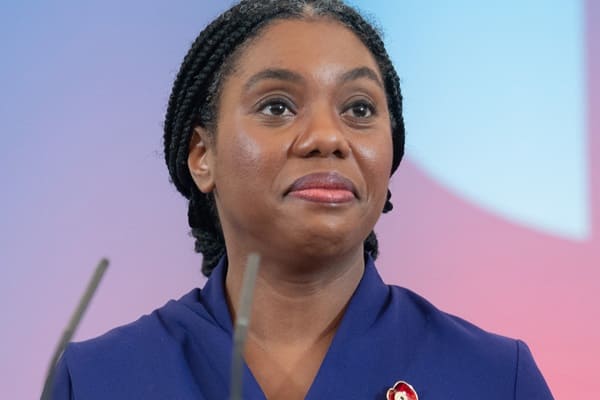
Shadow Chancellor Mel Stride accused Labour rivals of positioning themselves against Keir Starmer of destabilising the economy through reckless promises and political infighting.
“This week, borrowing costs hit their highest level in thirty years as Labour leadership contenders competed to promise even more spending, borrowing and fantasy economics,” he said.
“Only the Conservatives have a serious plan to Get Britain Working Again and to fix the public finances through our Golden Economic Rule.”
His intervention came after yields on 10-year gilts climbed to their highest level since the 2008 financial crisis earlier this week, while 30-year gilt yields surged to their highest level since 1998.
Rising gilt yields increase the cost of government borrowing and are closely watched by markets as a measure of confidence in Britain’s fiscal stability.
The turmoil within Labour has intensified dramatically following disastrous local election results, triggering open speculation about Keir Starmer’s future.
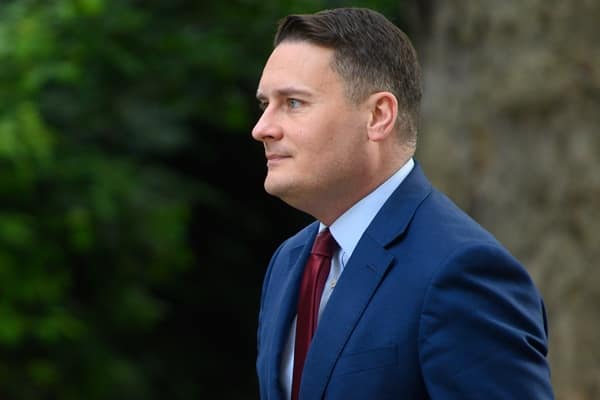
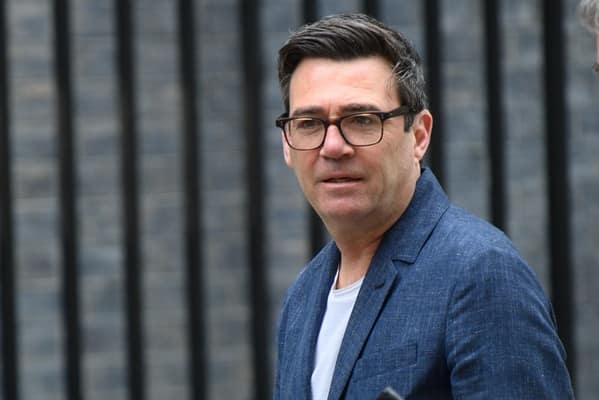
Former Health Secretary Wes Streeting has emerged as one of several figures linked to possible leadership manoeuvres, while names including Angela Rayner, Andy Burnham and Ed Miliband continue circulating heavily in Westminster speculation.
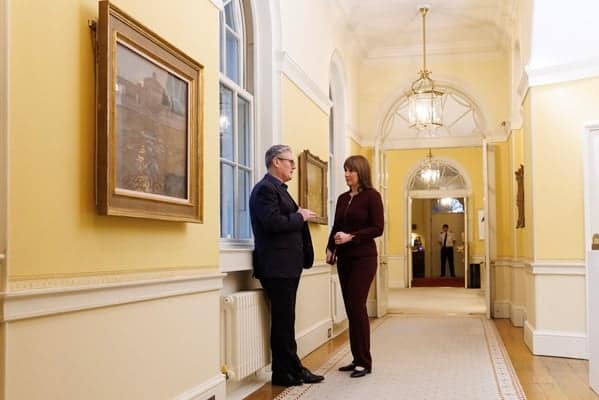
Chancellor Rachel Reeves issued an unusually blunt warning to Labour rebels, insisting now was not the moment to plunge the country into further instability.
“Now is not the time to put our economic stability at risk,” she said.
“To do so would leave families and businesses worse off.
“Instead, this Government is getting on with the job of building an economy that is stronger, more resilient, and prepared for the future.”
Behind the headline growth figures, however, business leaders warned the economy remains extremely vulnerable.
Employers are increasingly anxious that the full economic impact of the Iran conflict has yet to filter through into global energy prices, supply chains and consumer confidence.
The conflict has already rattled oil markets and intensified concerns surrounding shipping through the Strait of Hormuz, a vital artery for global energy supplies.
Business groups also warned that domestic pressures are continuing to squeeze firms already struggling with rising costs.
Stuart Morrison, research manager at the British Chambers of Commerce, said many companies remained deeply concerned about mounting economic pressures.
“Firms are concerned the full impact of the Iran conflict will start to show in the coming months,” he said.
“Businesses are facing huge cost pressures.
“Our latest survey shows 73 per cent citing labour costs and 52 per cent citing energy costs as price drivers, even before the escalation in the Middle East.”
He also pointed directly to the growing political uncertainty surrounding Labour’s leadership crisis.
“Business confidence remains low, and firms are struggling to invest,” Mr Morrison said.
“Political uncertainty only adds to business concerns.”
The comments underline growing fears within Westminster and the City that Britain risks drifting into a dangerous combination of weak confidence, rising borrowing costs, and political paralysis at precisely the moment when global instability is intensifying.
While the latest GDP figures suggest the economy has so far shown resilience despite geopolitical shocks, many economists caution that the stronger growth partly reflects momentum built before the recent escalation in the Middle East and before financial markets began reacting to Labour’s internal turmoil.
The Government now faces the increasingly difficult challenge of convincing both voters and markets that it remains politically stable enough to navigate a deteriorating global economic environment.
For Keir Starmer, the danger is that even positive economic data may no longer be enough to steady a premiership increasingly defined by crisis management, leadership plotting and growing doubts over whether Labour can maintain authority at all.