Brother of Nottingham triple killer did not think sibling's messages about 'red rum' were about murder, inquiry hears
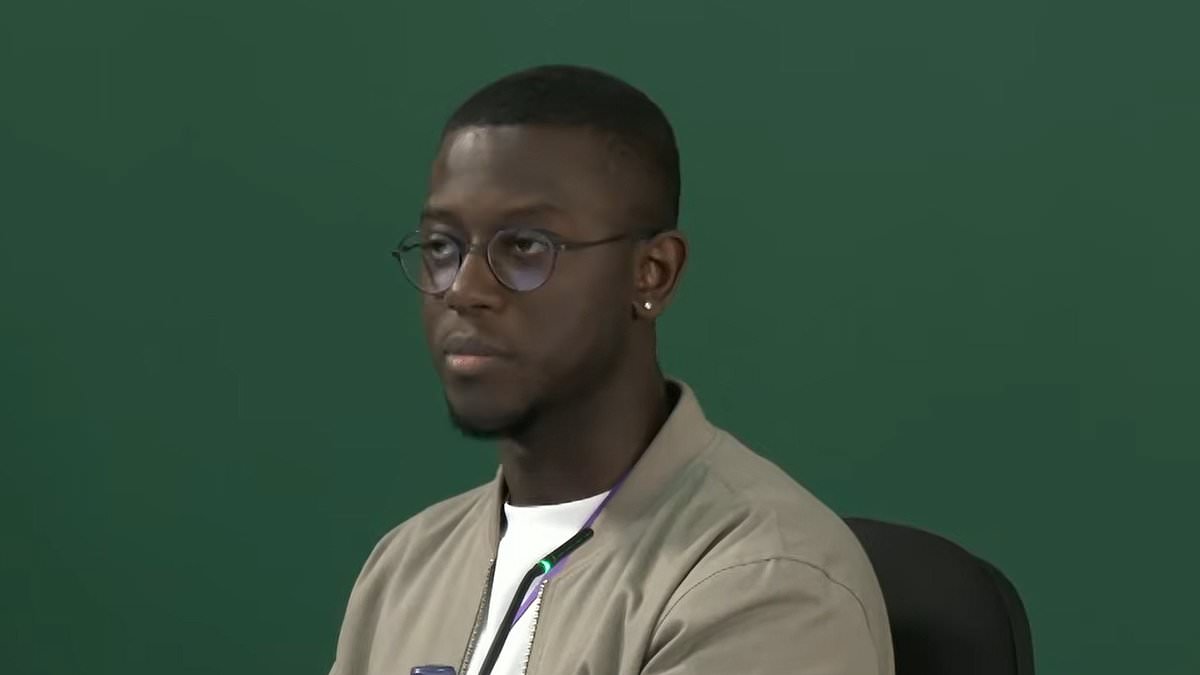
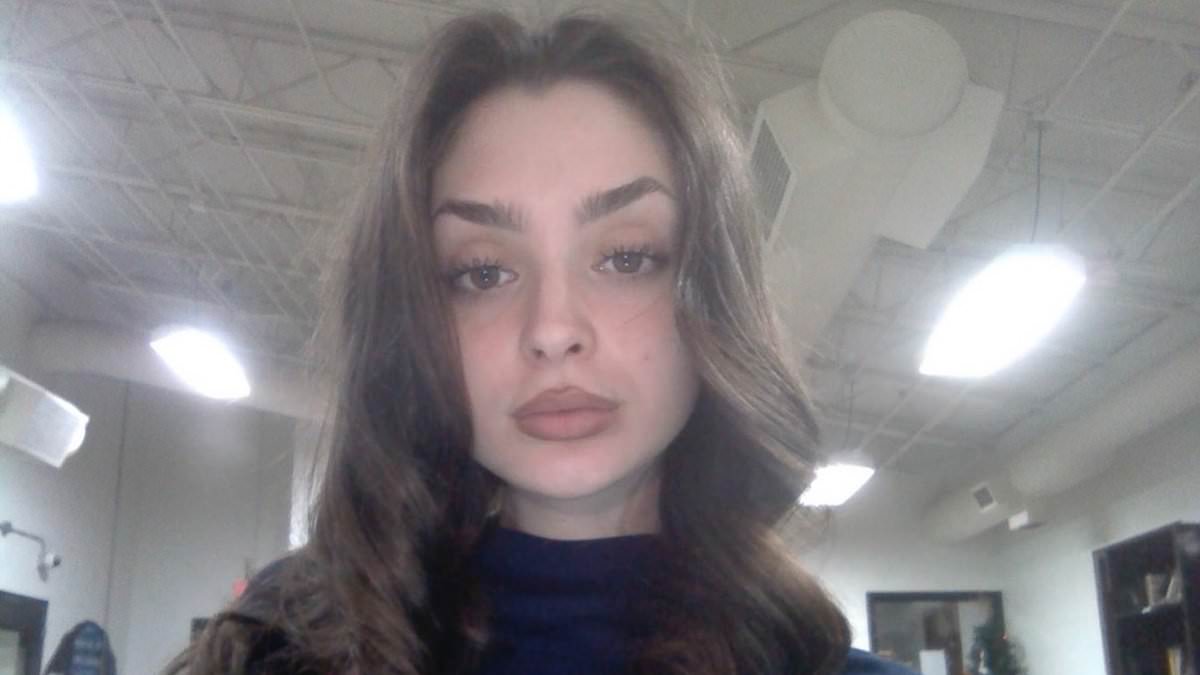
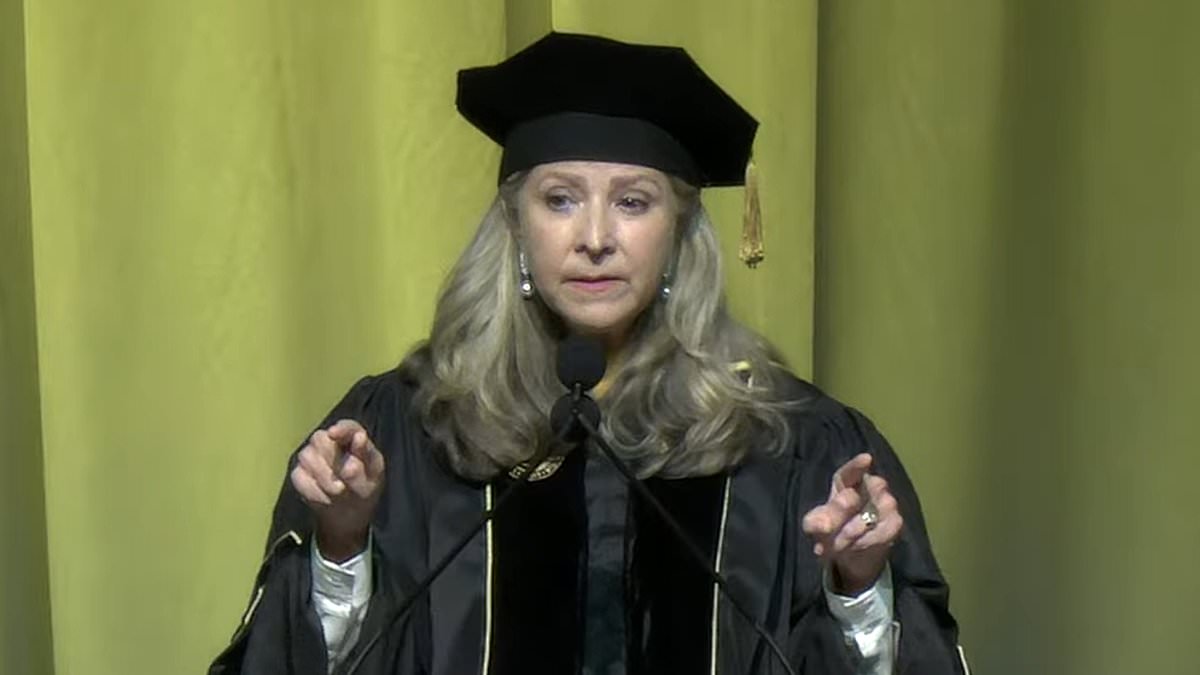
The brother of the Nottingham triple killer said he did not think his sibling's messages about 'red rum' were about murder, a public inquiry had heard. Elias Calocane's brother, paranoid schizophrenic Valdo Calocane, stabbed to death undergraduates Barnaby Webber and Grace O'Malley-Kumar, both 19, and caretaker Ian Coates, 65, before trying to murder three pedestrians with a van.Speaking at the public inquiry today, which is examining events leading up to the killings in June 2023, Elias was quizzed about a series of text messages sent by his brother in 2020.In a number of messages to Elias, Calocane spoke about 'red rum' which is murder spelt backwards. In one text, Calocane told his brother he was 'thinking about red rum not 120 minutes ago'.Elias described his brother as 'calm and peaceful' and said he had never previously been violent to anyone. Asked by Rachel Langdale KC, counsel to the inquiry, what he thought of Calocane's 'red rum' message Elias said: 'I'm not sure at the time what I thought exactly.'The whole conversation is about praying or asking something to take that away and coming into a new sense of peace that you can't quite explain. Elias Calocane (pictured) was quizzed at the public inquiry today, which is examining events leading up to the killings carried about by his brother Valdo Calocane in June 2023, about a series of text messages sent by his brother in 2020 Pictured: Valdo Calocane who stabbed three people to death in Nottingham in June 2023 before trying to murder three pedestrians with a van'I thought he was saying something of the same sort of vein.'I definitely didn't associate it with murder.' Elias said his brother used a 'religious context of asking God or praying' for his pain to be taken away. On another occasion, Elias told the inquiry he thought an 'I love you' message sent from his brother in January of that year was a 'goodbye message'.Calocane, who believed he was being monitored, sent further messages saying 'that previous night I felt immense anguish, paranoia, anger, hatred' and that he had the 'darkest thoughts'.Another message said he 'wanted to hurt… permanently…', the inquiry heard.Elias said: 'I thought he was talking about how he wanted to kill himself the night before.'Ms Langdale asked: 'He didn't say hurt himself, did he? He just says hurt permanently.' Pictured from left to right Calocane's three victims: Ian Coates, 65, Barnaby Webber and Grace O'Malley-Kumar, both 19Elias Calocane replied: 'If you take the messages around it, there's no other subject other than Valdo, right?'He's talking about the situation, the monitoring thing, feeling immense anguish and talking about it being overwhelming.'He added: 'I guess maybe it's difficult for people to read these (text messages) now without the context of what happened on the 13th of June and I completely understand that.'At this point, Valdo had never been violent at all to anyone. He was a very calm and peaceful person as far as I can remember.'Calocane told his brother he had an encounter with the holy spirit and was 'saved', the inquiry heard.The inquiry heard that another text from Calocane said: 'I know I can break their heads with my hands.'Asked about this, Elias said his brother 'thought he was being watched by strangers' and he believes Calocane did not like that he was 'in such a vulnerable position in front of people that he thought were sort of out to get him'.Calocane also told his brother: 'Either something extraordinary is happening or I'm losing my mind.'Asked if he was worried his brother was losing his mind, Elias said: 'I'm not sure how I took that message on its own, except the fact I wanted him to explain more.'Obviously I'm worried, I'm trying to figure out what's happening.'The inquiry heard that Calocane 'flipped out' when his mother Celeste called him without warning in March 2020, before telling her never to do it again.Asked if Calocane was argumentative growing up, his brother said he would 'prefer to sort of like withdraw a little bit', which he added was 'significant in hindsight'.The inquiry heard that Elias tried to convince his brother that technology could not see the things he was looking at.He said: 'I was trying to sort of come at it with what I felt was a logical perspective of trying to convince him that these things were unlikely to even exist or if they existed, that it would be quite advanced technology that would be reserved for sort of national security agencies and stuff like that.'So you begin rationally trying to tell him that can't be the case.'The inquiry heard Elias did not find out about his brother's diagnosis of paranoid schizophrenia until October 9 2023, months after the killings.He had been diagnosed in 2020.Elias said: 'There was a sense of relief of finally knowing what it is we've been dealing with all this time. That was when I first learned about it.'He said he was not aware in 2020 that a doctor had told Calocane he could end up killing someone.The witness told the public inquiry: 'I think we only found that out when we got the medical notes.'Asked why he had thought his brother would take his own life, Elias said that by July 2021 he 'felt convinced that this couldn't end well'.'I guess I've always had that in the back of my mind. I couldn't see this ending well at all. I was convinced he was going to take his life.'He added that there was a sense of 'hopelessness' and he felt 'powerless'.The inquiry continues.