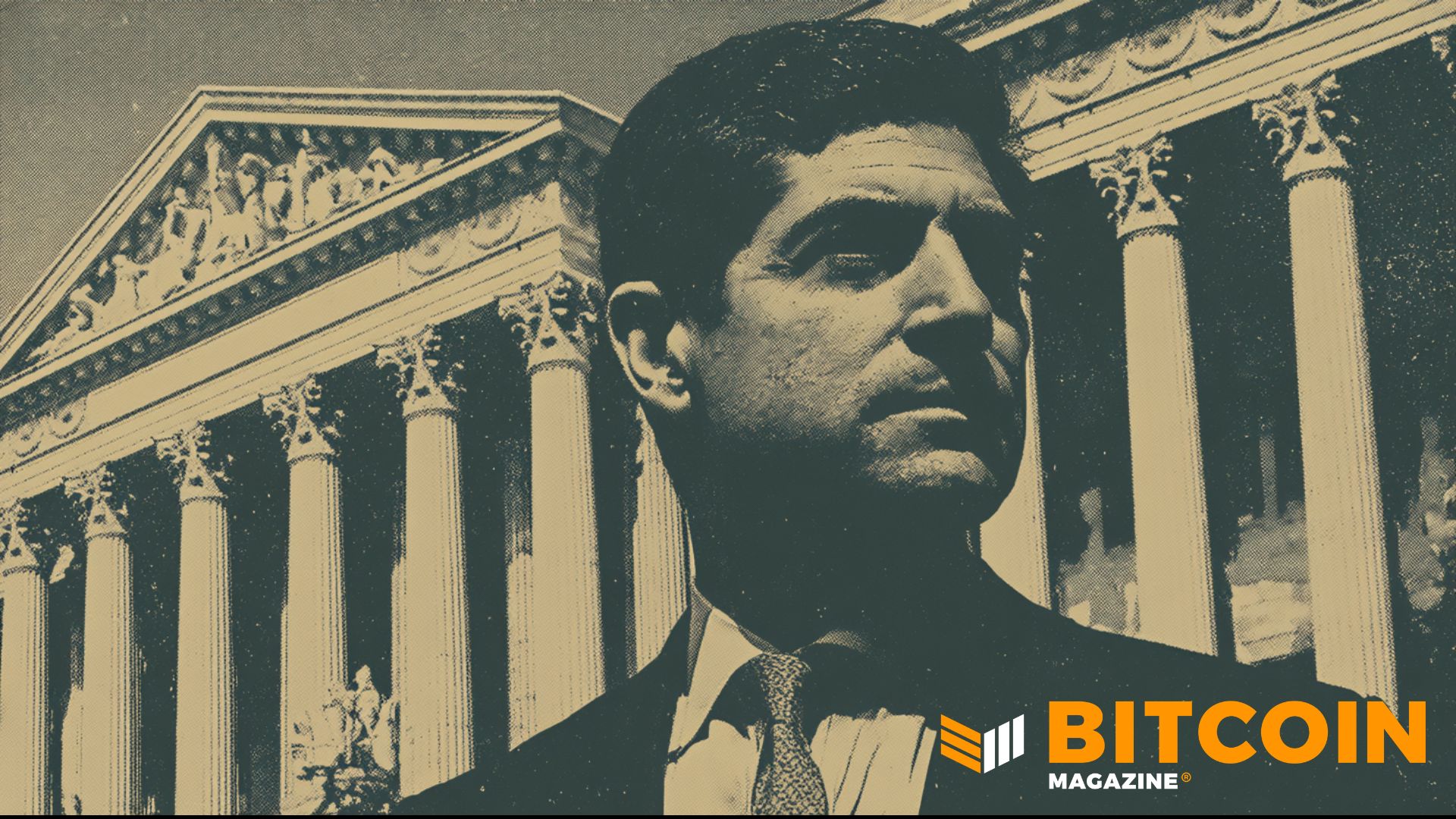
Senate Confirms Bitcoin Friendly Kevin Warsh As Fed Chair Ahead of Clarity Act Vote
The Senate on Wednesday confirmed Kevin Warsh as the next chair of the Federal Reserve in the most divisive confirmation vote in the central bank’s modern history, handing President Donald Trump a landmark win just as fresh inflation data clouds the path to the interest rate cuts he has loudly demanded.
The chamber voted 54–45 to confirm Warsh, 56, making him the 11th Fed chair of the modern banking era and the wealthiest person ever to hold the position. The vote was nearly entirely along party lines, with only Pennsylvania Democratic Senator John Fetterman crossing over in support.
Warsh takes over from Jerome Powell, whose four-year term as chair expires Friday — though Powell is not departing the Fed entirely, as he retains his seat as a board governor through 2028.
Warsh is no stranger to the Fed’s marble corridors. He previously served on the Board of Governors from 2006 to 2011, becoming the youngest member in the institution’s history at age 35.
His return comes at a far more turbulent moment: the Fed is grappling with persistent inflation above its 2% target, economic fallout from the war in Iran, and a looming Supreme Court fight over the fate of Governor Lisa Cook.
Trump has made no secret of his expectations. The president repeatedly clashed with Powell over what he viewed as overly restrictive monetary policy, and Warsh was selected from a field of nearly a dozen candidates — including current governors Christopher Waller and Michelle Bowman — with rate relief firmly in mind.
Yet this week’s data has complicated the picture, with pipeline price pressures accelerating at their highest pace in more than three years, causing markets to scale back rate-cut bets and even price in a chance of an increase later this year. Warsh’s first FOMC meeting as chair is scheduled for June 16–17.
For the Bitcoin community, Warsh’s confirmation carries singular weight. He is the first incoming Fed chair to have held direct exposure to digital assets, including an equity stake in Flashnet, a Bitcoin payments startup, as well as ties to crypto index manager Bitwise and stablecoin project Basis.
He has publicly described Bitcoin as “an important asset” and “a very good policeman for policy,” arguing its price reflects real-world confidence in the Fed’s inflation management. “Bitcoin doesn’t trouble me,” Warsh said at a Hoover Institution event last year, framing it as a signal of monetary credibility rather than a threat to the dollar.
Lawmakers are set to vote tomorrow on the Clarity Act, a closely watched piece of legislation that could reshape regulatory oversight for bitcoin and digital assets in the United States.
Rep. French Hill (R-AR) praised the confirmation, saying Warsh’s “commitment to disciplined monetary policy will help restore confidence in our economy”.
Critics, including Sen. Elizabeth Warren, spent his April 21 confirmation hearing warning that political pressure from the White House could compromise the Fed’s independence — a concern Warsh flatly rejected, vowing to keep monetary policy “strictly independent”.
Powell, for his part, said he plans to “keep a low profile as a governor.”