Brigid Browne: Will it be 'easy money' to rent a modular home in our garden to students?
A little background first. We’re a couple in our 60s living in Limerick. I have a part-time job which I hope to give up in a couple of years when my husband will also be retiring. We haven’t put as much money into our pensions as we should have but the mortgage on our three-bed semi is paid off.
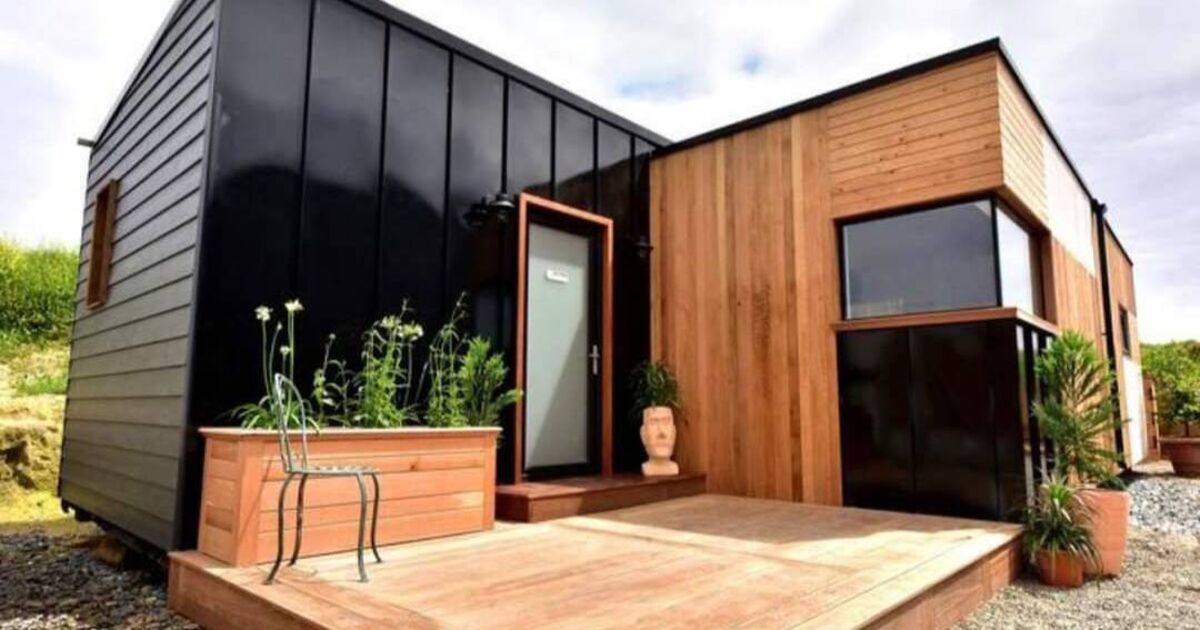
One thing we do have is quite a large garden which has become quite overgrown at the back. We are very interested in this new proposal which will apparently allow people to put modular homes in their back garden and rent them out. We saw the report on the news and we’re thinking this could be a way of tackling our back garden while also generating some income by renting it out to a couple of students. We live quite close to a third-level college, and we know the students are crying out for accommodation.
Because we like our privacy, we were uncomfortable with the idea of renting out a room but having them at the end of the garden seems like a win-win for us and them.
We are quite excited about this but before we go any further what practical / building issues would we need to address. Could there be issues with the neighbours. What rights will the students have as tenants? Anything else we should factor in?
Yours Francesca Dear Francesca,thank you so much for your enquiry. This really is the burning question of the day. Everyone with a garden is waiting for the information to drop. Across Ireland there is huge pressure on student accommodation, and many homeowners are now looking at ways to make better use of existing space. A modular home in the garden can potentially provide extra income, help students, and even improve an overgrown outdoor area that has become difficult to manage. For a couple approaching retirement, it could also become a valuable long-term asset.That said, there are several practical, legal, and financial matters you should carefully examine before making any commitments.First, it is important to understand that the Government’s proposal around modular or ‘granny flat’ homes is still evolving. While there has been significant discussion about easing planning rules for cabins and modular units in back gardens, the detail of how this will operate in practice is still being worked through.Planning permission At the moment, most detached residential units built in a garden will generally require planning permission, particularly if they are intended to be rented out as an independent dwelling.So, once the legislation is through, and if planning is required, you should be to speak with the planning department of Limerick City and County Council. This can be done through the mechanism of the pre-planning meeting request forms that may be downloaded from their website. Don’t be worried or shy about spelling out what you are thinking about because it’s better that you have ‘no’s’ as well as the ‘yeses’ early on. The planning officer will assess your specific site and tell you whether permission is likely to be required and whether your garden is suitable. If planning is not required, ask a planning consultant to look at the proposals to ensure the exemption criteria is met.The size and layout of the garden are crucial. A modular home cannot simply be ‘dropped in’ anywhere. The council will look at issues such as access, drainage, parking, overlooking, and the effect on neighbouring properties. Even if your garden feels large, planners may still have concerns if the structure is too close to boundaries or if windows overlook neighbouring gardens.Neighbours are definitely something to think about. Common concerns where planning applications are being considered include loss of privacy, increased noise, extra cars parked on the road or worries that a quiet residential area could become more densely occupied. It will be the same and possibly even heightened where developments are located in the backyard. Since you mention students specifically, some neighbours may unfairly assume there could be late-night noise or parties, even though many students are perfectly responsible tenants. You will have people living on your property, so naturally there will be comings and goings at different hours, visitors, bins, deliveries, etc.This does not mean your neighbours can stop the project necessarily, but it is wise to approach things carefully and diplomatically. Often, speaking to neighbours early and showing them the plans can reduce tension. Thoughtful design helps enormously. Positioning windows carefully, adding fencing or landscaping, and ensuring there is a separate pathway can all make the arrangement feel less intrusive for everyone.Services and infrastructure You also need to think about services and infrastructure. A modular home still needs electricity, broadband, heating, water, sewage connection, and proper insulation.Depending on where existing pipes and drains are located, installation costs can rise quickly especially where existing infrastructure is old. The mains sewerage pipe for urban terrace and estates are often routed through back gardens, parallel with the housing line. These may be old and compromised, so linking in may be difficult.It is also preferable not to build over pipework as access may be needed for maintenance. New structures may cause settlement of the ground, and this could result in compromising pipe falls and cause blockages and/or breaches. Where a sewerage line is linked with other houses this may impact your neighbours. Ensure you consult with a Chartered Building Surveyor or Chartered Engineer when it comes to these matters.Tenant rights Other items to consider might be tenant rights. Many people assume student tenants have fewer rights, but this is not always the case.The legal position can depend on whether the accommodation is considered a licence arrangement or a standard tenancy. At the moment the Government is moving forward with plans to enable modular homes to be rented out under a licensing agreement rather than traditional tenancy agreements.But the Government has also said regulations will be reviewed after 18 months so that is something to watch.If that was to change in the future and if the unit was classed as being separate from your own home, as opposed to sharing your living space, students could potentially enjoy stronger tenancy protections than a traditional ‘rent-a-room’ arrangement.Insurance is another major consideration. Your current home insurance almost certainly would not automatically cover a separate rental dwelling in the garden.You would need to inform your insurer and probably obtain specialist landlord cover. Failure to disclose the arrangement could invalidate insurance in the event of a claim.But on a positive note, student tenants can often work very well for arrangements like this. They are usually looking for accommodation close to college, may appreciate a quieter environment than large student complexes, and often stay for predictable academic terms. Many homeowners may enjoy the sense of security that comes from having someone nearby without sharing the main house.
Brigid Browne is a chartered building surveyor and Chair of the Southern Region of the Society of Chartered Surveyors Ireland. She is the MD of Cashel-based Fortress Planning. fortressplanning.ie