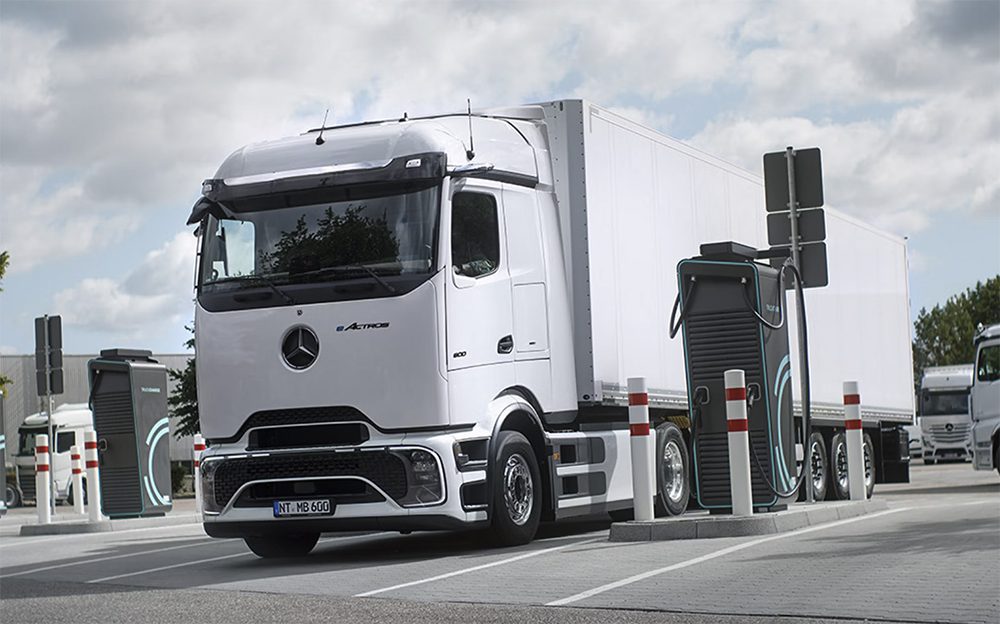
Mercedes-Benz’s reECONIC electric truck concept demonstrates the use of recycled materials
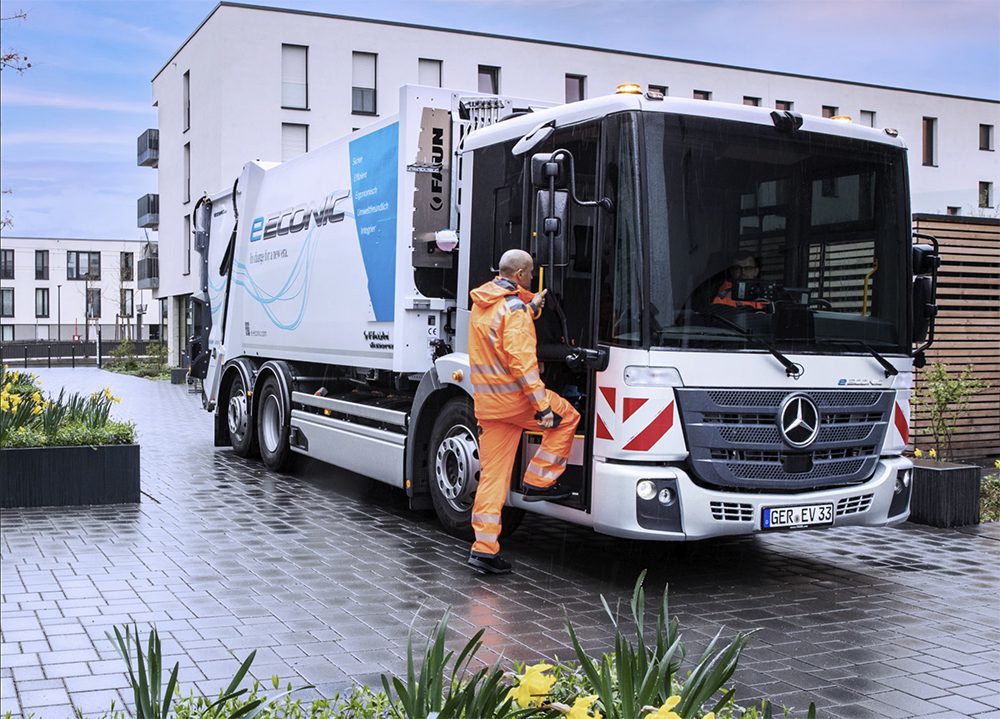
The reECONIC electric waste collection vehicle can collect waste to be sent for recycling—so it’s fitting that the truck itself is partly made of recycled materials.
Mercedes-Benz Trucks worked with 33 partners to create this concept EV. The companies demonstrated that, theoretically, around 80 percent of the materials used to build the truck could be replaced with recycled, natural and bio-based materials.
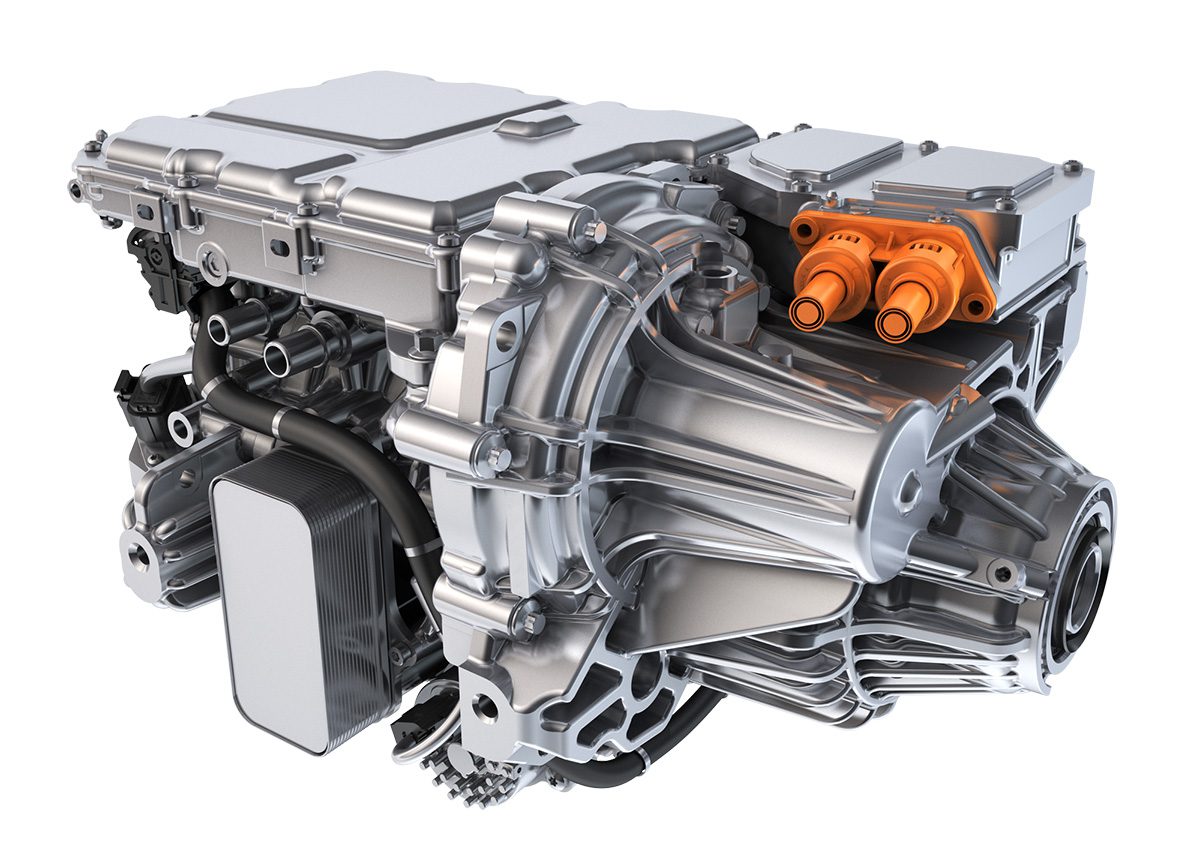
Sustainable materials are found in just about every part of the truck except the powertrain.
The FAUN reNew VARIOPRESS body is partially made from recycled materials.
The front axle and two side members are made of carbon dioxide-reduced steel. The flat steel used for the side members is produced using innovative electric arc furnace technology and contains an average of 88 percent recycled steel. The axle housing is made of forged steel with a recycled content of 97 percent.
The cab frame and battery protection structure are largely made from recycled aluminum using the extrusion process. The installed aluminum components contain at least 75 percent post-consumer recycled material.
The developers partially replaced the petroleum-based plastics and fiber-based reinforcing materials used in the production vehicle with a range of more sustainable alternatives, including recycled polymer, reused fillers, and interior trim elements made from natural and bio-based materials.
The reECONIC uses retreaded tires, which enable the existing carcass to be reused multiple times. This process increases the proportion of recycled and renewable materials to 80 percent after just the first retreading.
With an average recycled glass content of 64%, the glazing significantly reduces the use of virgin raw materials and CO2 emissions during manufacturing. Only the glass for the side and front mirrors and the display covers was sourced from series production.
Elements in the floor, on the wheel arch, and on the fender are made of wood. In the driver’s cab, the seat shell and cab roof are also made of wood. Beech wood is a renewable raw material that absorbs additional CO₂ from the atmosphere as it grows.
The fenders consist of 92 percent recycled plastics, and the control panel carrier is made almost entirely from recycled material.
“Together with our European partners, we have done pioneering work in the field of material recycling and the use of natural materials and bio-based alternative products,” said reECONIC Project Manager Roland Dold. “It consists, among other things, of materials with a history—from fishing nets to automotive parts. Even after the end of their useful life, many of these components can be converted back into their raw materials and reused. We expect to be able to incorporate our findings and experience into series production so that more trucks with high recycled content will hit the roads in the future.”
The reECONIC is scheduled to undergo real-world testing in the second half of 2026, and Daimler says it will then transition into a “practical use phase.”
“Sustainability is an integral part of our strategy,” said Achim Puchert, CEO of Mercedes-Benz Trucks. “On the one hand, we are consistently decarbonizing our products. On the other hand, climate-friendly and resource-efficient production and supply processes make a significant contribution.”
However, it seems that Daimler’s commitment to sustainability is relative, not absolute. Along with competitors Volvo and Traton, Daimler continues lobbying to weaken emissions standards in the US and Europe. In their latest move to delay the EV transition, the companies filed a motion through the Truck and Engine Manufacturers Association to defend the Trump EPA’s repeal of the 2009 endangerment finding and the repeal of all motor vehicle climate standards.
Source: Mercedes-Benz Trucks