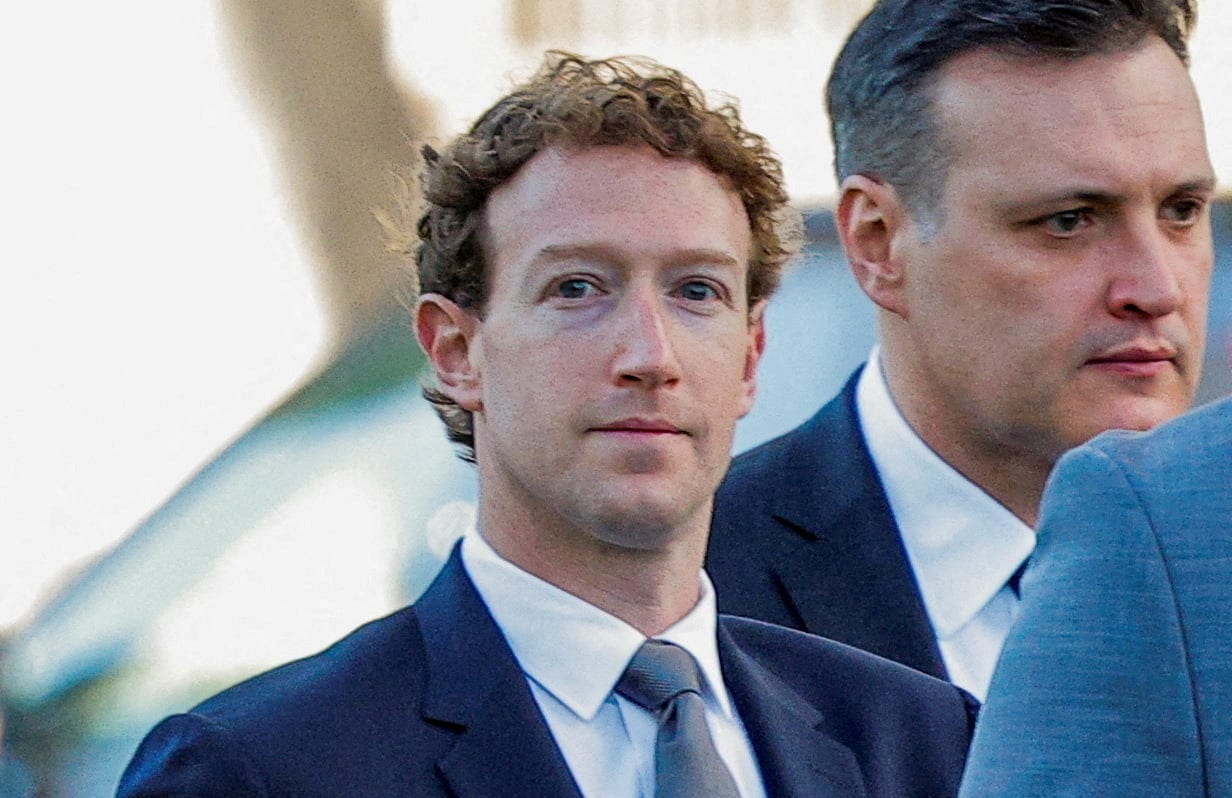
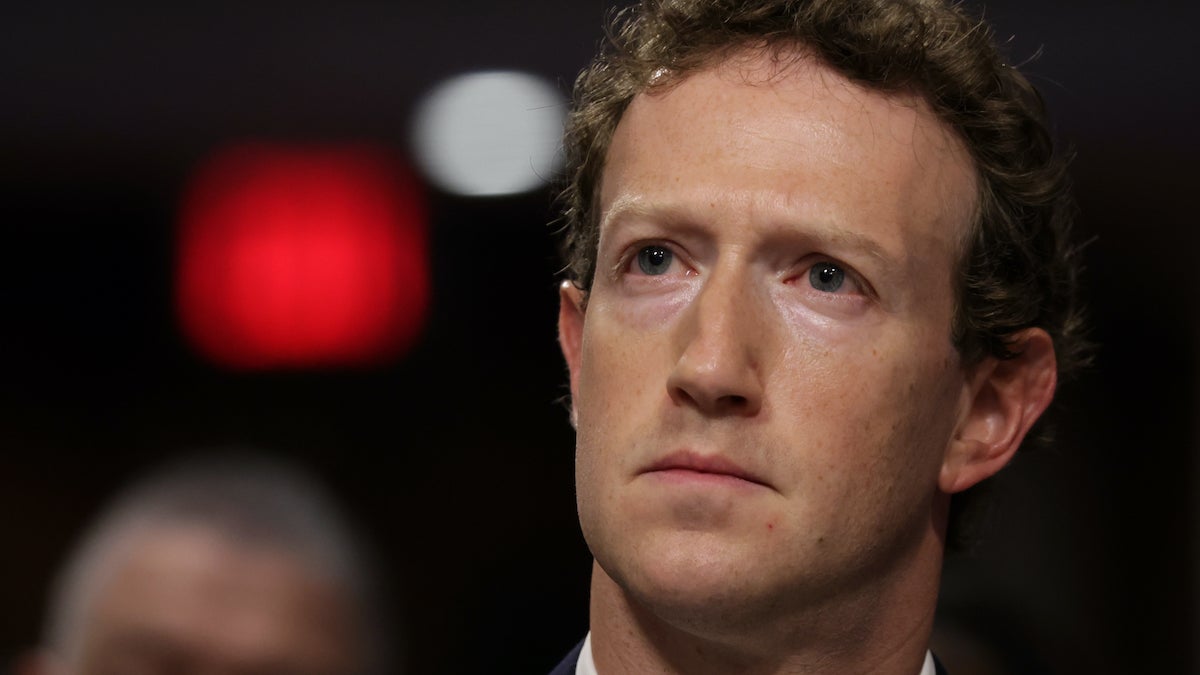
The Nation's Top Book Publishers Are Suing Meta and Zuckerberg Over Books Stolen by AI
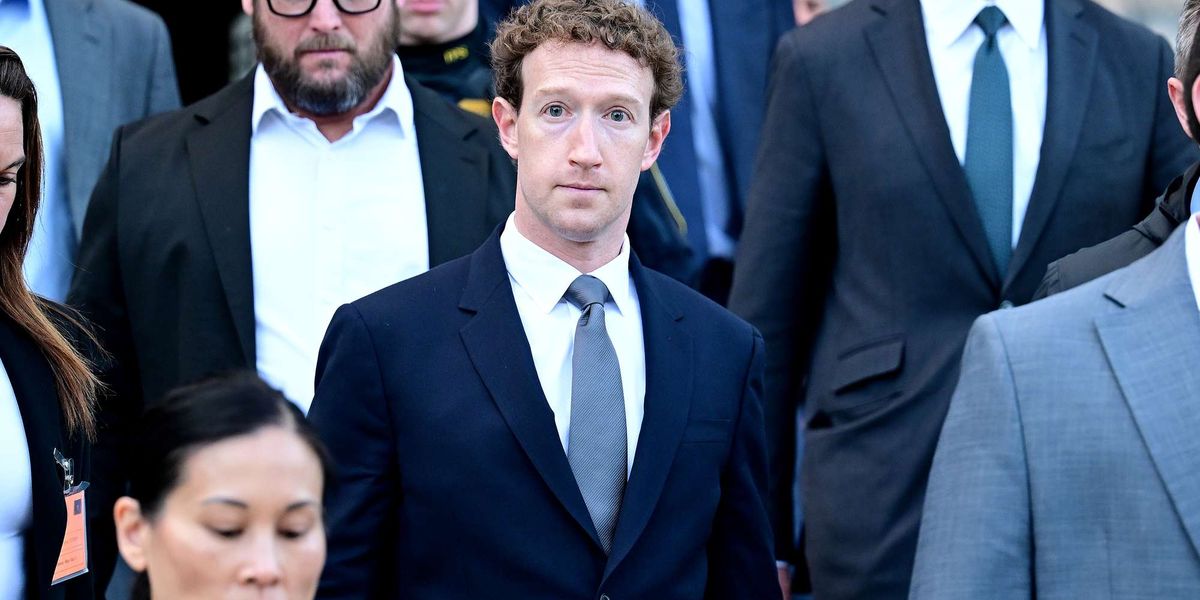
Some of the country’s biggest book publishers in various fields joined forces this week in opposition to an obvious existential threat, leveling a new class-action copyright infringement lawsuit against not just Meta’s AI program Llama, but also the company’s chief executive Mark Zuckerberg. Meta, they allege, illegally used millions of their copyrighted works, accessed through pirated copies on dark corners of the web, to train the AI program Llama, removing copyright notices in the process. The suit likewise lays the blame squarely at the feet of Zuck, claiming that “Zuckerberg himself personally authorized and actively encouraged the infringement.” The companies (Hachette, Macmillan, McGraw Hill, Elsevier and Cengage) are likewise joined by a best-selling novelist in the form of Scott Turow, whose legal thrillers have sold more than 30 million copies. The lawsuit was filed Tuesday in the United States District Court for the Southern District of New York.
The publishers and Turow naturally argue that Meta’s AI program represents an extremely obvious threat to the livelihoods of writers everywhere, given that the same AI, after digesting their work, can be asked to instantaneously produce facsimiles that mirror a writer’s style and content. The lawsuit cites various high-profile authors whose works were allegedly stolen for use in training the AI, including Turow, V.E. Schwab, N.K. Jemisin, and Lemony Snicket. The suit declares that “these AI-generated books are already flooding the world’s largest book marketplace, Amazon, in volumes that materially displace human-authored works.” This, they say, would inevitably “dilute the overall market for literary works.”
Hell yeah. Very excited to seee major publishers like Hachette and MacMillan joining authors in directly taking legal action over AI theft!! Fuck Meta, fuck Zuckerberg, and fuck AI thieves forever.
[image or embed]
— Litbowl (@litbowl.bsky.social) May 5, 2026 at 10:56 AM
Speaking to The New York Times, Turow said Meta had engaged in “shameless, damaging and unjust behavior.”
“I find it distressing and infuriating that one of the top-10 richest corporations in the world knowingly used pirated copies of my books, and thousands of other authors, to train Llama, which can and has produced competing material, including works supposedly in my style,” he argued.
The most damning piece of evidence that could eventually be presented at trial comes directly from the AI program itself. When asked to produce content that specifically mimicked the style of various authors whose work had been accessed to train the model, Llama cheerfully volunteered that it had been trained on the published works of those creatives. Those “published works,” the suit alleges were in fact pirated, unlicensed copies hosted via piracy sites in which users can swap copyrighted materials. Essentially, they’re alleging that Meta wasn’t picky about where it was grabbing their literature from, and turned to illegal venues to access more manuscripts for the benefit of the all-important AI.
“A.I. is powering transformative innovations, productivity and creativity for individuals and companies, and courts have rightly found that training A.I. on copyrighted material can qualify as fair use,” said Meta spokesman Dave Arnold in response to the suit. “We will fight this lawsuit aggressively.”
The results of similar legal challenges against major AI companies by authors and publishers has been a rather mixed bag to date. In June of 2025, a group of writers that included Sarah Silverman and Ta-Nehisi Coates found a San Francisco judge denying their own copyright lawsuit against Meta, finding that they hadn’t presented a strong enough case that the use of AI would cause “market dilution” through the production of work similar to their own, effectively ruling that Meta’s use of their work qualified as “fair use.” In the fall, however, another group of authors scored a landmark victory against Anthropic, as the AI monolith agreed to pay a whopping $1.5 billion to more than 500,000 authors ($3,000 per work) after a judge ruled it had illegally accessed and stored countless copyrighted books to train its own system, in what one intellectual property lawyer referred to as “the AI industry’s Napster moment.”
In this particular suit against Meta, the plaintiffs are asking for an order forcing the company to destroy its illegally acquired copies of various works and manuscripts, and to “cease all unlawful activities.” How much they ultimately hope to extract in further damages is not clear.
“We’re focused on a much more sustainable A.I. landscape — something that’s transparent and fair and participatory and has guardrails against harm for authors and publishers,” said Maria A. Pallante of trade group The Association of American Publishers, to NYT. “The harm is already evident.”
The “harm,” it should be noted, has also already infiltrated some of those same publishers. Hachette, which is one of the plaintiffs in this case against Meta, faced its own AI drama in March when it withdrew the planned U.S. release of a horror novel called Shy Girl from author Mia Ballard, after months of grilling from readers, authors and the media about whether said novel–which they published in the U.K. in 2025–was largely crafted by AI. Ballard eventually blamed an unnamed acquaintance she claimed to have hired as an editor for the book, claiming that this person had somehow rewritten vast swathes of it with AI, something she … somehow did not notice? Hachette, likewise, said it had decided not to publish the book after a “thorough and lengthy review of the text,” while glossing over the fact that they did in fact publish the book a year earlier in the U.K., apparently oblivious to the fact that it was mostly AI slop at the time. It’s a story that raised obvious questions about whether the traditional book publishing industry can genuinely expect to be able to police the infiltration of non-human writing into one of the few fields that has drawn a strict ideological line against it … or whether they care enough to keep up the level of rigor necessary to continue defending the rights of authors if there’s money to be made in exploiting AI slop.
In the wake of the Mia Ballard “Shy Girl” fiasco, I’m seeing valid concerns that AI has doomed publishing, but look: Readers clocked something phony about Ballard’s writing and loudly objected, forcing Hachette to pull the book. Readers are smart, and this *could* deter others from trying this crap.
[image or embed]
— Morgan Richter (@morganrichter.bsky.social) Mar 20, 2026 at 9:54 AM
It shouldn’t even have to be observed that the likes of Meta certainly aren’t going to safeguard the artistic validity of the written word, or the viability of writing as a profession: They’ll just exterminate it if possible, as they would any profession that can be cheaply replaced by automation. Here’s hoping that cascading legal precedents will cordon off portions of at least one industry from being further devastated by AI-driven corporate greed.