Ben Stiller and Christine Taylor’s Met Gala Appearance Is Hiding a Much Better Love Story
Image Credit: Getty Images for The Met Museum
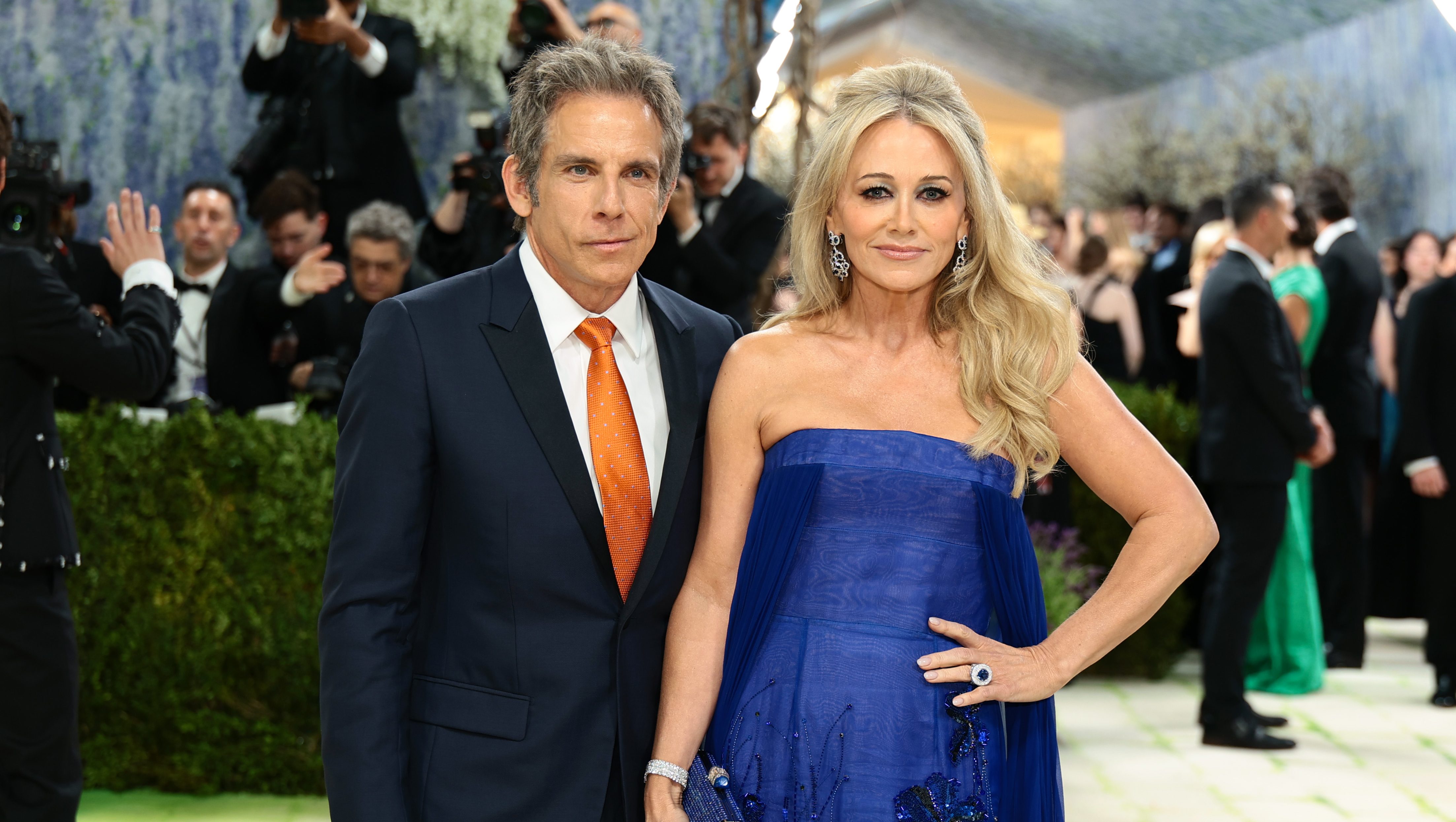
Ben Stiller and Christine Taylor walked the 2026 Met Gala carpet on May 4, their first together in a decade. A decade. That gap is the whole story.
In between those two red carpets, they separated publicly in 2017. They quietly found their way back to each other during the pandemic. And now, they’re posing in couture at the Met like nothing happened.
The internet is doing what the internet does. Calling it a fairytale. Calling it proof that real love wins. Posting the kissing photos with hearts in the caption.
I want to tell you something different about that decade. Because if you’ve been married a long time, or you want to be, the gap between those two red carpets is the part you actually need.
The Myth Hollywood Keeps Selling You
Here’s the lie the culture keeps telling you about long love. You find the right person, you crack the communication code, and then you coast.
You don’t. You really don’t.
You don’t get to a good relationship and then keep it for the rest of your life. You reach temporary moments of feeling safe and playful and confident with each other. Then you lose it. Then you do the grueling emotional labor to get back there again. Over and over.
When Ben and Christine met on the set of Heat Vision and Jack in 1999 and married a few months later, their sexy selves met each other. That’s how it works for everybody. The witty self, the charming self, the version of you that lights up.
But eventually, your sexy self has to go to bed with your vulnerable self. The part of you that’s terrified of being abandoned. The part that’s terrified of being a constant disappointment. Those parts show up in the marriage about year five, year ten, year fifteen, and they collide. Messily.
Couples think the mess means they’re broken. That’s where I’d start with anyone in my office. The mess is the marriage. There is no version of long love where the mess doesn’t arrive.
What looked like a Stiller-Taylor “split” in 2017 was probably the moment their vulnerable selves finally walked into the room. Two careers. Two kids. A pandemic on the way. The nervous system goes into biological panic, and a couple stops talking about feelings and starts living out childhood survival strategies instead.
The Dance Underneath Every Long Marriage
Here’s what I see every Tuesday in my office in San Francisco. Couple comes in after 15 years. They tell me they’ve lost the spark. They’re going through the motions. They’re terrified it’s over.
Almost always, one of them is living in the penthouse and the other is hiding in the basement.
The penthouse partner is the good one. They’re trying. They’ve read the articles. Their friends agree with them. They feel completely unprioritized.
The basement partner feels like no matter what they do, it’s a B grade. So they go quiet. They distance. Sometimes that quiet calcifies into the silent treatment, and the penthouse partner reads it as proof they don’t matter, and the whole loop tightens.
Both people are hurting. Both people are valid. They think they’re fighting about the schedule, the in-laws, the phone at dinner. They’re not. They’re using the battleground of whatever topic to play out attachment wounds. One felt abandoned. The other felt rejected. Same fight, different costume, for years.
If you want to see your version of this loop in plain English, you can take our free relationship quiz. Most people recognize themselves inside of three minutes, and there’s a particular relief in that.
Why Their Separation Is the Most Romantic Part
Here’s my unpopular take. The decade Ben and Christine spent partly apart isn’t the dark mark on the Hollywood record. I think it’s the most romantic part of their story.
The culture wants fiat relationships. Printed peace. The feeling of connection without the cost of vulnerability. We pathologize disconnection like it’s a bug in the system.
Disconnection is a feature, not a bug. The only reason a separation hurts that badly is because the bond matters that much. You fight because you love each other and you’re important to each other. If you didn’t matter, you’d be polite.
When a couple walks into my office mid-fight, distressed and exhausted, I sometimes tell them to go to 7-Eleven and buy the most expensive bottle of champagne they have. I know, the sophisticated 7-Eleven champagne. I’m celebrating the fact that they still mean enough to each other to get pulled into these cycles. The conflict is evidence of love.
A lot of what gets called toxic in pop culture is actually two nervous systems stuck in protest, and you can read the science behind trauma bonding for the longer version of why “just leave” is rarely the right read on a long marriage in trouble.
Ben and Christine didn’t settle for a hollow fiat marriage. They let the system break down. Then they did the actual proof of work, the slow, grueling rebuilding of trust. That deserves more empathy than any clean fairytale.
What I’d Say If They Sat On My Couch
If they walked into my office tomorrow, I wouldn’t teach them communication tricks. I’d stop them from trying to solve logistics.
I’d say what I say to every long-married couple. You are both the world-renowned expert in the problems of your partner. If I hosted a global conference tomorrow on what’s wrong with Christine, Ben, you’d be the keynote. Christine, you’d headline the Ben one. You both already have a post-doctorate in each other’s flaws.
That story of the other never leads to healing. Never leads to growth. It’s the path the lab rat keeps walking down to find no food at the end.
The move is going from two separate narratives about who’s to blame into one shared story of what’s happening between you. Your truth makes sense. Their truth makes sense. Your panic makes sense. Their shutdown makes sense. You’re both hurting, and you both act in ways that hurt each other, because you love each other so much.
What That Red Carpet Actually Means
So, when you see those Met Gala photos of Ben Stiller and Christine Taylor, soft-eyed in their fashion, don’t read it as a fairytale. Fairytales are for people who’ve never been married 15 years.
Read it as two people who let their relationship break, looked the wreckage in the face, and chose each other back. Slowly. Without an audience.
Love is not the absence of hurt. Love is the presence of repair. That’s the photo.
_________________________________________________________________________________________
Empathi founder Figs O’Sullivan, LMFT and his wife, Teale, are couples therapists and relationship experts to the Stars and Silicon Valley, founder of Empathi, and built Figlet, our AI relationship coach, an AI relationship coach trained on their clinical work.