Digital ID fears grow as expert warns Britons would need government approval to use their own money
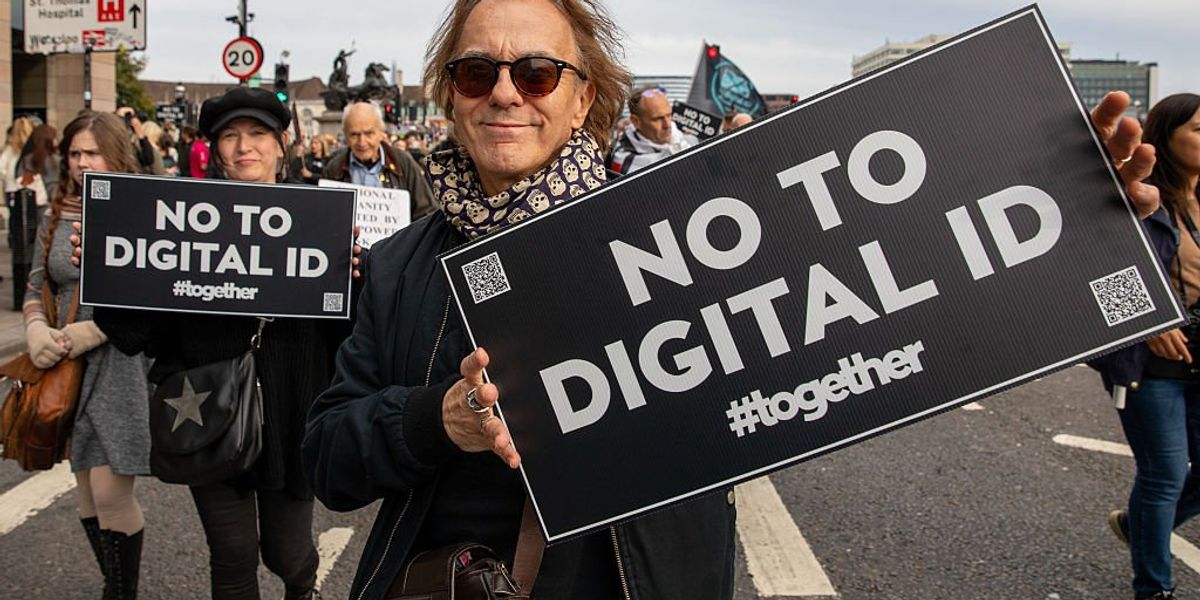
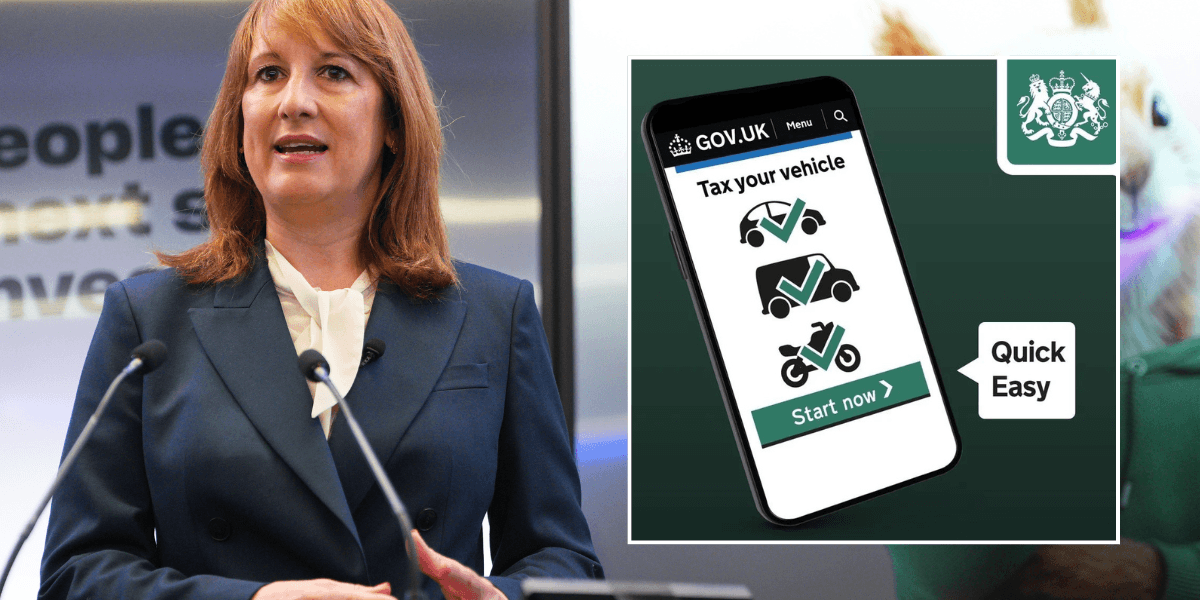
Plans for digital ID systems in the UK are facing growing scrutiny over how they could affect everyday financial access.Critics warn that linking identity more closely to banking and payments could give the state greater oversight of how people use their money.A financial expert has issued a stark warning that the Government's proposed digital ID system could fundamentally alter Britons' relationship with their own money.Cameron Parry, chief executive of TallyMoney, cautioned that linking personal identity to banking and payments would dramatically increase state oversight of individual financial activity."If your spending is linked to a government-managed ID, it becomes easy for the state to track your purchases, transfers, and withdrawals," he said.Mr Parry went further, suggesting the implications extend beyond mere surveillance."This could create a future where using your own money requires implicit government approval," he warned.The TallyMoney boss also raised concerns about the nature of bank deposits themselves, noting that many people remain unaware that money placed in bank accounts is no longer legally theirs, potentially exposing them to policy changes and regulatory shifts.The government's digital ID app will have a modest initial scope before the next general election, according to Darren Jones, the prime minister's chief secretary.Mr Jones acknowledged that early functionality would be relatively constrained despite annual costs matching the Cabinet Office's entire budget from the previous year.More ambitious features remain a longer-term prospect | GETTY"There will be some simple things that will come forward by the end of the parliament: maybe tax disc payments; some administrative tasks; the right-to-work check will be available if you want to use it from 2029," he said.More ambitious features remain a longer-term prospect."But the big prize when you're looking at things like the childcare system or your pension statement or HMRC data that's really a prize for the next parliament, because we're going to have to take some time to get it up and running in the first place," Mr Jones explained.Ministers have drawn inspiration from Estonia, where citizens use a single digital identity for accessing health records, signing documents, claiming benefits and submitting tax payments.The digital ID scheme has hit numerous snags over the past months | GETTYPublic sentiment remains firmly divided on the proposals, with polling revealing that four in ten people oppose the scheme compared to just 32 per cent who support it.This scepticism has prompted ministers to proceed cautiously with an eight-week public consultation process.Mr Jones said the Government would seek views on both potential uses for digital ID and the concerns people harbour about its implementation.A randomly selected group of 100 citizens from across the country will form a "people's panel" with the opportunity to vote on the scheme once the consultation concludes.The minister also pledged that future expansion of the system would require parliamentary approval."I expect to build in a mechanism that means that government and any future government will have to be back to parliament for a check and balance and approval for each service that comes onto the app in the future," Mr Jones said.Mr Parry challenged the Prime Minister's use of Australia as a model for the UK's approach, arguing the comparison misrepresents how identification systems function there."The truth is Australia does not have a centralised digital ID system used across all states and territories," he said, describing the country's arrangement as "a patchwork of systems" combining government schemes like myGovID with private-sector alternatives.He stressed that Australian citizens can still rely on physical documents and face no obligation to consolidate their identity within a single central database."The vision of digital IDs that Starmer is proposing for the UK is very different from the Australian model he referenced," Mr Parry argued, warning it could become "effectively be compulsory for many aspects of life".He pointed to China, Russia and North Korea as examples where digital identification enables state management of citizens' access to services and information.Mr Parry advocates for gold ownership as a means of preserving financial independence from Government systems.Experts explain for thousands of years, gold has been the best way to store value and protect individual wealth | GETTY"For thousands of years, gold has been the best way to store value and protect individual wealth. It is an asset that sits outside of government policy, banking failures and shifting regulations. "Holding money in gold gives you an alternative to government-controlledcurrency and systems, meaning tools like digital IDs cannot be used to restrict your access to make payments and live your life freely."His company, TallyMoney, offers British customers the ability to hold physical gold that remains their legal property, fully insured and never lent out to third parties.Account holders receive a debit card enabling them to spend their gold holdings instantly through standard payment methods including contactless transactions and cash machine withdrawals."TallyMoney gives you a way to own gold you can spend, instantly, anywhere through normal payment methods," Mr Parry explained.He positioned the service as bridging the gap between gold's traditional role as a store of value and the practical usability of everyday currency.