Tesla reaches 10 billion FSD miles — is there’s a magical milestone for autonomy
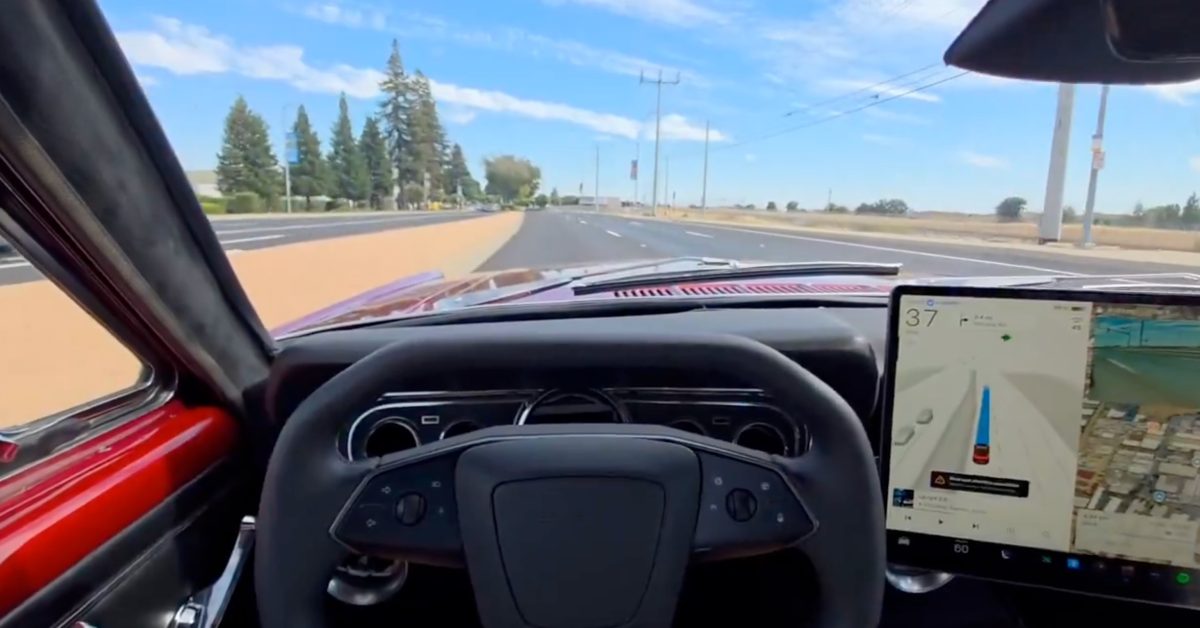
Tesla’s Full Self-Driving (Supervised) fleet has crossed the 10 billion mile mark, according to the automaker’s updated safety page. It’s the threshold that CEO Elon Musk himself set earlier this year as the data milestone needed for “safe unsupervised” driving.
The achievement represents a massive acceleration in data collection — the fleet was logging roughly 29 million miles per day by late April, up from 14 million miles per day at the start of the year. But hitting a round number doesn’t mean Tesla is about to flip a switch on Level 4 autonomy.
A goalpost Musk set himself
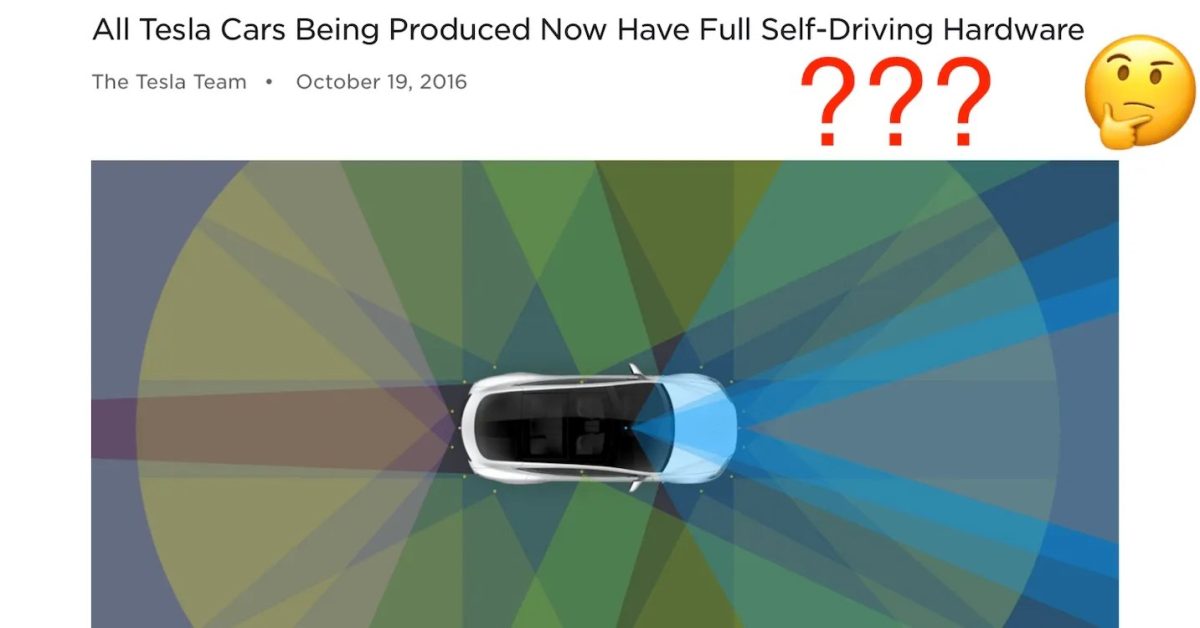
In January 2026, after Tesla failed to deliver unsupervised FSD by the end of 2025 as promised, Musk stated that the company needed approximately 10 billion miles of real-world driving data to achieve safe unsupervised self-driving. That figure itself was a moved goalpost — he had previously indicated 6 billion miles would be sufficient.
Tesla’s safety page now reports one major collision per 5.3 million miles under FSD (Supervised), compared to one per 660,000 miles for the average US driver. The company frames this as evidence the system is dramatically safer than human driving. Advertisement - scroll for more content
But experts have long criticized Tesla’s safety methodology. Tesla uses different methods to count crashes than the NHTSA data it compares to, creating a misleading picture. And Tesla’s own Austin robotaxi fleet, which logged roughly 800,000 miles through February 2026, reported 14 crashes to NHTSA — a rate approximately four times the average human-driven crash rate in similar urban conditions.
Data is important, but not all data is equal
The 10 billion mile figure sounds impressive, and data collection at this scale is genuinely valuable for training neural networks. Tesla’s fleet advantage — millions of vehicles collecting real-world driving scenarios — is something no competitor can replicate.
But there’s a fundamental question that a mileage counter can’t answer: when is the system actually ready to take full responsibility for driving?
Musk has now pushed unsupervised FSD for consumer Tesla vehicles to Q4 2026 at the earliest, and even that timeline comes with heavy caveats and Tesla has missed all of Musk’s timelines for the last decade.
Meanwhile, Waymo, which actually operates at Level 4 with no human behind the wheel, has expanded to 10 cities with driverless operations and is targeting 1 million weekly rides with its 6th-gen system. Waymo reports 90% fewer serious injury-causing crashes and 82% fewer airbag deployments than human drivers across 127 million miles of autonomous driving.
The difference: Waymo takes legal responsibility for the driving. Tesla does not for its ‘Full Self-Driving’.
Electrek’s Take
Data obviously matters for training autonomous systems, but not all data is equal. Elon Musk put 10 billion miles as the needed database for unsupervised FSD, but it wouldn’t be the first time he’s wrong about Full Self-Driving. He’s been wrong about it more than any other topic, frankly. I don’t think there’s a magical mileage milestone that unlocks autonomy.
The core problem is that Tesla doesn’t know when it can achieve Level 4 at scale because the tail end of edge cases is almost infinite. You don’t need to cover every single one — some of the best human drivers in the world have obviously not encountered every possible scenario, but they can still be prepared to deal with a wide range of them safely. The challenge is knowing when your automated system has reached that level of generalized competence.
FSD is undoubtedly improving. The system today is significantly better than it was a year ago. But I doubt Tesla will take responsibility for it — meaning actual Level 4, where the company is liable and the driver can look away — anytime soon. Reaching 10 billion miles is a marketing milestone. Accepting liability for billions of miles of unsupervised driving is an entirely different proposition.
FTC: We use income earning auto affiliate links. More.