Gareth O'Callaghan: In chasing modernity, has RTÉ Radio 1 lost its soul?
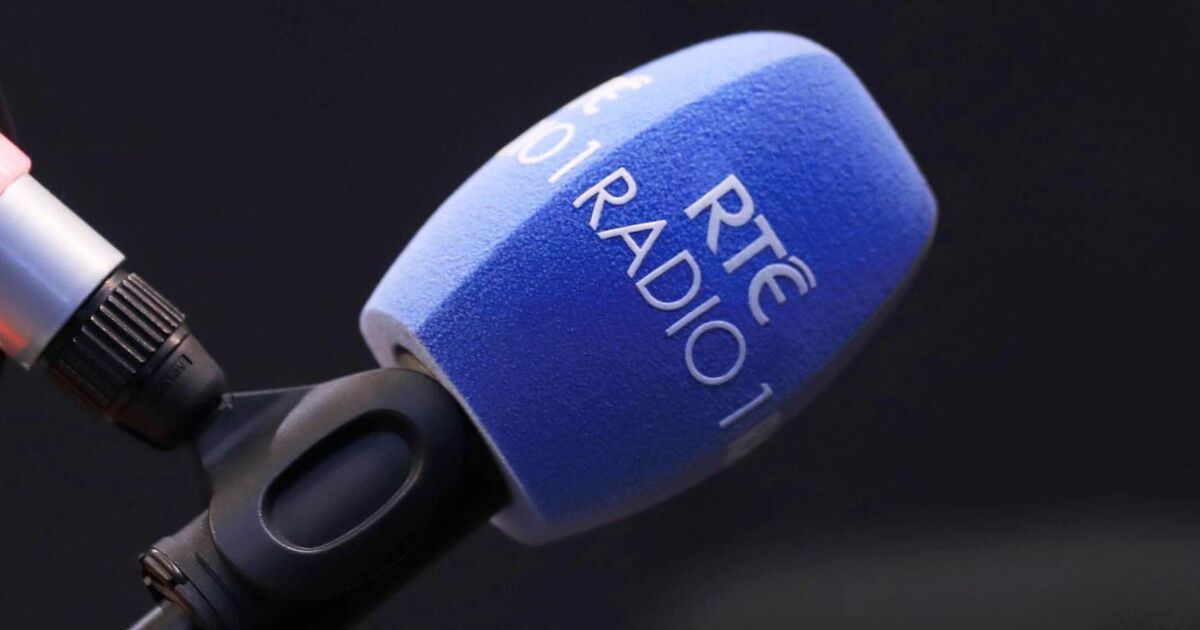
“Nothing is so painful to the human mind as a great and sudden change.” Mary Shelley’s words loomed large this week as I listened to friends describe their annoyance at the “bland new sound”, as one of them called it, of RTÉ Radio 1’s new signature tunes. There’s something innately comforting in a radio show’s signature tune, or sig as it’s known. I remember years ago listening to BBC Radio 2 on Sunday afternoons waiting for Charlie Chester’s opening sig. It was a piece by Alan Moorhouse called Music To Drive By, a brash brassy blast of musical brilliance belted out by the Oscar Brandenburg Orchestra. I rarely missed it. That’s how distinctive a marker it was as my weekend drew to a close. I was barely 10, but I’ve never forgotten how it just got me every time.I recall Sunday mornings in later years on Radio 1 when Ciarán Mac Mathúna would introduce Mo Cheól Thú (which translates as You Are My Music) in that gentle dulcet voice of his. Then came the most beautiful sig called The Lark In The Clear Air played by Geraldine and Eily O’Grady.It had a transcendent quality about it. Even though Ciarán is long gone it still has the power to take me back to a place when, for 45 minutes, time stood still. That’s what a sig is meant to do to a listener.According to journalist Sam Smyth in 2009, Mac Mathúna was “on a mission to collect songs and stories, music, poetry and dance before they were buried under the coming tsunami of pop music”. His mission defined the ethos of Radio 1. Imagine a bowl of fruit — an apple, banana, kiwi, pineapple, avocado, and berries for good measure. Each item is a powerhouse that captures the attention of the tastebuds with its unique appeal, each with its own aftertaste and satisfaction.Now juice them all for 30 seconds and taste the result. It’s a stinging mostly non-descript flavour, a bitter assault on the tastebuds that lacks the singularity of each piece of fruit.Radio 1's once good sigs In recent days, Radio 1's once recognisable programme sigs have been ditched. The familiar intros to the station’s biggest shows have been put through the juicer of uniformity, and what listeners have been left with is bland and bewildering, and annoying to listen to. A great sig moulds a show, makes it different. It cements its contents and its popularity. Without it, the show lacks presence and place. It’s an instant connection between listener and presenter. It resonates with its audience in a way that’s trustworthy. It reaches out and grabs you and draws you in, because that’s what it has done since you first heard it. Did this not occur to RTÉ bosses before they ditched the sigs, some of which are nothing less than cultural masterpieces? According to RTÉ, its intention for Radio 1 is for “a comprehensive round-the-clock sound suite tailored to the station’s evolving identity”. RTÉ said London-based audio branding agency WiseBuddah was appointed to develop the new sound following a public procurement process.What was wrong with what we’ve been listening to since Marian Finucane introduced Liveline for the first time in 1985 with that gorgeous sig by Stockton’s Wing called Over The Moor that had you instantly tapping your steering wheel? A good sig should make the hair on the back of your neck stand up. I was 14 when I first heard Tico’s Tune by Manuel & The Music Of The Mountains. RTÉ producer John Caden chose it for Gay Byrne’s radio show when it first aired in 1972. I listened to it again while writing this column. Fifty years on, it still has that hair-neck effect. Then there’s the dynamic and instantly engaging Galliard Battaglia with its duelling trumpets, composed by Samuel Scheidt in 1621, which has introduced the iconic collage of music and musings on Sunday Miscellany since 1968. Alas no longer. Its replacement is admirable, helped in no small way by the strings and brass of the RTÉ Concert Orchestra, but it’s not Scheidt. Perhaps it’s early days, but why change something that has had a lasting impact for almost 60 years? Why not tweak what’s there instead of binning it? Patricia Monahan, RTÉ’s director of audio, who formerly headed up Newstalk, says the plan is to “ensure RTÉ Radio 1 is not only heard but will be instantly recognised and felt”. It’s at this point as a listener that I get confused. The station is one of very few on the airwaves that can still be instantly recognised, even with its recent schedule revamp. Now I’m not so sure.
Radio 1’s old sigs are woven into Irish culture, and that’s a fact the station’s new visionaries should bear in mind.
The profound connection between a radio show’s intro and human emotions isn’t just a feeling, it’s a highly complex neurological process that takes years. Dopamine is central to how we experience our music, and that includes intros.Our brains can predict the experience of an eagerly awaited show, and it rewards us with a shot of dopamine which enhances the impact of the sig. When the sig is taken away suddenly, the brain feels thwarted. Radio is a listening experience that needs dopamine in order to ignite attention. Dopamine doesn’t react to generics. Radio 1's Irish identity In her bestseller Creating Powerful Radio, Valerie Geller discusses how listeners love ‘formatics’, as she calls them. “They provide structure, like the walls of a house. People want to know to whom and what they are listening, and they like to know what time it is.” Originality, consistency, and affection are the collective ingredients of great radio. All three are key to satisfying an audience and keeping them onside. Without them, ratings start to drop. Radio 1 is in danger of losing its identity; or to be precise its Irish distinctiveness. Its remit is based on the interests of its listeners and the multiple cultures within its coverage. It’s different because it must be. That’s why it was established.
While it competes favourably with its competitors, it was never meant to sound like them. By copying the competition, it dilutes its position. When Oliver Callan said on air recently that he felt as if he was “presenting Euronews at three o’clock in the morning” in response to his new intro, he wasn’t joking. While I don’t condone radio presenters dissing the music they play, Callan has a valid point. Meanwhile, the new Mooney Goes Wild theme sounds like it’s been lifted from an Indiana Jones score. Contemporary sonic jingles don’t belong on Radio 1, and it’s 1.4 million weekly listeners shouldn’t have to listen to them. Irish radio is already in danger of falling into a sinkhole of sameness without its most popular station joining the race to tedium. Radio 1 is at the heart of Ireland’s topical and cultural heritage for 100 years now. Which raises the question, what does it mean to be Irish? When I lived in England, I listened to Radio 1 on longwave to hear Céilí House, and Fáilte Isteach with its music, song and stories from the four provinces on Saturday nights. It was the voices from home that drew me in, the sound of Ireland with all its peculiarity and melancholy. It still draws me in. Radio 1 belongs to the state, not some foreign conglomerate. It shouldn’t be made to sound like other stations. It’s an insult to generations of Irish musicians that an English company is tasked with making Radio 1 “instantly recognised and felt” with new themes and jingles. Even that’s a contradiction. We don’t need a unified audio identity, just like we shouldn’t surrender culture to technology. As listeners, we need more of the same, not more sameness. There’s a difference. If we can’t sound like ourselves, then who are we meant to be?