Lame-duck prime ministers rarely last long
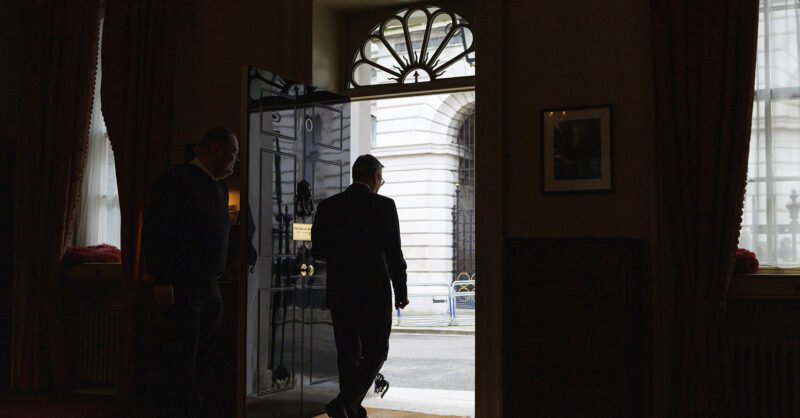
In the past 24 hours there have been briefings from supporters of both Wes Streeting and Angela Rayner about how they might move against Starmer in the aftermath of the result. The Prime Minister’s claim in a Sunday Times interview last week that he would lead Labour into the next general election already looks a bit unrealistic, and the silent majority of Labour MPs whom he claimed to have the backing of have remained pretty silent since the interview was published.
On Starmer’s fate, Ailbhe in her column this week cites the opinion of Cabinet and No 10 insiders that he would only be willing to step down about a year before the next election. And over in the Times today Patrick Maguire suggests the PM could allude to stepping down before the election, to let a new leader fight it for Labour, in a forthcoming speech.
So perhaps after the gambit of that self-confident interview, the PM is starting to face up to the reality – accepted by members of his own cabinet and not even ruled out by some of them in broadcast media interviews – that he will probably not lead the Labour Party into the next election.
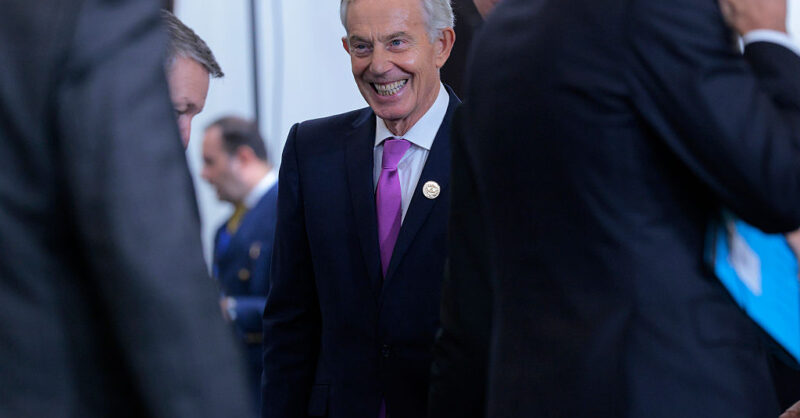
This, though, opens a new problem: if you’re not staying, then why not go now? That nagging question comes to blight all supposedly “lame duck” prime ministers. It was the fear of being stuck in such a position that led Tony Blair to finally destroy his relationship with Gordon Brown by claiming on the eve of the 2005 election that he would serve a full third term, despite the pair’s deal that Brown would take over sooner. That move kept Blair in place for a few more years but eventually blew up in his face and led to Brown taking over.
Subscribe to the New Statesman today and save 75%
Then there is the inverse example from a less politically adept prime minister than Blair: David Cameron. During the 2015 election campaign, he offhandedly announced in a broadcast interview that it would be his last election and that he would hand over to a successor at the close of his second term. It was intended to bolster his image as the country’s natural leader during the campaign, and also to set out the path to a smooth and orderly transition. Instead it set hares running among leadership hopefuls, among them Boris Johnson, as they dashed to position themselves to replace Cameron by doing rash things like leading the Vote Leave campaign. Cameron, of course, ended up leaving No 10 just a year into that second term.
The precedents in our system seem to suggest that lame-duck prime ministers rarely last as long as they hope. Does Starmer have the unique political talents to break the mould?
This piece first appeared in the Morning Call newsletter; receive it every morning by subscribing on Substack here
[Further reading: Labour faces a local election wipeout in England]
Content from our partners
Related