The 2026 World Cup Will Be the Most Polluting Ever
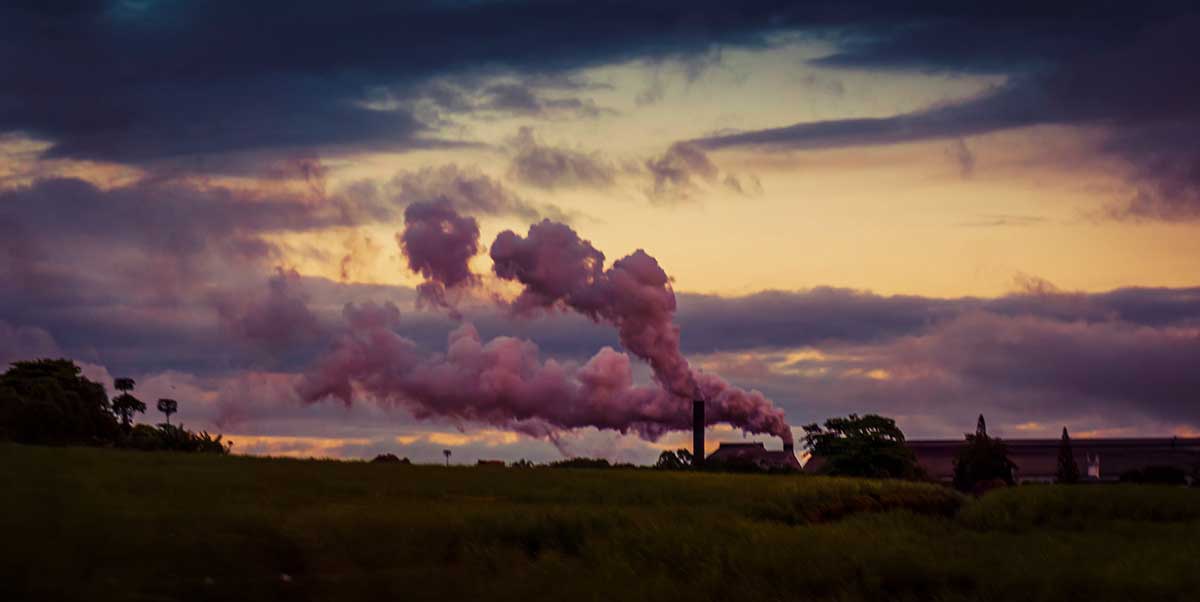
Nine million tons of carbon dioxide equivalent. That is the projected climate cost of the 48-team, three-country, 16-city soccer tournament that kicks off June 11 in Mexico City — nearly double the average emissions of every World Cup held between 2010 and 2022.
The figure comes from a peer-reviewed analysis published by Scientists for Global Responsibility, the Environmental Defense Fund, Cool Down, the Sport for Climate Action Network, and the New Weather Institute. Their conclusion: FIFA’s decision to expand the tournament and spread it across a continent has locked in a climate footprint that no amount of host-city recycling or LED lighting can offset.
Which makes the question of which host cities are doing serious sustainability work more important, not less. Their practices will outlast the tournament.
The Problem Is Structural
World Cup-related team air travel will account for roughly 7.7 million tons of CO2-equivalent — about 85% of the total, according to the SGR analysis. That is the direct consequence of two FIFA decisions. First, the tournament grew from 32 to 48 teams and from 64 to 104 matches. Second, FIFA chose to hold those matches across Canada, Mexico, and the United States rather than concentrate them in a single region.
The contrast with the previous tournament is stark. Qatar 2022 kept its eight stadiums within 34 miles of each other. The shortest distance between 2026 stadiums, from MetLife in New Jersey to Lincoln Financial Field in Philadelphia, is 95.5 miles. Most teams’ itineraries cover thousands of miles. One UEFA playoff winner, according to a Fossil Free Football analysis, could travel Toronto to Los Angeles (2,175 miles), then Los Angeles to Seattle (932 miles), then, in the knockout rounds, another 2,500 miles to Boston.
FIFA does not set binding emissions limits for host cities, and it did not address the underlying decision to spread the tournament across North America. SGR’s researchers urged FIFA to reverse the team expansion, set mandatory environmental standards, and end sponsorship deals with high-emitting companies, including the Saudi oil company Aramco, whose sponsorship is estimated to result in an additional 30 million tons of CO2e due to energy sales linked to the tournament’s promotion.
The Heat Risk Nobody Planned For
Climate change is not just an abstraction measured in tournament emissions. It is a condition players and fans will experience in real time. The SGR/EDF report assessed heat, flooding, and extreme weather risk at all 16 stadiums. Six face extreme heat stress due to Wet Bulb Globe Temperatures above 80°F, the threshold where exertion becomes dangerous. Eight of the 16 cities require what the researchers called immediate environmental intervention. Four need critical intervention, according to the report.
AT&T Stadium in Arlington, Texas, which will host nine World Cup matches — more than any other venue — experiences 37 days per year above 95°F, with July wet bulb readings that exceed FIFA safety thresholds.
Houston’s NRG Stadium faces simultaneous heat, flooding, and wildfire risk.
Los Angeles contends with wildfire smoke.
Miami faces hurricanes.
Where Host Cities Lead, and Where They Lag
A sustainability ranking published by World Sports Network in April 2026 attempts to score the 16 host cities across transit access, electric vehicle infrastructure, waste, air pollution, urban greening, and greenhouse gas emissions. The methodology has limits — it weights all factors equally, uses stadium-specific data alongside city-wide data, and includes some questionable proxies — but its directional finding is consistent with what urban sustainability researchers have long documented about the climate in North American cities.
Vancouver tops the rankings. British Columbia generates roughly 95% of its electricity from renewable sources, largely hydropower. BC Place sits in the center of Vancouver, with 26 public transit stops within a 10-minute walk. Fans can reach it by SkyTrain or bus. That single design decision eliminates most of the vehicle trips and parking-lot sprawl that define a typical U.S. stadium day.
Boston ranked second, the highest-scoring U.S. city. That is less about inherent greenness than about what severe flooding has forced the city to prepare for. Boston experienced 19 days of flooding in 2024, and sea levels around the city are projected to rise 20 centimeters by 2030 relative to 2000. The city’s Building Emissions Reduction and Disclosure Ordinance requires large buildings to cut emissions to net zero by 2050, with interim targets that have already tightened performance at Gillette Stadium’s surrounding infrastructure.
Mexico City placed third, Toronto fourth, Monterrey fifth. The pattern shows that four of the top five cities are outside the United States, even though 11 of the 16 host cities are American. Mexico City’s transformation from one of the most polluted major cities in the world into one of the Americas’ most active urban reforesters, with over 27 million trees and plants added between 2018 and 2021, is the kind of long-horizon work that does not fit inside a tournament timeline but shapes what that timeline makes possible.
The American Transit Problem
Every U.S. host city except Boston falls in the bottom half of the WSN ranking, and the reason is almost always the same: transit.
AT&T Stadium in Arlington has no public transit stops within a 10-minute walk. Hard Rock Stadium in Miami, which will host seven matches, sits 17 miles north of downtown Miami with no rail connection. SoFi Stadium in Inglewood, MetLife in East Rutherford, and NRG in Houston all require a car, a shuttle, or a rideshare for most attendees.
Dallas-Fort Worth is ranked third in the world for transportation-related greenhouse gas emissions, a structural problem no single event can fix. The Dallas organizing committee has built a sustainability plan in collaboration with the University of Texas at Arlington’s chief sustainability officer, Meghna Tare. It addresses waste management, single-use plastic reduction, composting, and community legacy. The North Central Texas Council of Governments has designed a charter bus system to fill the transit gap for the nine matches AT&T Stadium will host. These are real efforts. They also show that when infrastructure is car-dependent, event-specific workarounds can reduce harm but don’t substitute for the public transit that does not exist.
What This Means Beyond the Tournament
The 2026 World Cup will be a 34-day event watched by a projected 5 million in-person fans and up to 6 billion viewers worldwide. The emissions it generates will dissipate into an atmosphere that cannot tell tournament carbon from commuting carbon. What will persist are the infrastructure choices each host city makes now, including whether transit lines are extended or not, stadium renovations that meet LEED standards or do not, food recovery programs that continue operating after the final match or get packed away with the branded signage.
These are not reasons to hate world football. It’s the Beautiful Game, and its governing body, FIFA, can make changes to reduce the tournament’s impact and protect players from heat-related injuries.
Post navigation