Mark Zuckerberg Looks to SimCity 2000 Idea to Power AI Data Centers
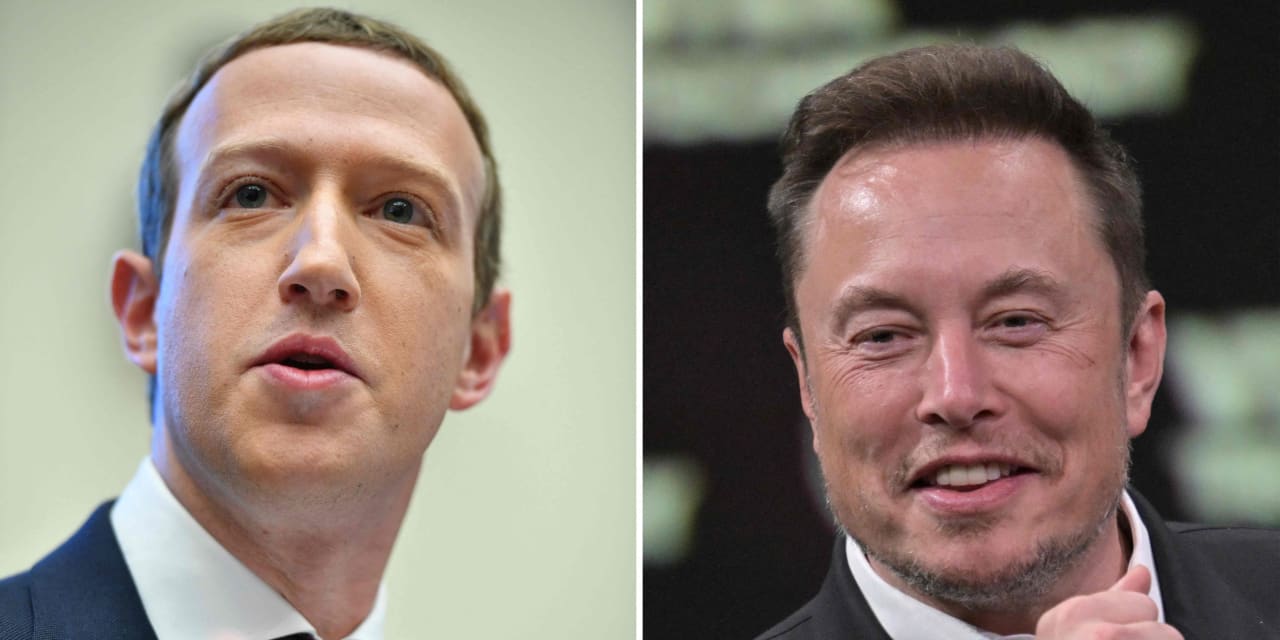
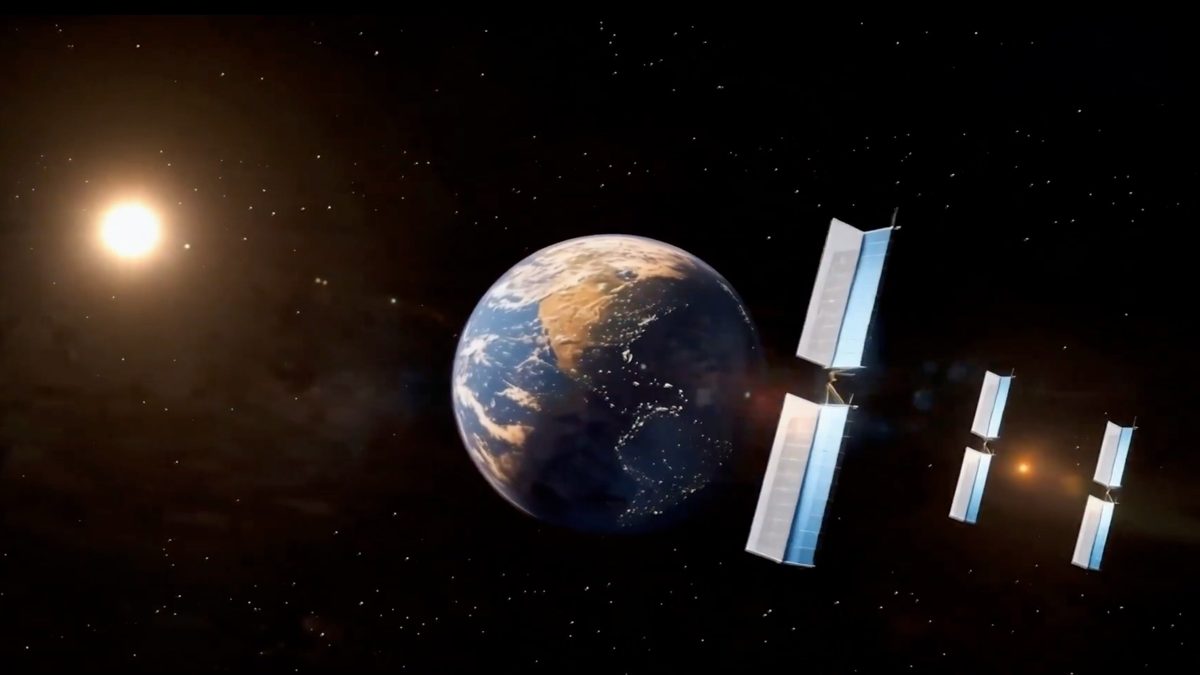
To power AI data centers, Mark Zuckerberg’s Meta is looking to an idea straight out of SimCity 2000: Using orbiting satellites to beam solar energy down to Earth. Meta is partnering with a Virginia-based startup, Overview Energy, which is developing a fleet of satellites to harness solar energy in Earth’s orbit. It’s a bit different from the emerging orbiting data center market, since the satellites will be designed solely to beam energy to solar farms on the ground. In contrast, other companies, including SpaceX, envision packing their data center satellites with GPUs and giant solar panels. Meta's goal is to transmit up to 1 gigawatt of space solar energy, "increasing the capacity of existing solar farms by enabling around-the-clock energy production," since solar farms need to go idle at night.The idea is reminiscent of the classic PC game SimCity 2000, which featured the Microwave Power Plant that also used space solar energy, a concept that's been around for decades. The US government even investigated the idea, but pointed to numerous technical, economic, and environmental uncertainties.Microwave Power Plant(Credit: simcity.fandom.com)In SimCity 2000, the power plant also relied on orbiting satellites to beam microwave signals, but these satellites occasionally caused fires when the beam missed the power plant’s main dish. Overview Energy plans to mass-produce satellites equipped with lasers that will use near-infrared light not visible to the human eye to transmit the space solar energy to receivers on the ground at existing solar farms. Meta sees the approach as a way to squeeze more energy from those solar farms. “Because the technology will build on solar infrastructure that’s already in place rather than requiring new facilities, it can come online faster at scale than traditional buildouts,” the company says. But not everyone sees space solar energy as a viable concept. SpaceX CEO Elon Musk slammed the idea over a decade ago, calling it “the stupidest thing ever.” Musk argued that simply placing a solar panel on the ground could gather more energy during the day than collecting, beaming, and converting energy from space to Earth. "Take any given solar cell: is it better to have on Earth or in orbit? What do you get from being in orbit? You get twice as much sun, best case. But you've got to do a conversion. You've got incoming photons that go to electrons, but you have to do two conversions you don't have to do on Earth. You've got to convert it to photons and then convert those photons back into electrons,” he said at the time. The costs of Overview Energy's approach and how many satellites will be needed remains unclear. But the startup will likely need many of them to generate 1 gigawatt, which can amount to about 1.9 million solar panels, according to the Department of Energy. In the meantime, Overview Energy says it completed a technology demo in November using a plane flying at night equipped with lasers. "It marks the moment when the idea of space solar energy becomes more tangible. The core elements work. The safety holds. The next steps are clear," the company wrote. The company is aiming to conduct a “low Earth orbit (LEO) pilot in 2028 that demonstrates the full system in space,” before launching a larger satellite system in the 2029 to 2030 time frame. In December, TechCrunch reported that Overview Energy had raised $20 million in funding.