Donald Trump briefly felt spiritually close to the mainstream media. Then Elon Musk tweeted
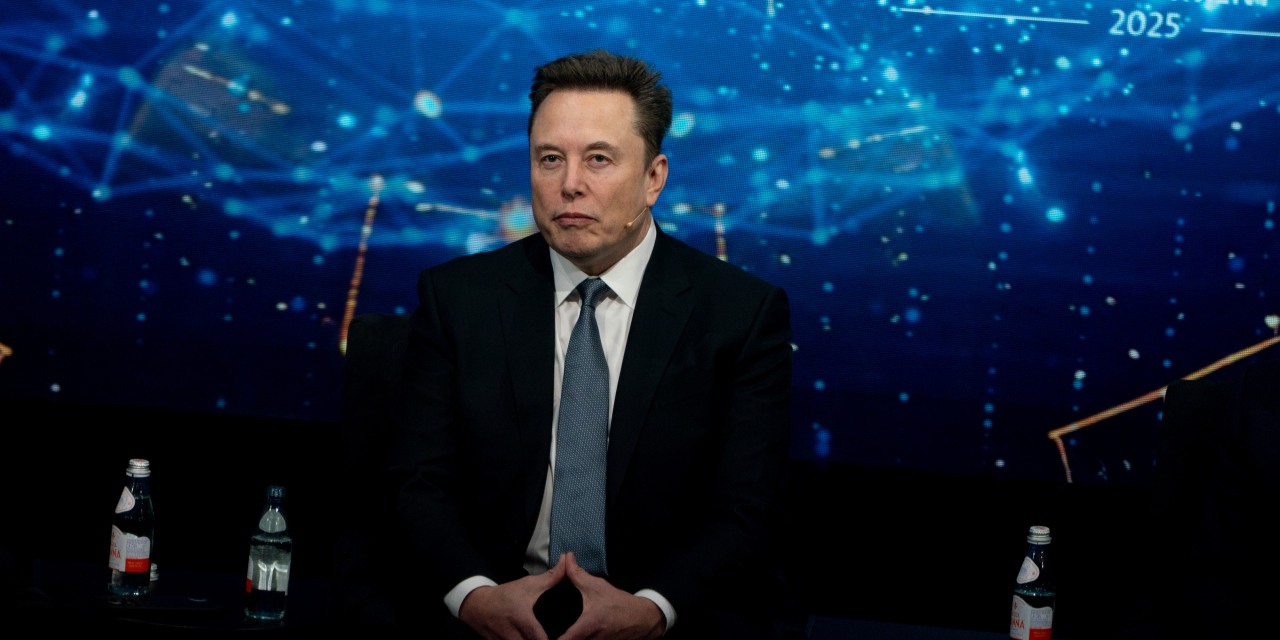
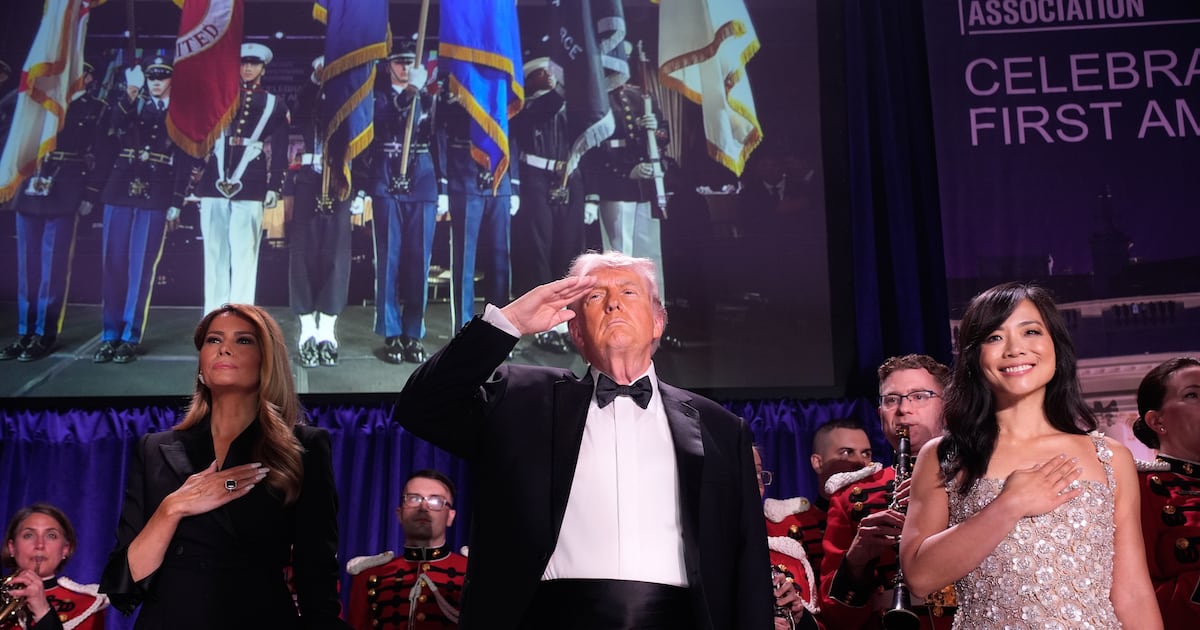
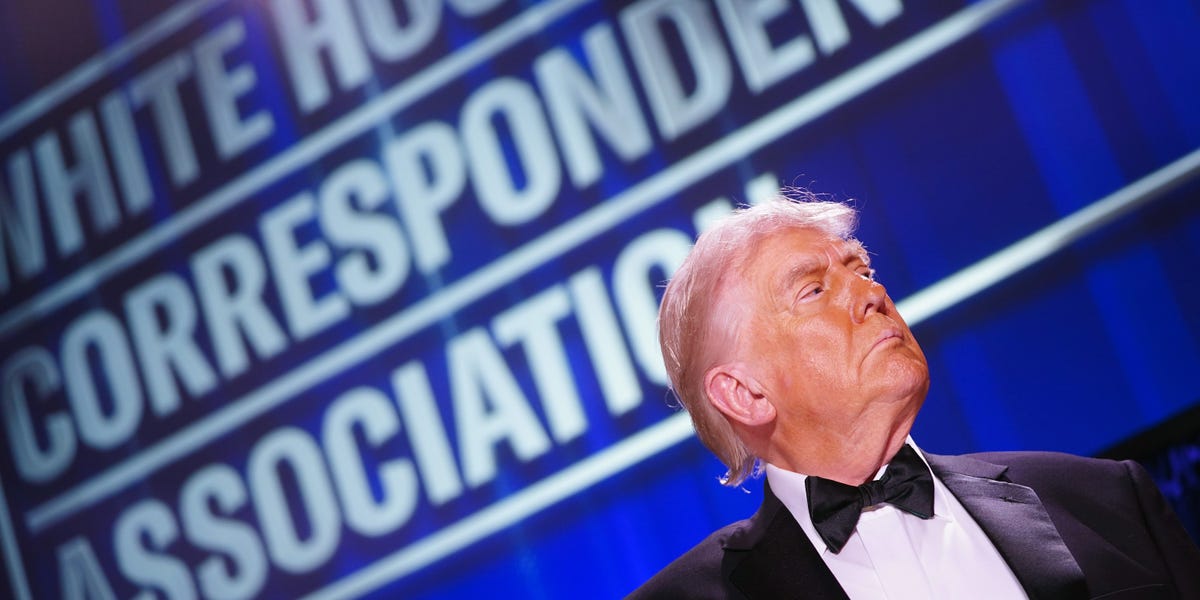
Confirmation that Donald Trump would attend the White House Correspondents Dinner for the first time as commander in chief changed the dynamic of an event that had flagged since its ritzy, celebrity-infused high point of the Barack Obama era. The details marked an abandonment of a tradition: no comedian present to “roast” the United States president and other assembled stars of politics, American journalism and celebrity gadflies. Instead, Oz Pearlman, the “mentalist” would provide the entertainment – and the roast would be delivered by Trump alone.The switch in format generated both expectation and disquiet. The White House Correspondents Association (WHCA) annual dinner and awards is conceived as a celebration of the First Amendment right to freedom of speech. But over the past decade, Trump’s attacks on the media institutions he deems hostile to his politics have been relentless. Since his return to office in January last year, the relationship between the administration and those outlets who cover it has been little short of poisonous.READ MOREDonald Trump’s dinner with the media descends into chaos as gunman storms hotelFormer TD Jim Glennon confirms he wrote character reference for convicted child abuserWho is Cole Tomas Allen, the suspect in the White House correspondents’ dinner shooting?Paul O’Connell: ‘I see little difference between a Limerick rugby player and one from a Dublin private school’The administration believes that most mainstream media outlets are out to sabotage its every policy and decision and are unfair in coverage of Trump.[ ‘It’s a dangerous life’: Media-loving Trump reflects on a third assassination attempt ]As secretary of war Pete Hegseth put it on Saturday night, leaning into his talent for the unfortunate phrase as he entered the Hilton hotel ballroom: “I’m amped to support the greatest president our country has ever had. If he wasn’t here, you couldn’t catch me dead at this thing.”The moment was emblematic of the disorienting nature of covering a presidency that is relentlessly unorthodox, eventful and unabashed about calling out coverage it deems contrary to its aims. Trump’s attendance, and the WHCA’s acquiescence, caused disquiet among some of the commentariat. On his weekly show, comedian Stephen Colbert made it clear he would not be at the dinner in Washington. “But for reasons that are not clear to me, many others will.” The comic, who has engaged in a bitter two-way feud with Trump, was making the point that the media cannot complain about the suppression and threat to the First Amendment and press freedoms by the White House yet then willingly socialise and laugh with a president and cabinet they accuse of seeking to erase those rights. The contrary view is that the WHCA is in a bind, that the invitation is extended as a courtesy to the highest office in the land.It meant that Trump’s speech was eagerly awaited, but all of that dissolved in the two minutes of chaos in which gunfire broke out when a lone would-be attacker, Cole Tomas Allen, breached the security perimeter at the foyer level. Shots were fired and the intruder was subdued as, in the ballroom, the “first couple” and cabinet members were rushed from the room as SWAT teams and secret service agents warned guests to crouch for cover. The botched attack generated a storm of questions about the security arrangements and whether it was safe for so many of the president’s cabinet to gather in a public forum.Reporters ask questions as Donald Trump speaks in the White House after shots were fired outside the ballroom hosting the dinner Sunday’s assertion by acting attorney general Todd Blanche that the security protocols worked were, on the face of it, true. The Hilton is a vast, unwieldy building. Putting the entire premises on lockdown was hardly practical. The attacker wasn’t in the same room as the president. He wasn’t even in the same floor. The miracle was that he charged through a presidential security line while carrying weapons and lived to tell the tale and presumably serve the time.[ Who is Cole Tomas Allen, the suspect in the White House correspondents’ dinner shooting? ]“It’s always shocking when something like this happens,” Trump told reporters at a hastily called press conference in the White House on Saturday night.“It’s happened to me a little bit and that never changes. We were sitting next to one another – the First Lady on the other side. And at first I thought it was a tray, a tray going down. I’ve heard that many times and it’s a pretty loud noise. “And it was from quite far away – he hadn’t breached the area at all. They really got him. But it was a gun. And some people really understood that really quickly. I was watching to see what was happening. Probably should have gone down a little faster.”Trump seemed relatively unfazed by the event and cheerfully looked forward to delivering his speech, repeating his wish that the dinner “must” be rescheduled. It is, he said, vital that the deranged acts of “thugs” should not be allowed to hamper presidential engagements. That the event took place in a room filled with journalists meant the retelling and analysis was never going to be underplayed. Had Trump been addressing the annual gathering of Washington’s stamp collectors’ association on Saturday night, then the reportage and eyewitness accounts may have been slightly more restrained. And the cancelled dinner had the entirely unexpected outcome of inducing in a president who usually relishes in his disdain for the media a feeling of spiritual closeness.“This was an event dedicated to freedom of speech that was supposed to bring together members of both parties with members of the press,” he said. “And in a certain way, it did. Because I saw a room that was just totally unified. In one way it was a very beautiful thing to see.”That shared experience and sense of unity will hardly last – already Elon Musk, a once-prominent player in the Trump White House, issued a post which hinted at partisan interpretations of what was, most likely, an act of lone derangement: “If they’re willing to die to assassinate, imagine what they will do if they gain political power.”The foiled attack is just the latest episode in the spiralling trend towards politically related violence in US life: from the two previous attempts on Trump’s life to the killing of former Minnesota state house speaker Melissa Hortman and her husband and the grotesque live-streamed videos of the assassination of Charlie Kirk in Utah last September. The debates over comedians, and Trump, and the appropriateness of laughter at the WHCA quickly evaporated in the midst of the latest attempt to add to that terrible litany.