Stream BioEnergy invests €80m in Ireland’s largest food and garden waste biomethane plant
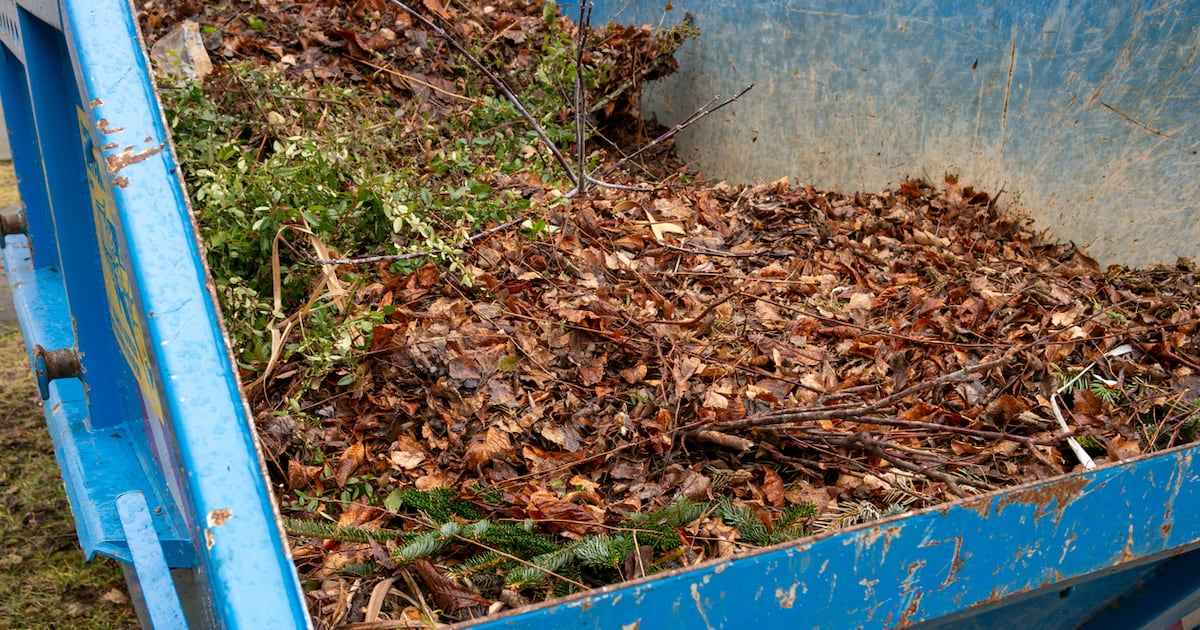
Subsidised biomethane from other countries threatens to undermine a domestic renewables sector critical to Ireland achieving its climate targets and addressing the State’s growing energy needs in a sustainable way, an industry executive claims.Kevin Fitzduff, cofounder of Dún Laoghaire headquartered Stream BioEnergy, says the Government needs to agree a deal with the European Commission on its Renewable Heat Obligation scheme so that Irish biomethane producers can be protected and helped to grow. The call comes as his comapny announced plans to invest €80 million developing Ireland’s largest biomethane facility in Co Cork. .The new facility will process 90,000 tonnes of domestic and commercial food and garden waste annually, Fitzduff says, reducing greenhouse gas emissions by 40,000 tonnes of carbon dioxide while delivering 80 Gigawatt hours (GWh) of renewable biomethane annually.READ MORETrump says Israel-Lebanon ceasefire extended by three weeks, but he will not rush Iran dealIs it too early to say that Claire Byrne is slaying it on Newstalk?‘There were signs of low character’: How Tucker Carlson soured on Donald TrumpMan who died after being hit by bus at Dublin Airport named as publisher John Fleming“At a time when Ireland is under enormous pressure to decarbonise its heat and transport sectors... this project will significantly contribute to Ireland’s decarbonisation efforts and make the country a more energy secure environment in which to live and conduct business,” he said.When fully operational, the facility at Little Island, east of Cork city, will make “a meaningful contribution” to achieving the Government’s target under the National Biomethane Strategy to produce 5.7 Terawatt hours (TWh) of indigenous biomethane by 2030, Ftizduff said.However, for the Government to achieve that target, the Irish biomethane sector must be protected from subsidised imports, he said. “We are calling for a practical solution that would ensure only truly unsubsidised biomethane is eligible for import into Ireland under the obligation, preventing historically subsidised European supply from undermining Irish-produced biomethane and giving the domestic sector the support it needs to scale,” Fitzduff said.“The prompt agreement between the Irish Government and the European Commission on the detail of the renewable heat obligation is critical to ensure the legislative process can be completed to protect and grow Ireland’s biomethane sector.Fitzduff said the Cork plant will also produce sustainable biofertilisers by recycling nutrients from food waste, thereby supporting more sustainable farming and food production.Fitzduff confirmed that Centrica’s Bord Gáis Energy has secured the gas off-take contract for the facility, while some of the largest national and regional waste collection companies will supply waste to the facility.“Biomethane has a critical role to play in reducing emissions across sectors that are difficult to decarbonise, while also enhancing Ireland’s energy security,” said Nicola McSweeney, director of people and interim director of customer and business development, Gas Networks Ireland, which will connect the Cork plant to Ireland’s gas network to deliver the gas nationwide.“Projects like this one in Cork highlight the strong potential of renewable gas to support both climate action and regional economic development.”Fitzduff said that the construction of the facility marks a key milestone for Stream BioEnergy as it delivers on its strategy to build a leading biomethane platform across Ireland and Britain. He said that together with plants it operates in Northern Ireland and Scotland and a pipeline of large-scale projects in Ireland and Britain, the Little Island facility cements the company’s position as a leading developer and operator of renewable gas infrastructure in the two markets.