European holiday hotspot suspends new border control system amid travel chaos
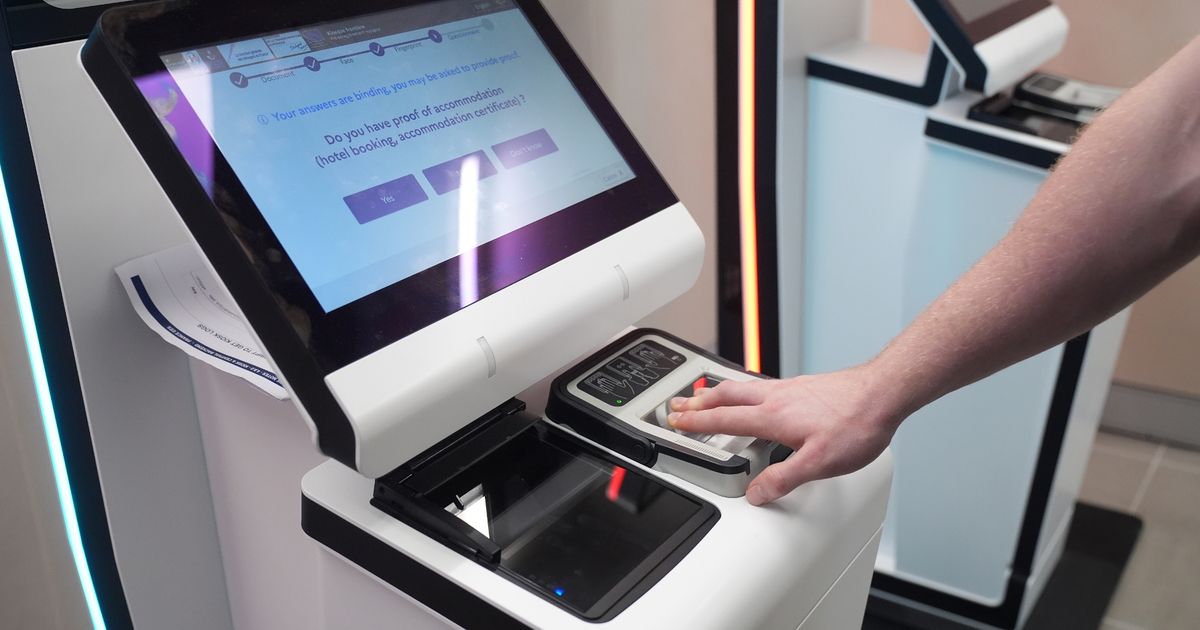
British tourists visiting Greece will not have to use the entry-exit system which has been implemented across Europe, after the roll-out caused travel disruption for thousands of holidaymakers.UK travellers now face new data checks at European airports as the EES had been fully implemented across 29 countries in the Schengen area, which included Spain, Italy and Greece.The new system means that British tourists have to 'create a digital record' when they first travel to the Schengen area. This will require travellers to provide additional information upon arrival at the border, replacing the previous system of passport stamping.Click here to get the biggest stories straight to your inbox in our Daily NewsletterHowever, the introduction of the system has led to significant travel disruptions, with hour-long delays at busy airports including Palma Airport in Spain.Now, Greece has suspended EU fingerprint and facial scans for British holidaymakers. The country has chosen to abandon the new biometric security measures over concerns about queue chaos sweeping across the continent.A statement on the website of the Greek Embassy and posts on official social media channels said: “Update for British passport holders travelling to Greece. “In the framework of the implementation of the Entry/Exit System, as of 10 April 2026, British passport holders are exempt from biometric registration at Greek border crossing points.”An update from the UK Foreign Office issued on Monday, April 20, reads: "Greek authorities have indicated that they will not collect biometric data (fingerprints and photos) for UK travellers as part of EES. Follow the advice of authorities on the ground."The FCDO travel advice for Greece continues: "If you are resident in Greece, make sure to show your residence documentation at passport control to ensure you are not registered in EES."Travel experts at ABTA have said that passengers’ experience of EES has been mixed, with some people having no issues at all whereas others have experienced queues or technical problems, Spanish news site Majorca Daily Bulletin reports.ABTA says that border authorities need to do more to plan for peak travel periods, which should include the use of additional border guards at the busiest times.Mark Tanzer, Chief Executive of ABTA, The Travel Association said: “The ambition of a project like EES means it was never going to go completely smoothly, and we were prepared for that. However, what is frustrating is that border authorities have it within their power to ease queues and deal with issues as they arise – but that doesn’t seem to be happening across the board."As the rollout expands and we head towards peak travel periods, we’re urging border authorities to plan for busy periods and use the contingency measure available."