Does the Iran war spell long-term disaster for BP and Shell shares?
Image source: Getty Images
Any investor who holds Shell (LSE: SHEL) shares will be pleased they do right now. While rising energy prices have rattled global stock markets, they’ve lifted the FTSE 100 oil and gas giant. The Shell share price is up 23% over the last three months and 40% over the year. There’s a trailing 3.23% dividend on top.
Investors in rival BP (LSE: BP) have even more to shout about. The oil giant has had a wretched time since the Deepwater Horizon catastrophe in 2010. That was followed by a messy U-turn on renewables, constant pressure from activist investors, and the relatively quickfire exit of two CEOs.
When I decided to add an oil stock to my SIPP 18 months ago, I chose BP because of its problems, not despite them. The shares were cheap, the yield topped 6%, and I saw recovery potential if it got its act together. I’m still not convinced the BP strategy is fully there, but the shares are up a mighty 63% over the last year and 33% over the last three, otherwise volatile, months. The dividend yield has slipped, but still pays a solid 4.26%.
Where both stocks go in the short run largely depends on events in Iran. Lately, investors have chosen to be more optimistic. Brent crude has eased back to $95 a barrel, and BP and Shell have retreated too. But if the Strait of Hormuz supply route remains under threat, shortages could bite quickly and oil and their stock prices could surge again. Over the next few weeks, anything could happen. But in the long term, this conflict could prove to be bad news for BP and Shell.
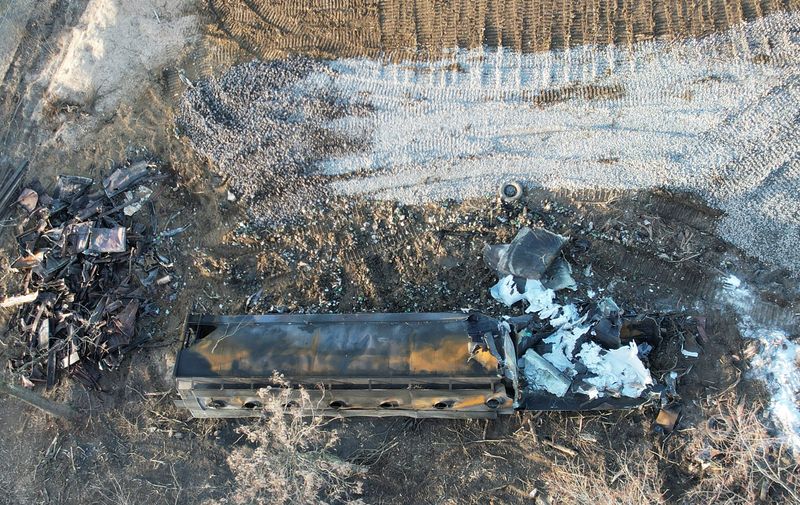
It’s reminded everyone just how essential oil and gas remain to the global economy. But it’s also revealed how exposed importing nations are to supply shocks. Until now, there was at least an assumption that key shipping lanes would stay open. That no longer feels certain. Hormuz has always been a potential chokepoint, but now it’s being throttled. All it takes is one cheap drone to stop a massive tanker.
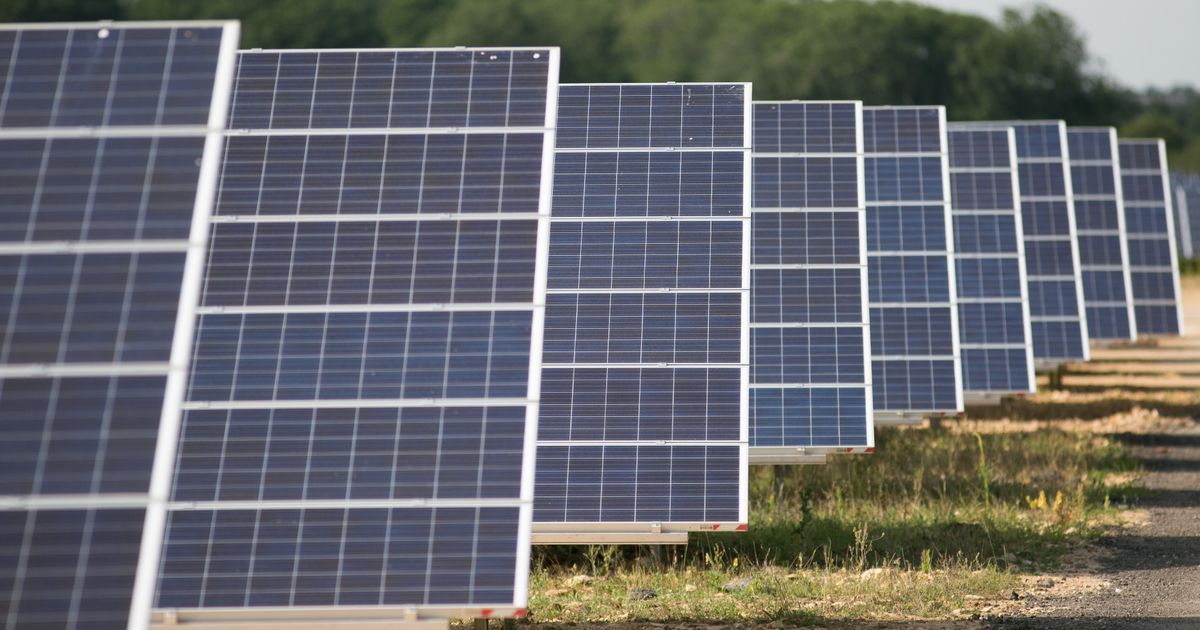
As a result, countries could accelerate plans to cut their reliance on imported oil and gas. China is ahead of the game, and major fossil fuel importers such as South Korea, India, South Africa, Turkey and Italy have fresh incentives to follow. Across Africa, micro-solar is expanding rapidly. Nobody wants to be at the mercy of geopolitical shocks.
If Iran tensions ease quickly, that urgency may fade, but a hard lesson has been learned. The world will still need oil and gas for years, not just for energy but for plastics, fertiliser and pharmaceuticals. Yet this could prove a turning point.
I think both BP and Shell are both worth considering today, as part of a balanced portfolio. But a vague long-term risk has suddenly come into sharper focus. There may be better long-term opportunities out there today.