New border control rules explained after 100 Easyjet passengers stranded in Milan
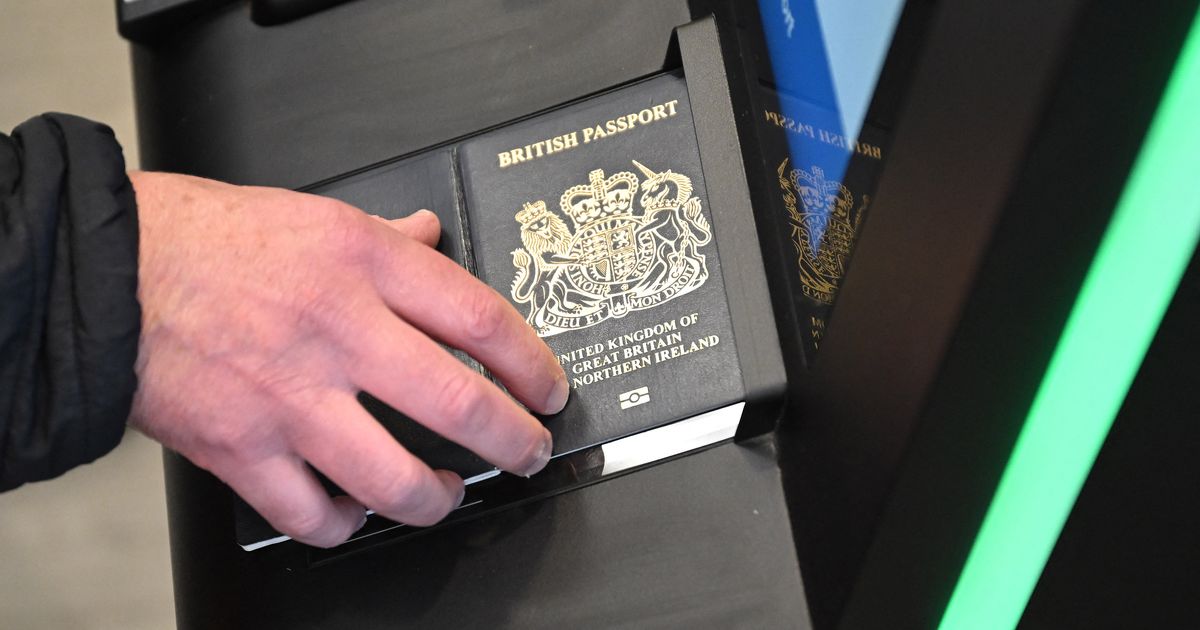
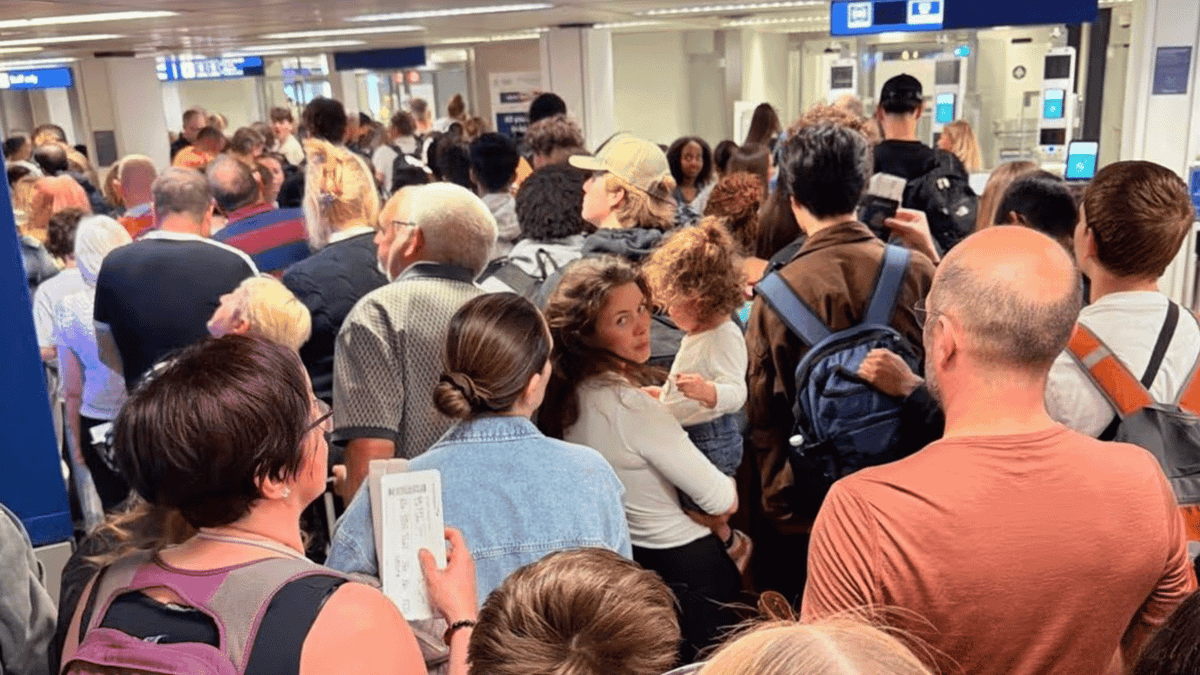
Brits who have recently traveled abroad have been sharing the failures of the new border system which became fully operational in the Schengen area on April 10. With travellers being subjected to long queues and wait times, some have even missed their flights altogether.The new Entry/Exit System (EES) was first trialled in October last year and is a new digital border system that is created to cut down queue times in the long run. However, after being launched across the EU last week, it has resulted in travel chaos for many UK holidaymakers.Instead of showing your passport to a border control officer, travellers from third-party countries - such as the UK, America and Canada - now need to register their fingerprints and facial image through a biometric scanner, which should then record these details for the next three years.While this system was created to reduce time at border control in the future, along with boosting security and preventing illegal immigration, it hasn't been smooth sailing for some. It was reported this week that around 100 Easyjet passengers flying to Manchester were stranded in Milan's Linate airport as they missed their flight home.This was a result of having to stand in huge queues to get through the EES system. Other major airports have also been hit with disruption, including Lisbon and Paris, as travellers have been forced to wait to clear immigration, reports the Mirror.It was also reported that some of the passengers that were left stranded in Milan on Sunday, April 12, claimed that people were passing out and vomiting as they also had to deal with a heatwave while waiting in queues for up to three hours.What is the EES?The European Union's Entry/Exit System was officially rolled out on Friday, April 10, however some airports started trialling the new digital border system from October 12, 2025. This system is for people travelling from third-party countries into the Schengen area.Moving away from officials manually stamping passports when people arrive into the specified countries, travellers will instead need to interact with a machine that will take their biometric and facial recognition.What countries are in the Schengen area?Austria, Belgium, Bulgaria, Croatia, Czechia, Denmark, Estonia, Finland, France, Germany, Greece, Hungary, Iceland, Italy, Latvia, Liechtenstein, Lithuania, Luxembourg, Malta, Netherlands, Norway, Poland, Portugal, Romania, Slovakia, Slovenia, Spain, Sweden, and Switzerland.Cyprus and the Republic of Ireland are not within the Schengen area, which means that the EES is not applicable when traveling to these countries.What does the EES process look like for Brits?When British travellers first visit a country in the Schengen area after the system has been launched, they will be asked to create a digital record at the port or airport on arrival. It is important to note that the EES is free of charge and travellers do not need to fill anything out before they travel.During this process, travellers could be asked to have a photo taken at a dedicated booth and have their fingerprints scanned. Additionally, holidaymakers could also be able to provide their photo or fingerprints when they leave the Schengen area.While the first use of the EES may take "each passenger a few extra minutes to complete", the UK Government has noted that once this is done your EES record could be valid for three years.It is important to not confuse the EES with the ETIAS (European Travel Information and Authorisation System) which is set to be implemented by late 2026. The ETIAS will require Brits to apply for a visa-exemption when visiting the EU. This will cost €20 (about £17.42) but should then be valid for three years.What issues have travellers faced with the EES?Carol Boon, 59, was one of the Brits that was left stranded by Easyjet in Milan this weekend. Speaking to the BBC, she explained that the airport situation had been "very stressful", with other passengers "arguing, someone fainted, someone was sick".Another traveller, Max Hume from Leeds, told the BBC that he had to travel through Luxembourg to get back home as soon as possible, which ended up costing him a whopping £1,800.Since the reports, Easyjet stated that the ordeal was "outside of our control" and that the flight in question had been held back for nearly an hour.The spokesperson added: "These delays are unacceptable and so we continue to urge border authorities to ensure they make full and effective use of the permitted flexibilities for as long as needed so our customers' travel plans are not impacted."Should a customer miss their flight due to EES delays they are offered free flight transfers on a later easyJet flight. For customers who book on other airlines they will need to contact their travel insurance to make a claim."Jet2 also issued an alert to passengers at Faro Airport, Portugal, after reports of "congestion" through the site. A spokesperson from the airport said that "the queues are completely out of our control", before advising: "We kindly recommend customers arrive to the airport as early as possible, to allow plenty of time to make it through."A spokesperson for ABTA, the association of travel agents and tour operators, says: "We’re advising passengers to go straight to passport control as soon as you have gone through check-in and security; that way you get the EES checks out of the way as early as possible."We’re also advising passengers to follow their transport provider's advice on when to arrive at airports/ports etc. If flying, the usual rule is to arrive at the airport for a flight from Europe at least two hours before, so we’d encourage people to apply that as a minimum, but to also check with their airline and airport."