UK Treasury in Talks to Sell Off Key NI Assets to Irish State Fund…
The Financial Times reports on discreet but “advanced” discussions between the UK government and Dublin over a potential transfer of selected Northern Ireland public assets to the Ireland Strategic Investment Fund.
Sources close to the talks describe the move as a “creative fiscal solution” that could help London reduce its long‑term liabilities while giving the Republic a foothold in strategic infrastructure north of the border.
A senior Treasury official, speaking on condition of anonymity, said the proposals were being framed as a “mutually beneficial rebalancing of responsibilities on the island of Ireland”, adding that “where services are already effectively integrated, ownership may as well follow”.
What’s on the table?
While no final agreement has been reached, documents seen by the FT suggest a shortlist of assets under consideration includes:
Translink rail and bus operations, with a view to eventual integration into an all‑island transport network
NI Water, described as a “natural candidate” given cross‑border environmental coordination
Sections of the health procurement system, particularly those already linked to all‑island supply chains
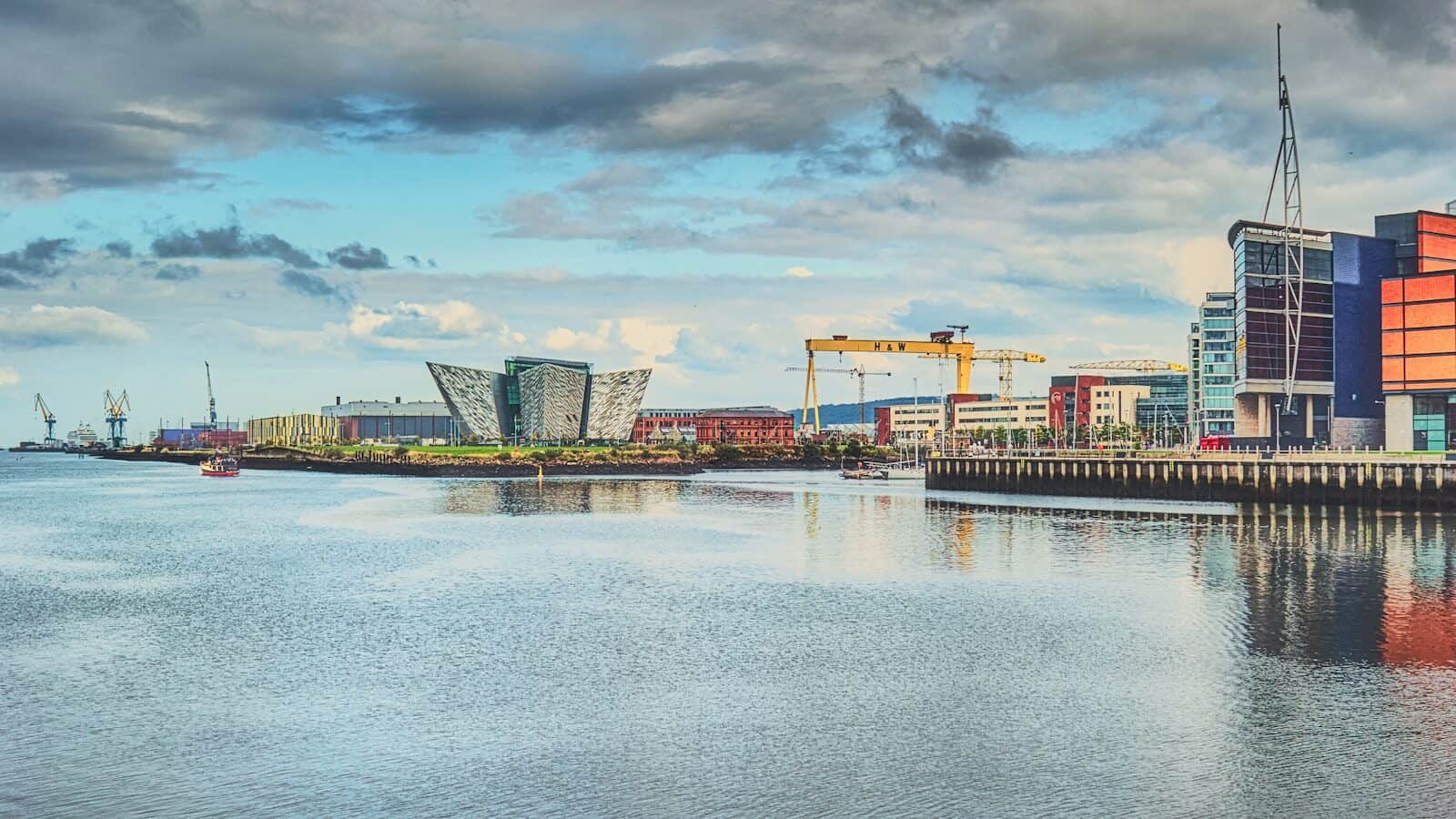
Port infrastructure in Belfast and Larne, though officials stress this remains “highly sensitive”
Belfast International Airport stake, framed as a “commercial co-investment opportunity” to expand transatlantic routes
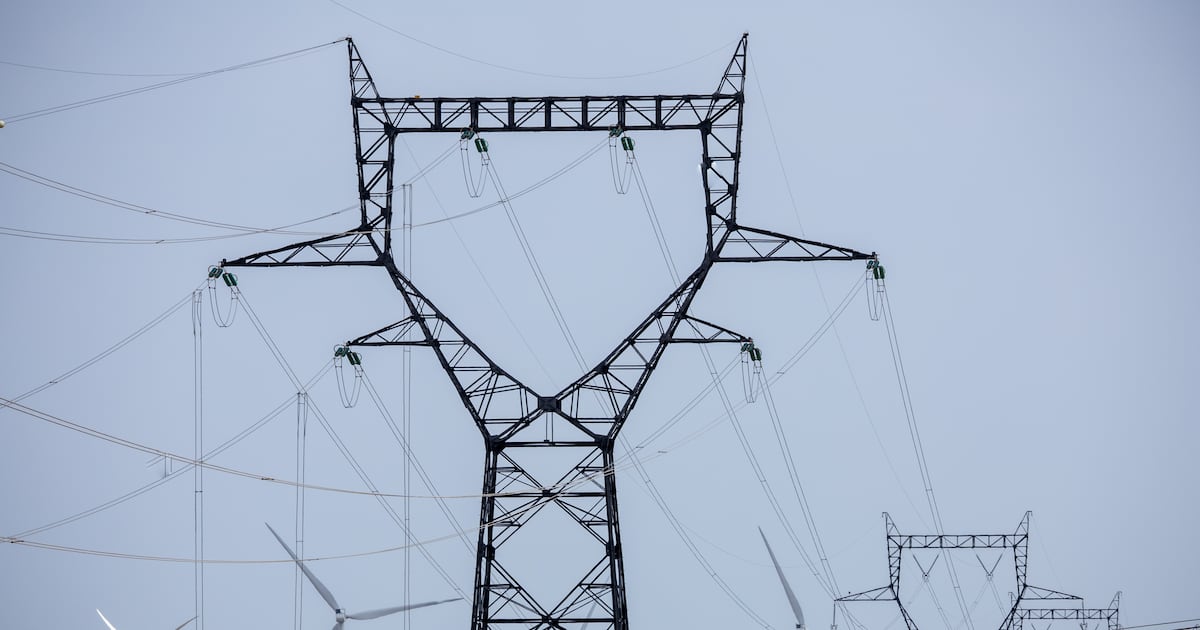
Electricity grid assets (SONI-related functions), to support deeper all-island energy market integration
Tourism NI marketing operations, potentially merged into an all-island tourism body for “brand efficiency”
Forestry and public land portfolios, pitched as long-term carbon and rewilding investments
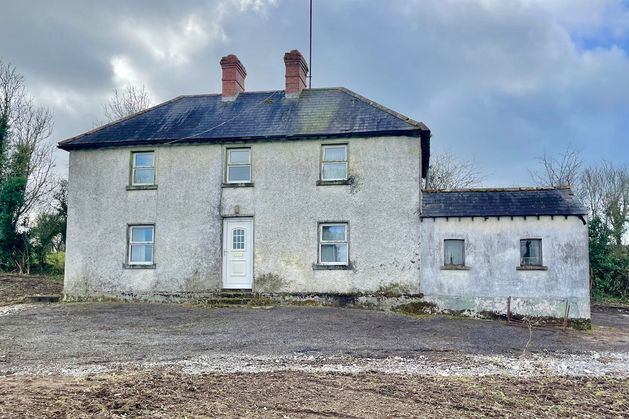
Social housing development pipelines, with ISIF financing new builds in exchange for partial ownership structures
University research commercialisation units, particularly in cyber security and advanced manufacturing
Civil service shared services (HR/payroll and back office), quietly outsourced into a cross-border administrative hub
One source described the list as “aspirational rather than final”, but confirmed that “nothing is entirely off the table if the price is right”.
The logic from London
The UK government is said to be increasingly frustrated with the cost of maintaining public services in Northern Ireland, estimated at over £10 billion annually in subvention.
An internal briefing note reportedly frames the proposal in stark terms: “If Northern Ireland is to remain part of the United Kingdom, it must become more financially sustainable. If not, alternative models of support should be explored.”
Officials are keen to emphasise that sovereignty would not be affected, with one insisting: “This is not constitutional change. It’s balance sheet management.”
Dublin’s quiet interest
In Dublin, the reaction has been cautious but intrigued. The Ireland Strategic Investment Fund is understood to be exploring how such acquisitions could be structured without triggering political backlash.
The fund itself was established in 2014 as the successor to the National Pensions Reserve Fund, with a mandate to invest on a commercial basis in projects that support economic activity and employment in Ireland. Managed by the National Treasury Management Agency, it operates as a sovereign development fund with roughly €28 billion under management, spanning infrastructure, housing, energy and private enterprise investments.
A government advisor noted that “the ISIF already invests in infrastructure and housing. This would be an extension of that mandate, albeit in a politically novel context.”
Supporters of the approach also argue that bringing assets under Irish ownership could unlock access to EU funding streams and European Investment Bank financing that are currently out of reach. One briefing note suggests that “alignment with EU regulatory and funding frameworks would materially lower the cost of capital for major infrastructure projects”, potentially accelerating investment in areas such as energy, transport and housing.
Privately, some see the move as a stepping stone towards deeper integration. Publicly, ministers are sticking to the line that any involvement would be “purely economic”.
Stormont blindsided
Unsurprisingly, news of the talks has caused alarm among Northern Ireland’s political parties.
DUP leader Gavin Robinson described the proposal as “Northern Ireland should not have to pay the price of Keir Starmer’s mismanagement of the economy. Now is not the time to be selling the family silver. Ulster is not for sale!”, while SDLP leader Claire Hanna was more welcoming, calling it “I welcome the reports of constructive engagement between the UK and Irish governments on how to better harmonise all Ireland assets. This is a positive move for North-South relations and a welcome injection of funding into our public services. It is a pragmatic and overdue recognition of the realities on the ground”.
With Stormont only recently restored, there are concerns that the issue could destabilise the already fragile institutions.
A trial balloon or something more?
Officials on both sides insist that discussions remain exploratory. But the level of detail emerging suggests more than idle speculation.
As one well‑placed source put it: “In the past, this would have been unthinkable. Now it’s being modelled in Excel.”
Whether this proves to be a genuine policy shift or simply a well‑aimed trial balloon remains to be seen. Either way, it hints at a future where the boundaries between north and south are shaped as much by accountants as by politics.
For those sceptical that such a move could ever take place, they need to be aware that there is precedent here. The electricity network in Northern Ireland is already owned by ESB, which is Irish government-owned.
More broadly, officials in both London and Dublin are said to harbour quiet doubts about Stormont’s long‑term durability, with some exploring whether a more formalised model of joint stewardship could emerge if the current arrangements continue to falter.
Managing Editor of Slugger O’Toole. I help to manage Slugger by taking care of the site as well as running our live events. My background is in business, marketing and IT. My politics tend towards middle-of-the-road pragmatism; I am not a member of any political party. When not stuck in front of a screen, I am a parkrun Run Director.
Discover more from Slugger O'Toole
Subscribe to get the latest posts sent to your email.