Labour's North Sea tax grab has left Britain vulnerable, says ALEX BRUMMER
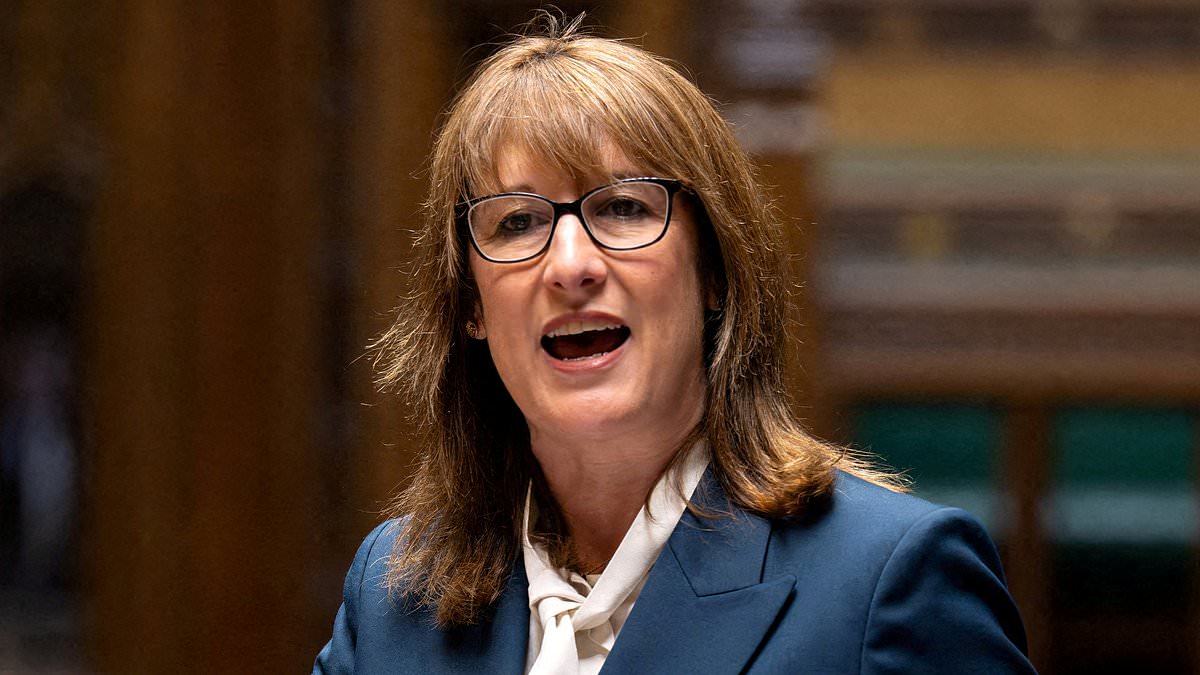
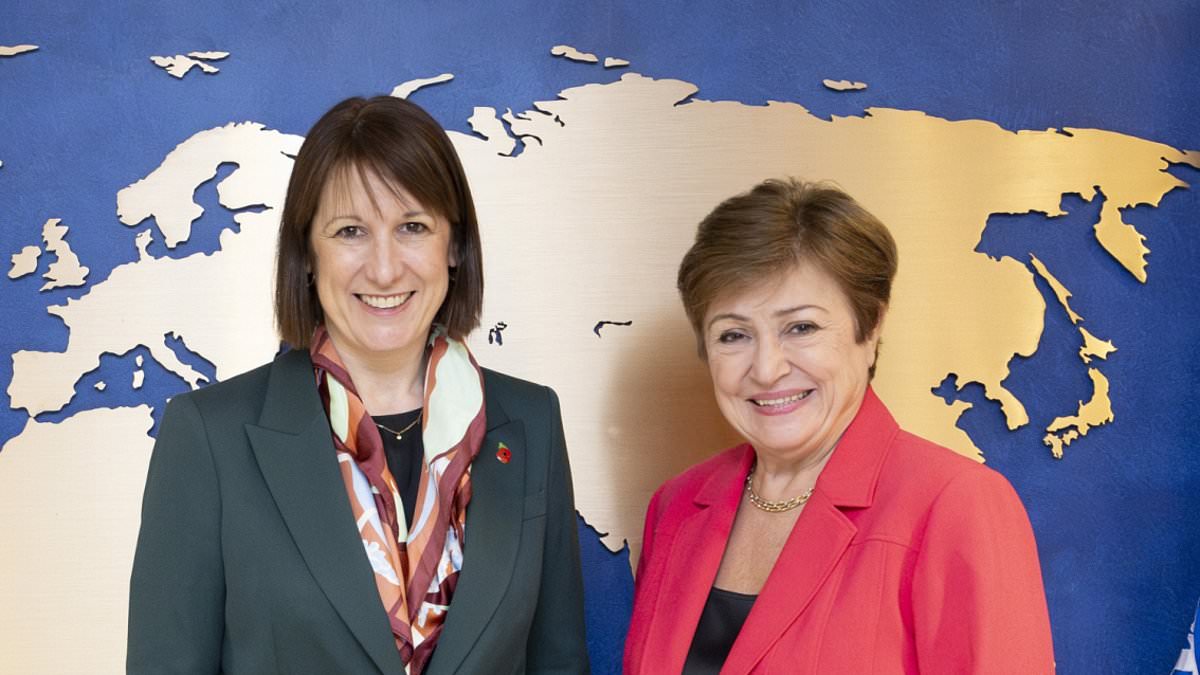
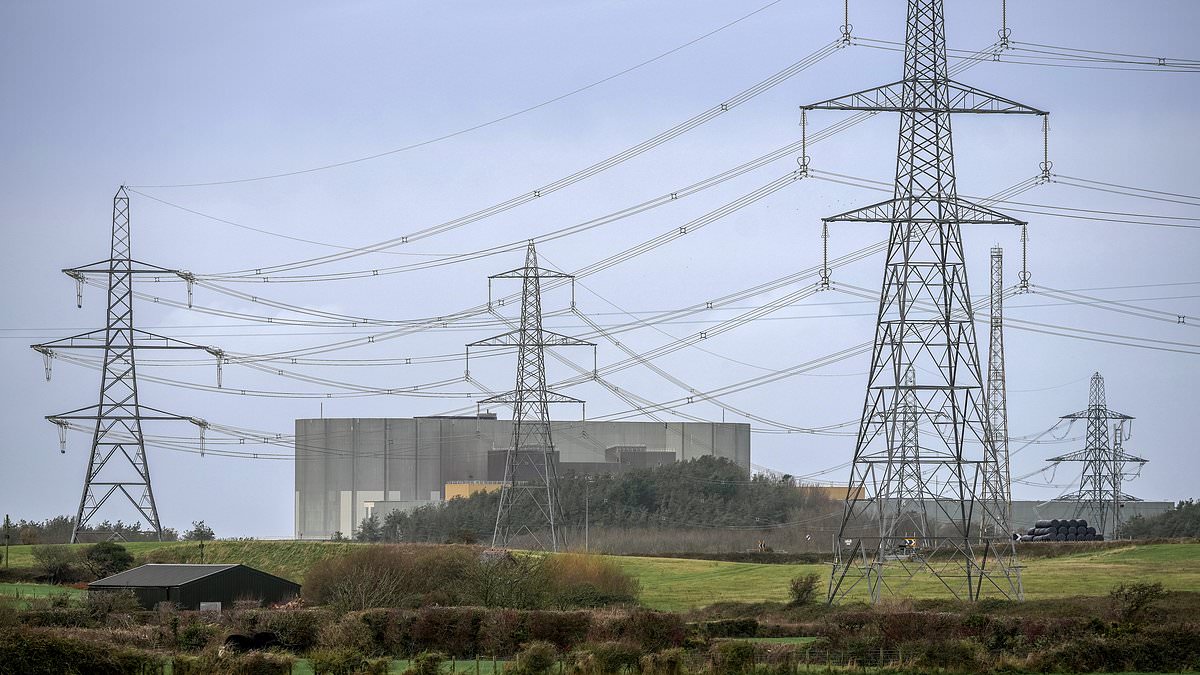
Any hope the Middle East war will have calmed by the time financial officials arrive in the US capital this week for the spring sessions of the International Monetary Fund has quickly dissipated.Donald Trump’s blockade of the Strait of Hormuz means volatility on energy markets is set to persist.Britain’s response has been flaccid. Rachel Reeves is pledging to end that on her scheduled arrival in Washington later today. I say ‘scheduled’ having followed these gatherings long enough to recall former Labour Chancellor Denis Healey’s infamous turnabout at Heathrow five decades ago as sterling plunged on the currency markets, partly because of the UK’s vulnerability to surging oil prices.In recognition that business and manufacturing are suffering, Reeves acknowledged that UK makers have ‘faced uncompetitive energy prices for too long’. Since the start of the conflict, oil has raced up from $70 a barrel to settle around $100.The Chancellor didn’t mention that Labour’s policies are among the causes of stress from rocketing energy prices.The high marginal tax on North Sea producers at 78 per cent and the refusal to allow further production from the Rosebank and Jackdaw fields has contributed to the discomfort of the business community. Tax grab: Chancellor Rachel Reeves' shelved plans to cut the 78% tax on North Sea producers and has refused to allow further production from the Rosebank and Jackdaw oil fieldsThe Chancellor’s first response to the war in the Middle East was to put enterprise on the defensive rather than asking how she could help. Forecourt operators, big oil, and supermarket chiefs were warned against alleged ‘price gouging’.This showed no recognition of the competition on forecourts for the fuel pound and customers, or challenges faced by the big four supermarkets from expanding German no-frills rivals Aldi and Lidl.Reeves’ change of tone is a recognition that the initial socialist response was wrong, and the Chancellor is vowing to assist by addressing business competitiveness. Among the ideas is relief for up to 7,000 businesses from green taxes. That would help but not if they must wait until 2027, as some reports suggest.The real hurt to Britain’s makers and striving workers are higher taxes, most notably the national insurance increase.In addition, there are new burdens such as a punishing packaging tax, employment rights laws, and the minimum wage increase. Each of these hurts commerce.Among the steps Reeves could take to assist households and businesses is to suspend the proposed 5p fuel duty hike from September. She says she will not repeat the mistakes of Liz Truss, who responded to pressure from Labour and opposition benches in 2022 with £70billion of subsidies, some of which went to better off taxpayers.Reeves cannot afford to do much, largely because of Labour’s failure to get any grip on surging welfare costs and the consequences of buying a temporary peace with the public sector and railway unions. The stupidity of that is on full display in the resident doctors dispute.Health Secretary Wes Streeting cautions that if the deal demanded were shared across the NHS, the potential cost to the public finances would be £30billion. Pity no one thought of that when Starmer’s government caved into union pressure in its first months in office.Goldman gainsTrump-induced volatility on equity markets may be confusing for private investors seeking to cash out. But it is a boon for brokers and investment bankers.Goldman Sachs has reported the best first quarter profit on equity trading. Estimates suggest that across the banking sector in the latest quarter, trading profits could reach as much as £30billion.Better not tell the Chancellor.Poor wagerBit alarming to discover that Nest, the default pension fund for opt-in employees, is choosing to invest £450million in American private credit. The timing is curious coming, as it does, as US professionals and personal savers are heading out of largely unregulated private capital funds fearing a blow-up. The Nest decision could prove a stroke of genius, catching a falling knife. But gambling with people’s retirement income, even if it is a small portion of a £60billion fund, cannot be sensible.DIY INVESTING PLATFORMSAJ BellAJ BellEasy investing and ready-made portfoliosHargreaves LansdownHargreaves LansdownFree fund dealing and investment ideasinteractive investorinteractive investorFlat-fee investing from £4.99 per monthFreetradeFreetradeInvesting Isa now free on basic planTrading 212Trading 212Free share dealing and no account feeAffiliate links: If you take out a product This is Money may earn a commission. These deals are chosen by our editorial team, as we think they are worth highlighting. This does not affect our editorial independence.Compare the best investing account for you