Andrew Tate Needs to Activate the Rematch Clause With Chase DeMoor to Regain Credibility
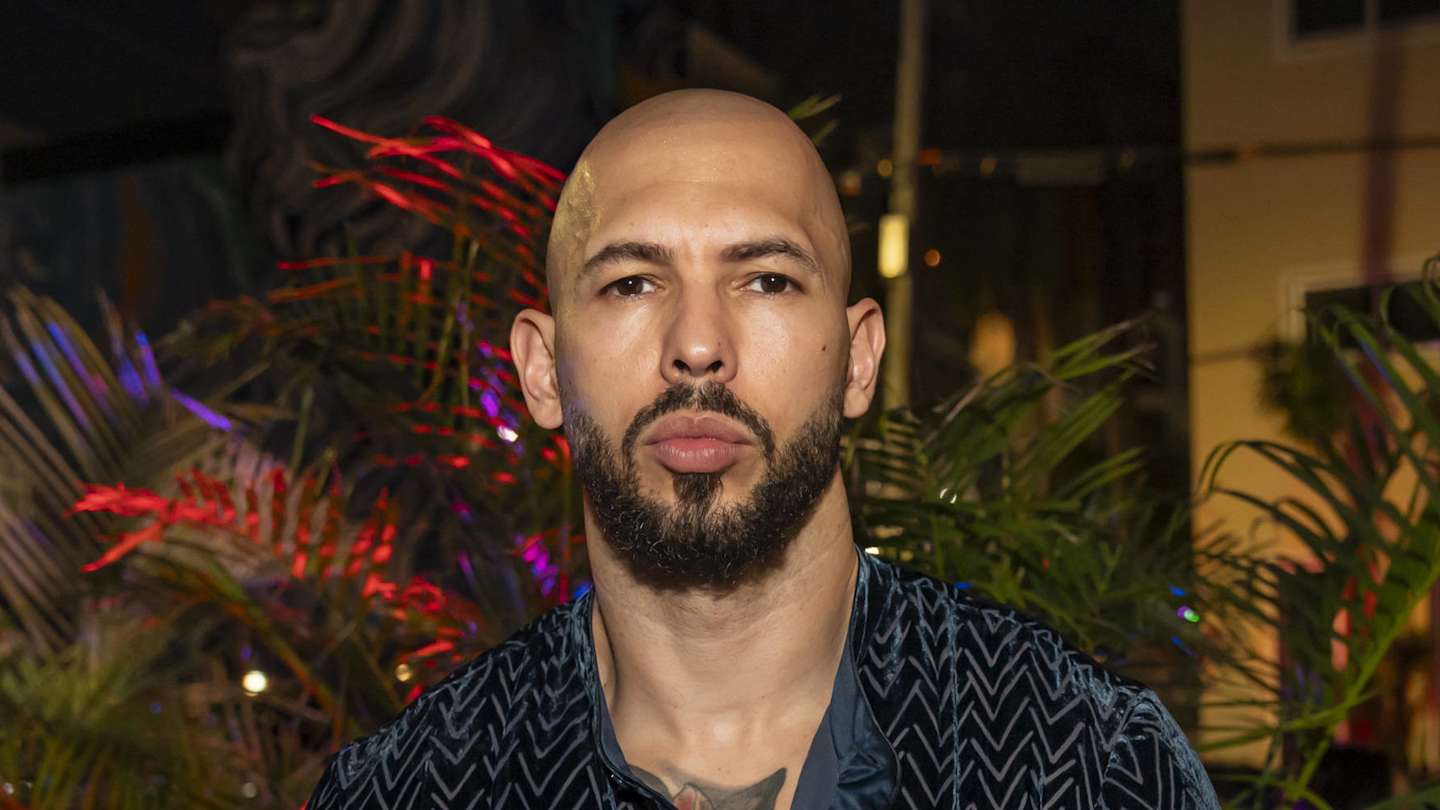
Andrew Tate was once a four-time kickboxing world champion, a status that firmly cemented his reputation as a world-class combat sports athlete. Within kickboxing circles, his résumé was rarely questioned during his active years. However, since retiring and later exploding in popularity on social media, Tate has increasingly faced criticism online, with some claiming he was never a “real” champion to begin with.
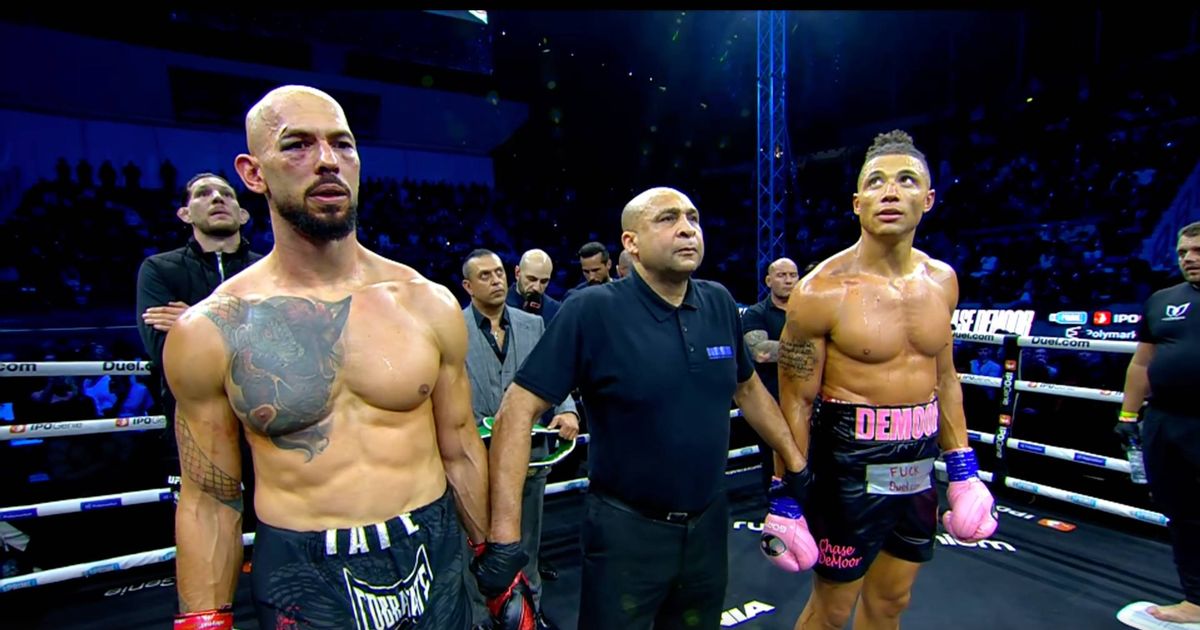
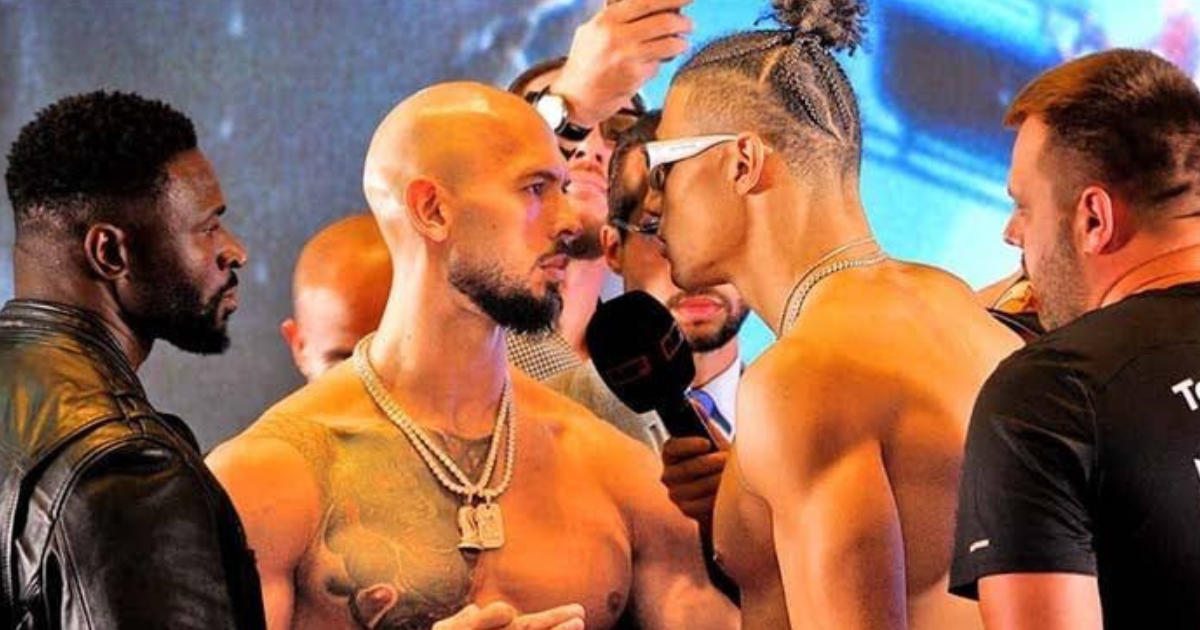
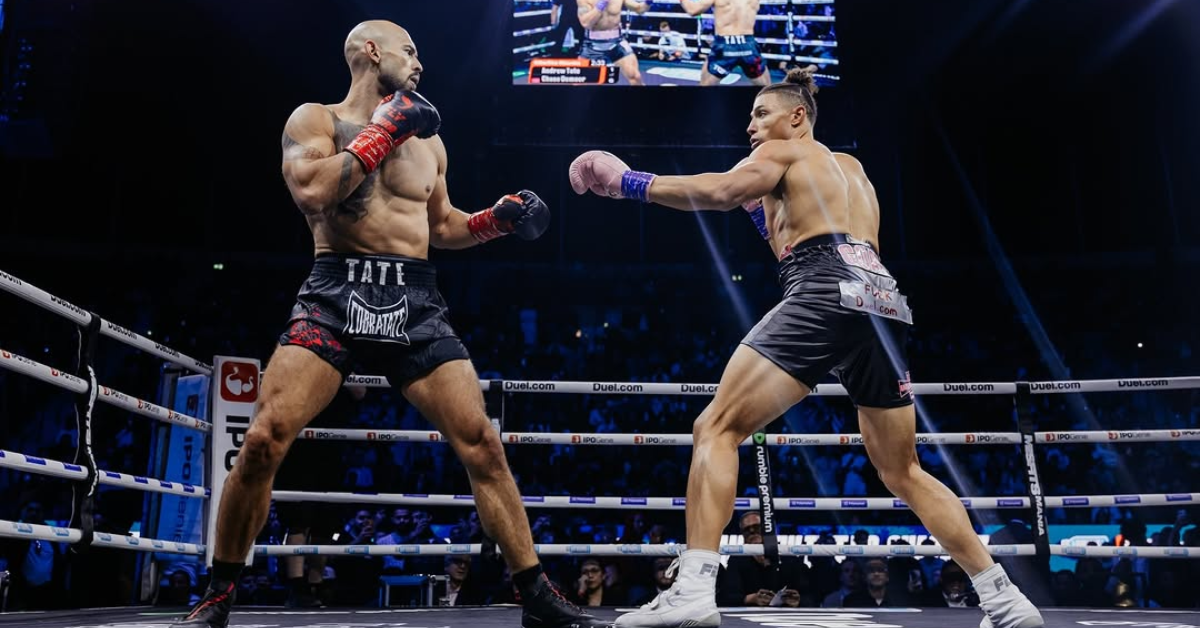
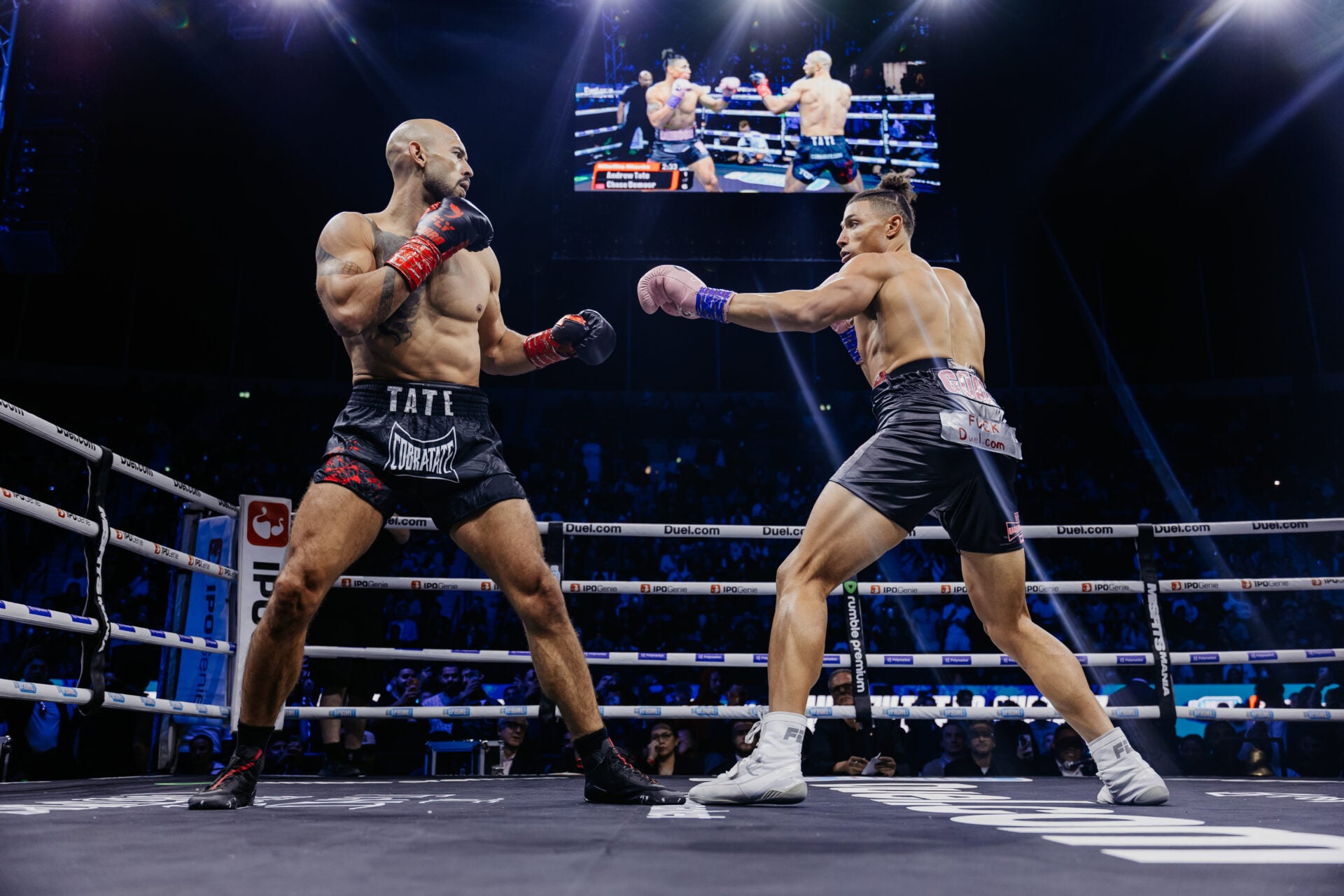
That criticism only intensified after his boxing loss to Chase DeMoor. For many observers, the defeat didn’t just raise questions about the fight itself, but about Tate’s decision to return to combat sports in a discipline far removed from his roots. With a rematch clause reportedly in place, there is now a growing argument that Tate must activate it not for money or attention, but to restore sporting credibility.
SHOP: Kickboxing Equipment
Why Andrew Tate Fighting Was a Risky Move
Stepping back into combat sports was always going to be high risk for Tate. Kickboxing and boxing may share striking fundamentals, but they are entirely different sports with different rhythms, ranges, and defensive demands. Tate built his legacy in kickboxing, where his stance, movement, and threat of kicks shaped how opponents approached him.
In boxing, those tools disappear. Against Chase DeMoor, Tate often looked uncomfortable, hesitant, and constrained by a ruleset that didn’t suit his natural instincts. For critics who were already questioning his legitimacy, the loss became ammunition. To them, it reinforced the narrative that Tate’s reputation was built in a different era and a different sport.
This is precisely why a rematch matters. Walking away allows that narrative to harden. Stepping back in with adjustments, preparation, and something to prove at least gives Tate the opportunity to answer critics inside the ring rather than online.
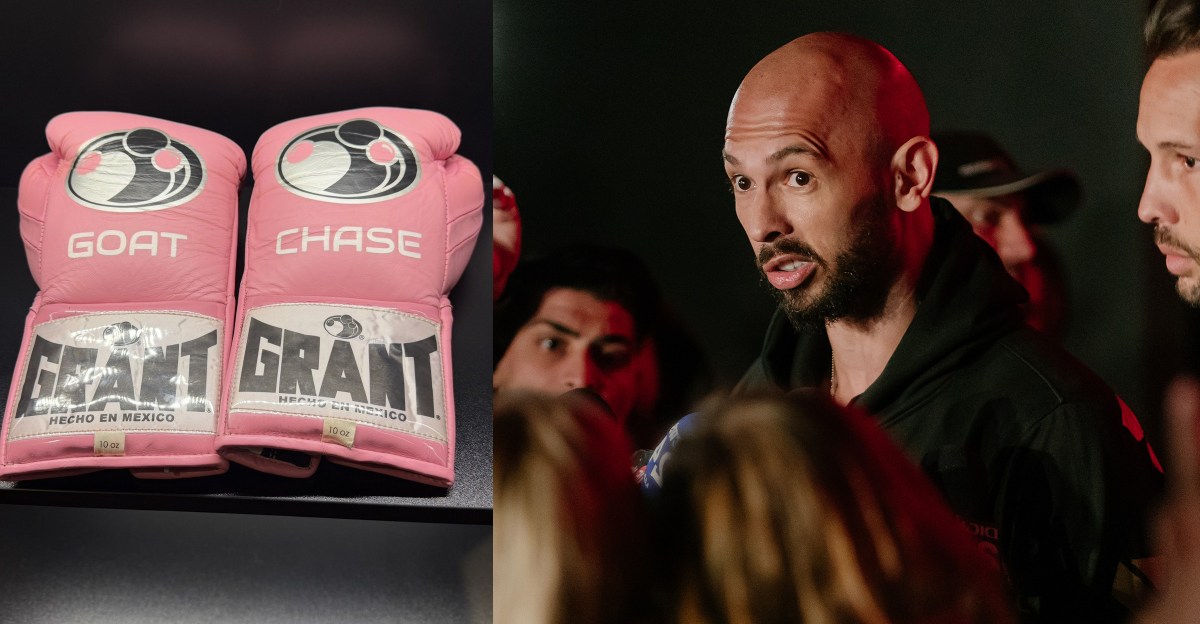
SHOP: The Original Ultimate Boxing Gloves
Tate’s Team Reignites Feud Over Coaching Post
The fallout hasn’t been limited to the fight itself. Tensions have resurfaced between Tate’s team and Sidekick Boxing, a relationship that stretches back to Tate’s kickboxing career. Sidekick Boxing, led by Daniel Knight, previously worked closely with Tate during his competitive years, before the partnership fractured.
In recent days, the feud reignited after Sidekick Boxing posted content discussing how several professionals had criticised Tate’s training and coaching setup. This prompted a response from Tate’s close associate Paul Palcic who is the owner of Super Fight Series, commented:
“Its hardly many boxing experts in articles is it. Its one person. Tbh you just sound salty and its a cheap shot probably because the same coach blocked you a couple of years ago as you were cashing in.”
However, to Knight, that is not that the case and it was just done to get exposure.
Knight claims that Tate’s team made it difficult for them to work together and their relationship fractured. Knight said it was actually Paul Palcic who Tates team wanted Sidekick to block, as he is a promotor it would further make their growth harder.
From Knight’s perspective, the backlash proves something else entirely: that Tate’s team was uncomfortable with Sidekick gaining attention and operating independently in the spotlight.
For Andrew Tate, all of this noise circles back to the same point. Online arguments, Facebook comments, and media disputes won’t change perceptions. Only action will. Activating the rematch clause with Chase DeMoor and delivering a decisive performance is the clearest way for Tate to reclaim control of the narrative and remind people why his name once carried unquestioned respect in combat sports.
READ MORE: UFC Legend Khabib Nurmagomedov Meets Football GOAT Cristiano Ronaldo