


Modern teams create more presentations than ever, yet many still rely on habits formed in an era of projectors and printed handouts. A great digital presentation requires a different mindset, one that accounts for viewers watching on their own schedule, on different devices, and often without the creator present to explain anything. Slidyo was built for exactly this environment, offering AI creation, narrated delivery, secure sharing, and engagement tracking. By pairing these capabilities with a set of proven best practices, teams can create presentations that inform, persuade, and perform consistently across every audience.
Design for the Viewer Who Is Alone
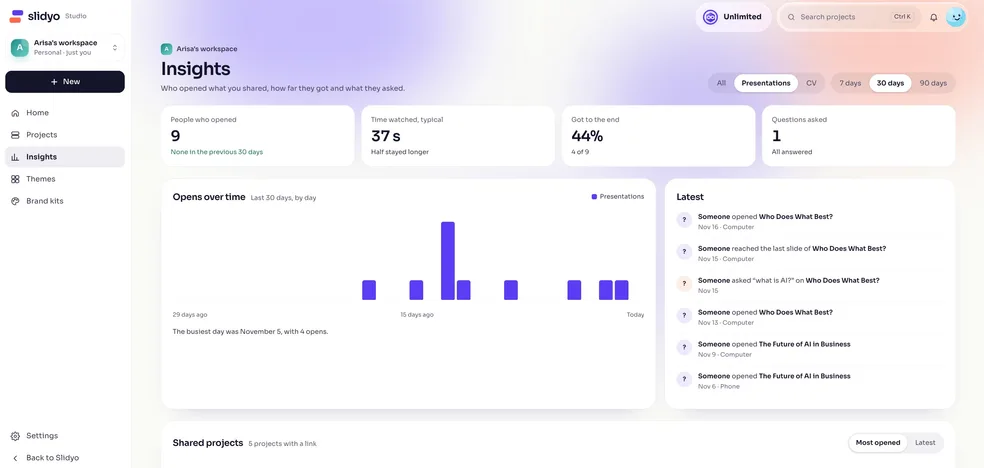
The most important shift in thinking is to assume that the viewer will be alone with the content. There will be no presenter to fill gaps or clarify confusing charts. This means every slide should have a clear purpose, and the overall story should flow logically from start to finish. Slidyo supports this by allowing the AI to narrate the deck with natural voice and captions, but strong content remains the foundation. When slides are designed for independent viewing, narration becomes even more effective.
Keep Every Slide Focused
Cluttered slides are among the most common presentation mistakes. Trying to fit too many ideas onto one screen overwhelms viewers and hides the key message. A good practice is to limit each slide to one main idea supported by a few visual or textual elements. Slidyo's visual highlights help draw attention to what matters most, but they work best when the slide is already focused. Clean slides are easier to read on smaller screens and leave a stronger impression overall.
Start With Structure, Not Design
Many people begin by choosing colors and fonts, but the strongest presentations start with structure. Define the problem, the solution, the evidence, and the next steps before thinking about visuals. Slidyo helps teams begin with structure by letting them describe what they need and having the AI build the content. This produces an organized draft that teams can then refine visually. Starting with structure ensures that design choices support the message rather than distracting from it.
Maintain Brand Consistency
Every presentation a team shares represents the organization's brand. Inconsistent fonts, colors, and layouts weaken credibility, especially when prospects compare multiple decks from the same company. Slidyo's team workspace allows members to share presentations, themes, and a brand kit, keeping every deck aligned with company identity. This practice is particularly valuable for growing teams, where new members may not yet know the brand guidelines. Shared resources reduce errors and save time on corrections.
Make Sharing Effortless and Secure
How a presentation is shared affects whether it gets viewed at all. Large attachments, required downloads, or forced account creation all discourage engagement. Slidyo shares decks through a single browser link that works without accounts or downloads. For sensitive material, teams can add password protection, restrict access to company email domains, and control whether PDF downloads are allowed. The best practice is to match security settings to the sensitivity of the content, keeping access easy where appropriate and protected where necessary.
Invite Questions and Interaction
Presentations become more effective when viewers can engage with them. Slidyo allows viewers to pause and ask questions by voice or text, with answers drawn from the slides and any sources the creator has added. A useful practice is to add supporting material that anticipates common questions, such as product details, pricing explanations, or background research. This ensures that answers are thorough and accurate, turning curiosity into clarity rather than confusion.
Use Engagement Data to Improve
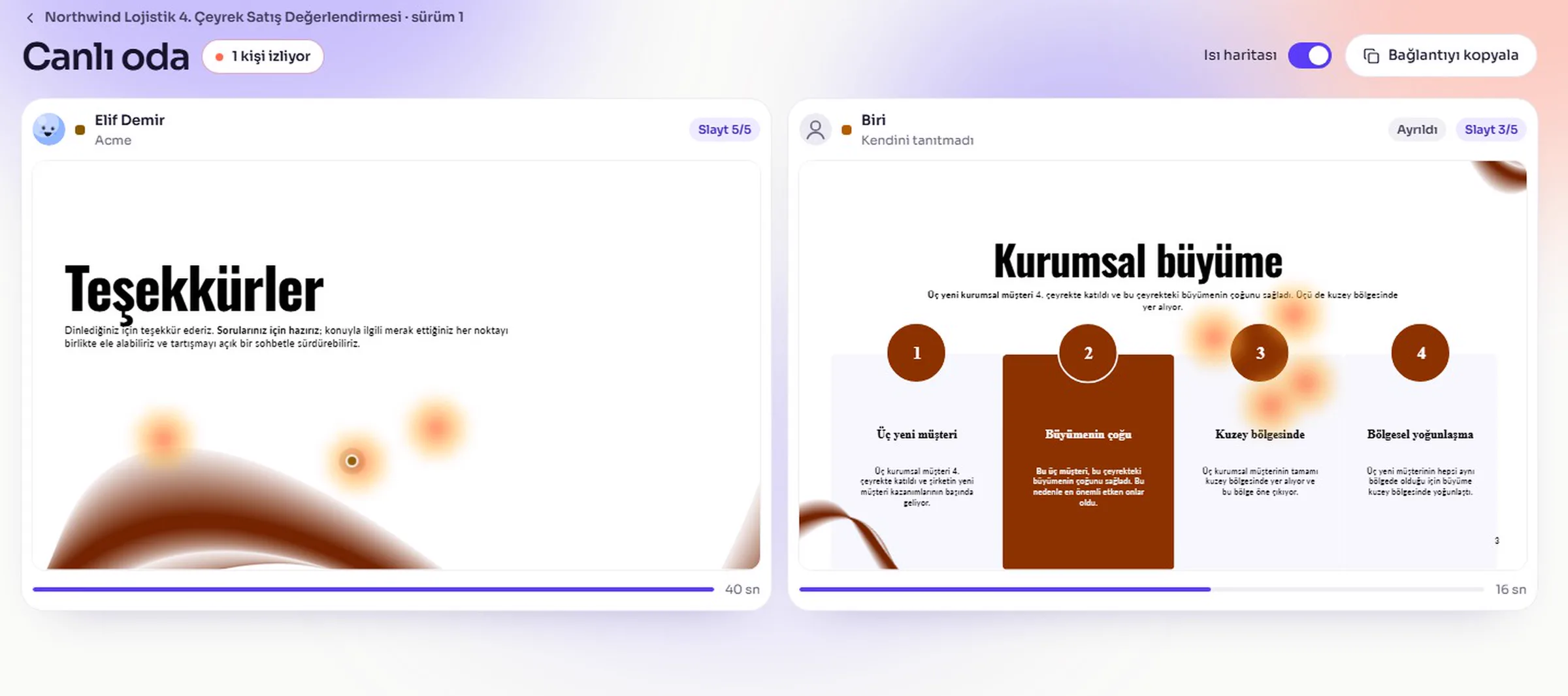
One of the greatest advantages of modern presentations is the ability to measure performance. Slidyo shows who opened a link when they share an email, how long they spent on each slide, where they stopped, and what they asked. Teams should review this data regularly to identify strong and weak sections. Slides with high drop-off rates may need simplification, while slides that hold attention can serve as models for future decks. Continuous improvement based on real data is one of the most powerful best practices available.
Building a Culture of Better Presentations
Best practices are most effective when they become part of a team's culture. Encouraging structured thinking, focused design, brand consistency, secure sharing, and data-driven improvement elevates every presentation the team produces. Slidyo provides the tools to support each of these habits in one workspace, from AI creation to engagement analytics. Teams can start creating for free and build these practices into their daily work. Over time, the result is a stronger, more consistent communication style that helps the entire organization stand out.
Comments (0)