


As automotive technology continues to evolve, smart glass solutions are becoming increasingly popular for improving privacy, light management, and passenger comfort. Automotive Smart Film, based on Polymer Dispersed Liquid Crystal (PDLC) technology, offers a modern alternative to traditional curtains, sunshades, and fixed tinted glass. It allows vehicle glass to switch quickly between transparent and frosted states, providing flexible control over visibility and privacy.
Designed for automotive environments, Shuifa Singyes New Materials' wide-temperature PDLC smart film combines intelligent switching technology with flexible customization, making it suitable for passenger vehicles, commercial fleets, and automotive modification projects.
Advanced PDLC Technology for Automotive Glass
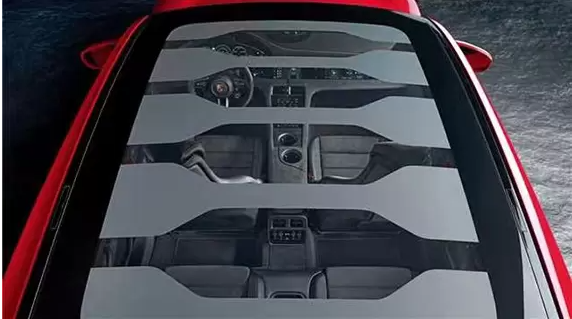
Automotive Smart Film uses liquid crystal technology to achieve rapid switching between clear and frosted modes. When powered on, the film becomes transparent, allowing natural light and visibility. When powered off, it turns frosted, helping create a more private interior environment.
This flexible switching function makes smart film an ideal solution for vehicles that require adaptable privacy and light control. Compared with conventional shading materials, it offers a more integrated appearance without the need for bulky curtains or mechanical covers.
Reliable Performance in Extreme Temperatures
Automotive environments can expose glass systems to significant temperature fluctuations, especially in vehicles parked outdoors or operating in demanding climates. Shuifa Singyes New Materials' automotive smart film is designed to operate within a wide temperature range of -30°C to 100°C.
This wide-temperature capability supports stable switching performance in different seasonal conditions, making it suitable for daily transportation, commercial vehicles, and automotive projects that require dependable operation over time.
Enhancing Privacy, Comfort, and Light Control
Automotive Smart Film provides multiple benefits beyond its switching function. It helps improve the overall vehicle interior experience in several ways.
Privacy Protection: Switching from transparent to frosted mode helps reduce visibility into the vehicle, making it useful for business vehicles, executive cars, and passenger spaces where privacy matters.
Glare Reduction: The frosted state diffuses direct sunlight, helping reduce glare and improve visual comfort for occupants.
Heat Insulation Support: By managing light transmission and solar exposure, smart film can contribute to a more comfortable cabin environment and help reduce excessive heat buildup.
Modern Interior Design: Its integrated appearance offers a clean and sophisticated alternative to traditional window coverings, supporting contemporary automotive interior design.
Flexible Applications Across Vehicle Types
Automotive Smart Film can be integrated into a wide range of vehicle applications, including passenger cars, commercial fleets, business vehicles, and aftermarket modification projects. It is particularly suitable for glass areas where flexible privacy control and light management are important.
From premium vehicle interiors to practical commercial applications, switchable smart film provides a versatile solution for different automotive design requirements.
Customized Solutions for OEM and Aftermarket Projects
Different vehicles have different glass dimensions, layouts, and design expectations. To meet these requirements, Shuifa Singyes New Materials offers customized smart film processing, including tailored sizes and pattern etching.
These customization options allow manufacturers and modification specialists to create solutions that better match vehicle structures, interior designs, and functional requirements. Whether for OEM integration or aftermarket upgrades, customization helps improve compatibility and design flexibility.
Proven Experience in Automotive Applications
With applications across more than 40 OEM vehicle models, Shuifa Singyes automotive smart film demonstrates established experience in vehicle glass integration. Its wide-temperature performance, fast switching capability, and customization options make it a practical choice for automotive projects seeking intelligent privacy and light management.
Conclusion
Automotive Smart Film is transforming the way vehicle glass supports privacy, comfort, and interior functionality. By combining fast PDLC switching, wide-temperature performance from -30°C to 100°C, and flexible customization, it offers an innovative solution for modern automotive glass applications.
As demand for smarter and more comfortable vehicle interiors continues to grow, automotive smart film provides automakers, fleet operators, and modification professionals with a flexible way to enhance vehicle design and user experience.
Comments (0)