


There are many ways that smart devices can be used in your home. In order to allow these devices to function properly, it is important to ensure that electrical systems are good. By using an experienced electrician in new york, safe smart devices can be added to your home and accommodate the increased electricity demands in your home.

What Are Smart Devices?
Smart devices allow for remote or automatic control. They connect to networks such as Wi-Fi and Bluetooth. With a smartphone, tablet or voice activated system, you can control functions within your home.
Popular smart devices include smart lighting, smart heating/cooling, smart locking systems, smart doorbells and smart appliances. Many smart devices can be connected to one central system, meaning that multiple areas of your home can be easily controlled.
As more smart devices are used in homes, electrical systems must be updated.
Smart Lighting
Smart lighting is a popular way to increase efficiency in a home. Lights can be controlled remotely. The brightness can be altered and lighting can be scheduled. Some smart lighting can be connected to sensors, meaning that when movement is detected within a room, the lights will switch on. If no movement is detected, the lights will switch off.
This reduces wastage of energy. Outside lighting can be scheduled to come on and off. If lights have been left on, they can be turned off through the app.
Depending on the type of smart lighting, specific switches/dimmers and wiring may be required. If your home is older, electrical systems may need to be upgraded in order to allow smart lighting. A qualified electrician can examine the electrical systems in your home and decide what solutions would be best for you.
Smart Heating/Cooling
Heating and cooling in a home can account for a large amount of energy. Using smart heating/cooling systems can help reduce energy usage. Devices can be programmed to adjust the temperature to suit daily routines.
For example, heating and cooling can be reduced when no one is in the house, and turned on to a comfortable temperature just before people enter. Some devices can be programmed to learn the preferences within the home and will provide information on energy consumption.
Although these devices can be connected to existing heating and cooling systems, it is important to check that they are compatible. Additional, universal or other electrical modifications may be required. If a professional installs the device, the device will be fitted correctly and will not cause problems with connected devices.
Security Devices
Many smart security devices can be used in a home, including cameras, doorbells, motion sensors, locking systems and alarms. These allow monitoring of the property and will send notifications into apps.
Unlike traditional security devices, many smart security devices require stable internet connections and electricity. Some devices run on rechargeable batteries, and others run directly from the electricity in the home.
If hard wired devices are being used, new wiring may be required. Dedicated electrical connections may also be required. It may be useful to have back up energy sources for some security devices to function during a power cut.
Correct installation will mean that security devices receive reliable energy.
Upgrading Electrical Boards
As more devices are added into your home, electrical systems may become strained. If your electrical board is old, it may lack enough capacity to support the extra devices. If the homeowner also has high powered appliances, electric car charging points and/or upgraded heating, this may increase the pressure on electrical systems further.
Different circuits in properties receive electricity from the electrical board. If the board is old or overloaded, it may need to be upgraded.
By getting a professional to inspect the electrical board in your home, it can be determined whether there is enough capacity. An electrician can also determine whether there are old wiring or overloaded circuits, and identify any other issues that may mean that smart devices cannot be used safely.
Smart Sockets/Switches
Smart sockets and switches allow appliances and lighting to be controlled without replacing all devices. Smart sockets allow for compatible devices to be turned on and off remotely. Smart switches allow for existing lighting to be easily controlled.
Some devices allow for information to be given on energy consumption so that the homeowner can understand which devices are using the most energy.
However, not all devices may be compatible with all smart sockets. High powered devices may require specific devices and circuits. In order to prevent overheating and other electrical issues, it is important to check the specifications and electrical ratings of devices before fitting.
Correct Electrical Installation
Despite the benefits smart devices can bring to a home, many electrical requirements may be required. If devices are not correctly installed (incorrect wiring, incorrect switches, overloaded sockets and poor connections) safety issues may occur.
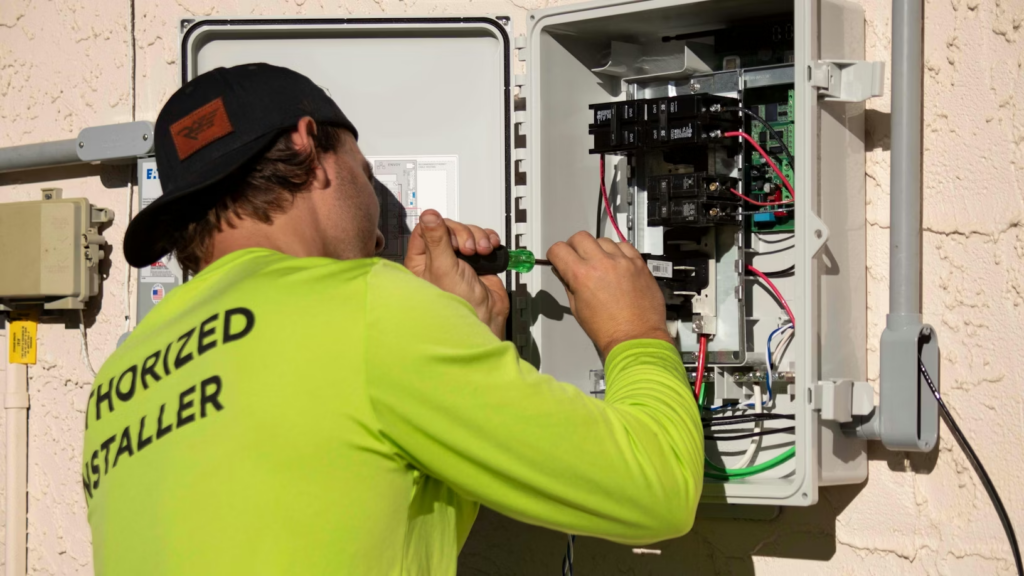
To avoid complicated electrical installations, it is best to consult a professional. An electrician can determine whether the circuits in your home can support new devices, if the wiring is compatible, install suitable devices, and ensure that electrical connections in your home meet safety standards.
Regular electrical inspections can also be very useful. In older properties, electrical wiring may not be suitable for modern technology.
Increasing Property Appeal
Smart devices can increase the appeal of properties. Automatically controlled lighting, smart heating devices, connected security devices and devices which can monitor energy consumption can be very useful for efficient and convenient energy management. By carefully planning electrical systems in your home, it can be easier to install devices in the future. The value of these improvements will depend on how well they are installed, compatibility between devices and personal preferences. It is important to have reliable electrical systems in place in order for smart devices to be practical in the long term.
Improve Your Home With a Professional Electrician in Brooklyn
If you wish to add smart devices to your home, it is important to ensure that reliable electrical systems are in place so that devices can function safely and efficiently. Whether you wish to add smart lighting, upgrade electrical boards, add connected security devices, or improve existing wiring, a professional can help you make the best decisions. An Brooklyn electrician can determine what electrical requirements are needed in your home, what electrical upgrades are required, and install compatible systems. By investing in professional electrical services, you can decrease the likelihood of any issues in your home, and can get your property ready for future smart improvements. To discuss your project with a qualified electrician, get in touch with a professional today to get practical solutions to make your home safer and more connected.
Summary
Smart devices in homes mean that energy, heating, security and lighting can be managed easily. However, new requirements may be placed on electrical systems, sockets and electrical boards. Before adding new devices in your home, it is important that electrical systems can accommodate them safely. With correct planning, installation by professionals and regular maintenance, smart devices can be very convenient in your home, and can prepare your home for future developments.
FAQs
What Are Common Electrical Improvements in Smart Homes?
Common electrical improvements in smart homes include smart lighting, smart switches, smart heating, connected security, smart sockets and upgrading electrical boards. This makes it easier to manage devices in the home.
Will I Need New Wiring for Smart Devices?
It may not be necessary. Many smart devices can be added to current wiring and sockets. However depending on the device, additional wiring, compatible switches, dedicated circuits, or electrical board upgrades may be required. An electrician can determine what modifications are required in your home.
Can Smart Devices Reduce My Electricity Costs?
Yes. Smart heating, lighting and sockets (with energy monitoring) can reduce energy consumption. Devices can be controlled, scheduled and provide information on energy savings.
Comments (0)