


Middle Eastern cuisine is known for its vibrant flavours, aromatic spices, fresh ingredients and time-honoured cooking traditions. From freshly prepared appetisers to grilled specialities and traditional desserts, every dish reflects a combination of cultural influences and culinary techniques. The variety of ingredients and preparation methods makes this cuisine an exciting choice for anyone who enjoys exploring different food traditions.
Traditional Middle Eastern food is also closely connected to hospitality and shared dining. Meals often bring people together around a table filled with different dishes, allowing everyone to enjoy a variety of flavours. Understanding the ingredients, cooking styles and food traditions behind these dishes can make the dining experience even more rewarding.
1. Explore the Variety of Traditional Middle Eastern Dishes
One of the most interesting aspects of Middle Eastern cuisine is its diversity. Different regions have their own cooking styles, ingredients and signature recipes, creating a broad selection of dishes to explore.
Start with Traditional Mezze
Mezze is an important part of Middle Eastern dining. These small appetisers are usually served before the main course and can include hummus, baba ghanouj, tabbouleh and other fresh preparations.
The combination of chickpeas, eggplant, garlic, lemon juice, herbs and olive oil creates refreshing flavours and appealing textures. Ordering several mezze dishes is also an excellent way to sample different ingredients during one meal.
2. Appreciate the Role of Fresh Ingredients
Fresh produce and carefully selected seasonings are essential to many traditional Middle Eastern recipes. Vegetables, herbs, legumes, citrus fruits and olive oil contribute to the distinctive character of this cuisine.
Discover the Balance of Aromatic Spices
Spices such as cumin, coriander, cinnamon, paprika and sumac are commonly used in different Middle Eastern dishes. They add depth and aroma while complementing the natural taste of the ingredients.
Fresh mint, parsley and lemon are also frequently incorporated into salads, marinades and appetisers. This balance of herbs and spices creates meals that offer layers of flavour without relying on overly complicated preparation.
3. Enjoy Traditional Grilled Specialities
Grilled food holds an important place in Middle Eastern culinary traditions. Meat is often marinated with herbs, spices and other seasonings before being cooked over charcoal or an open flame.
Experience Different Grilling Techniques
Kafta, chicken skewers, lamb skewers and mixed grills are popular examples of traditional grilled dishes. Their distinctive flavours come from the seasoning, preparation and cooking process.
Grilled specialities are commonly accompanied by fresh salads, sauces and bread. These combinations create a balanced meal by bringing together smoky, savoury and refreshing elements.
Seafood is another option worth exploring, particularly when prepared with traditional herbs, citrus and aromatic seasonings.
4. Experience the Tradition of Shared Dining
Food is an important part of hospitality across many Middle Eastern cultures. Sharing several dishes at the table allows family members and friends to enjoy a variety of flavours together.
Rather than focusing on individual servings, shared dining encourages everyone to try different appetisers, main courses and side dishes. It also creates a relaxed atmosphere where food becomes part of the social experience.
When looking for a middle eastern restaurant near me, consider the variety of dishes available and whether the menu offers options suitable for sharing. A diverse selection can make it easier to discover traditional flavours and enjoy a more complete dining experience.
5. Discover the Sweet Side of Middle Eastern Cuisine
Middle Eastern desserts are recognised for their use of nuts, pastry, cream, honey and aromatic ingredients. They offer a different experience from savoury dishes and provide a satisfying way to finish a meal.
Try Popular Traditional Desserts
Baklava is a familiar favourite, featuring delicate pastry layers filled with nuts and finished with sweet syrup. Knafeh is another popular dessert, combining pastry, creamy textures and a distinctive sweet flavour.
Other traditional sweets may include date-based treats, nut-filled pastries and milk-based desserts. Enjoying these specialities alongside coffee or tea adds another dimension to the overall dining experience.
6. Choose a Dining Experience with Something for Everyone
A good dining experience involves more than simply choosing delicious food. Menu variety, welcoming service and a comfortable atmosphere all contribute to an enjoyable meal.
Whether dining with friends, family or colleagues, choosing a place with different appetisers, grilled dishes, vegetarian selections and desserts allows everyone to find something appealing.
Exploring a middle eastern restaurant near me can also be a great opportunity to discover unfamiliar dishes and appreciate the culinary traditions behind them. Being open to trying new combinations and ingredients can make every visit more interesting.
Summary
Traditional Middle Eastern food offers an exciting combination of fresh ingredients, aromatic spices, grilled specialities and delicious desserts. From exploring mezze and appreciating regional cooking techniques to enjoying shared meals and traditional sweets, there are many ways to experience its culinary diversity. Taking the time to discover different dishes makes every meal an opportunity to enjoy new flavours and appreciate the rich food traditions of the Middle East.
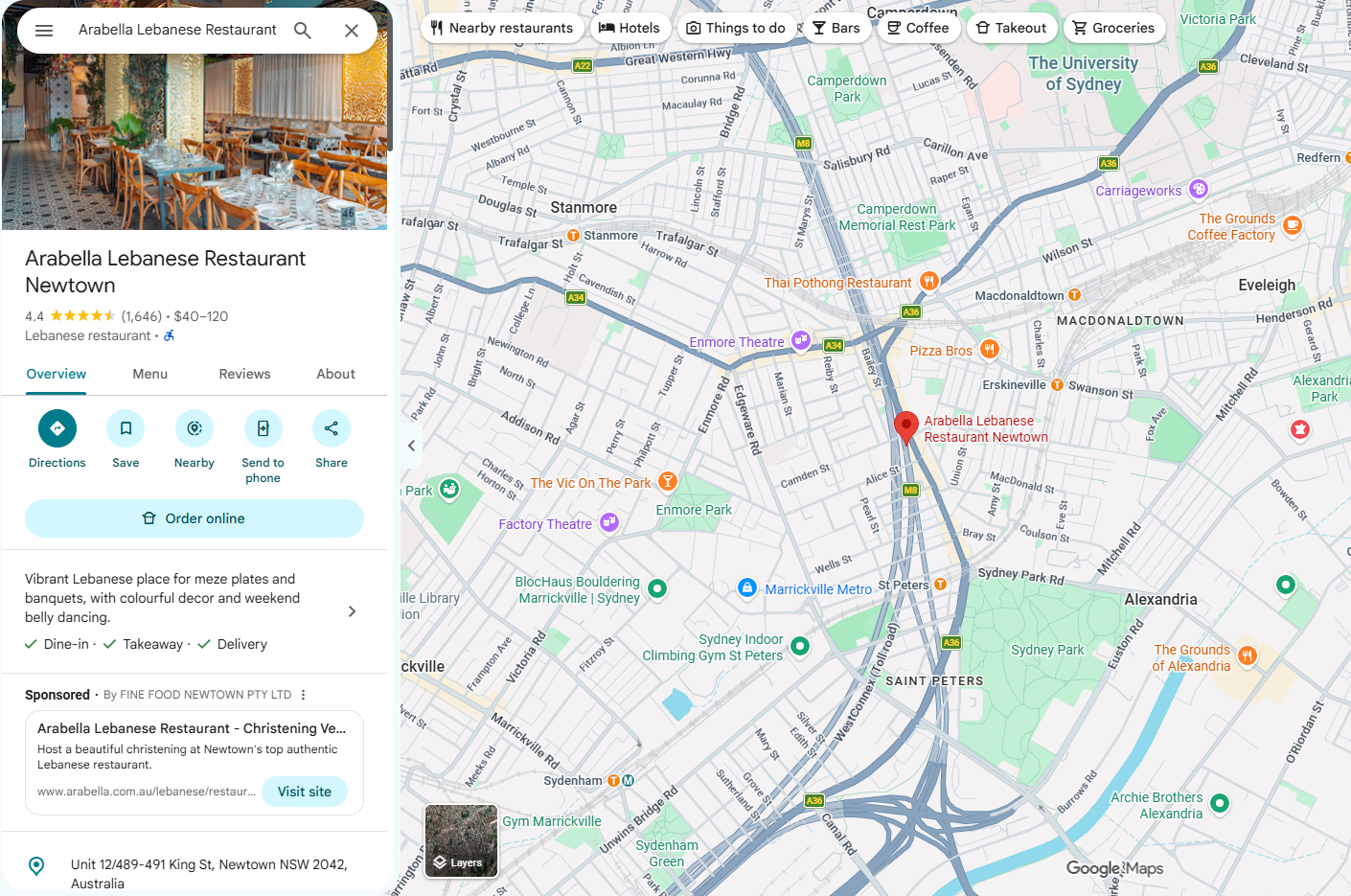
Arabella Lebanese Restaurant Newtown
Unit 12/489-491 King St,
Newtown NSW 2042,
Australia
2 9550 1119
Comments (0)