


A dance shoe brand is more than the sum of its materials and heel heights. What separates a forgettable product from one that dancers recommend to their partners is identity—the sense that this shoe belongs to a particular brand with a particular personality. Building that identity requires attention to the details that surround the shoe itself: the logo stitched onto the heel, the box it arrives in, the label inside the lining. Suphini has worked with enough dance brands to know that private labeling is not a cosmetic afterthought but a strategic one. This article explores how logo application, packaging design, and full private labeling work together to transform a well-made shoe into a recognizable brand, and what clients should consider at each stage of the process.
Why Private Labeling Matters in the Dance Market
The dance footwear market is crowded and deeply relationship-driven. Dancers tend to trust teachers, studio owners, and fellow competitors more than they trust advertising, which means a brand's reputation travels through personal recommendations. In that environment, visible identity becomes a form of credibility. A shoe with a thoughtfully embroidered logo, consistent packaging, and a professional label inside signals that someone cared about the details—and dancers notice. Private labeling also lets studios and retailers offer something exclusive that generic wholesalers cannot match, whether that means team shoes with embroidered initials or a boutique's own line that customers cannot find elsewhere. Suphini's private labeling services exist to give clients that ownership, allowing them to build brand equity in every pair sold rather than acting as an anonymous reseller of factory goods.
Logo Methods and Placement Decisions
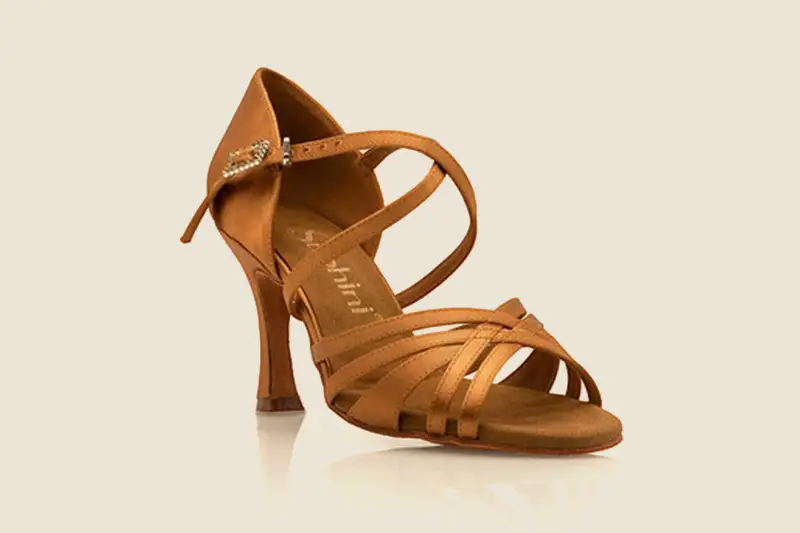
Logo application begins with a deceptively simple question: where should the logo go? The answer depends on both visibility and durability. Heel counters offer prominent placement for embroidered logos and are a popular choice for studios ordering team shoes, while the insole provides a practical spot for printed branding that the wearer sees every time the shoe is put on. Embossing or debossing into leather creates a subtle, premium effect that appeals to minimalist brands seeking understated elegance. Strap ends, buckles, and lining labels offer additional real estate. Suphini advises clients to weigh how each placement will age—a logo on the sole wears away within weeks, while an embroidered heel can endure the shoe's lifetime if executed well. Ordering physical proofs of each logo method before committing to production is strongly recommended, since embroidery density and print resolution behave differently on different fabrics.
Choosing Logo Techniques That Fit the Material
The material underneath a logo dictates which techniques will succeed. Embroidery sits beautifully on satin and leather but can distort on stretch mesh, where the fabric's flexibility pulls at the stitching. Printed applications work well on synthetic uppers but may crack if stretched repeatedly. Embossing requires leather or similar materials that hold a shape under heat and pressure. Suphini's technical team matches technique to material during sampling, preventing the common disappointment of an approved design failing on the production line. Clients also discover that some of the most elegant branding solutions are the simplest: a small woven label sewn into the lining, or a subtly embossed heel that rewards close inspection. The goal is not maximum visibility but appropriate visibility—branding that feels integrated rather than applied.
Packaging as Part of the Brand Experience
Packaging carries more weight in the dance world than many brands initially realize. Dancers often purchase shoes in person at studios or competitions, but online sales are growing, and the unboxing moment has become part of how customers judge quality. Suphini supports clients in designing packaging that reinforces their identity: branded shoe boxes, dust bags, tissue paper, care instruction cards, and return-ready inserts can all be customized dance shoes. Thoughtful touches—a studio's class schedule printed inside the box lid, a personal thank-you card, a QR code linking to care tutorials—create a memorable experience that encourages social sharing. Practical concerns matter as well; packaging must survive shipping, and boxes should protect the shoes' shape while remaining cost-effective. Clients usually find that a modest investment in distinctive packaging yields disproportionately positive impressions.
Private Labeling Documentation and Consistency
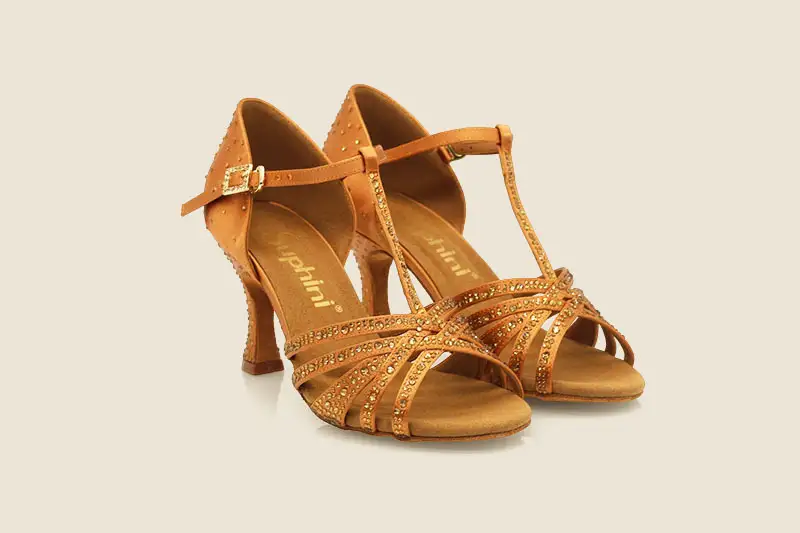
Behind every smoothly private-labeled brand is unglamorous documentation. Suphini maintains detailed records of each client's logo specifications, color codes, label positioning, and packaging requirements, ensuring that a reorder six months later reproduces the same branded experience without confusion. This consistency is particularly valuable for brands selling through multiple channels, where customers may encounter the product in different contexts and expect the same quality signals each time. Clients also receive guidance on labeling compliance for their target markets, including country-of-origin marking and material disclosures where required. Clear documentation prevents the small discrepancies—a slightly shifted logo, a mismatched box color—that quietly erode brand trust.
Building a Brand Dancers Recognize and Remember
Logo, packaging, and private labeling ultimately serve one purpose: making a brand recognizable and memorable to the dancers who use it. Suphini's role is to execute these elements with precision so that clients can focus on growing their business—expanding their style range, deepening studio relationships, and listening to customer feedback. A well-branded shoe tells dancers where it came from and invites them to come back for more. When every detail, from the embroidered heel to the dust bag, reflects the same care that went into the shoe's construction, the brand becomes something dancers trust. That trust is the real product of private labeling done right, and it compounds with every pair that leaves the workshop.
Comments (0)