


Ankle straps are one of those design features that dancers either swear by or overlook entirely, yet they can transform how secure a standard dance shoe feels during demanding figures. Suphini offers several models that incorporate ankle straps, and each one is built to deliver a particular kind of stability and control. This article examines what ankle straps actually contribute to standard dancing, how to fit them correctly, and which dancers benefit most from choosing a strapped design over a simpler silhouette.
What an Ankle Strap Actually Does
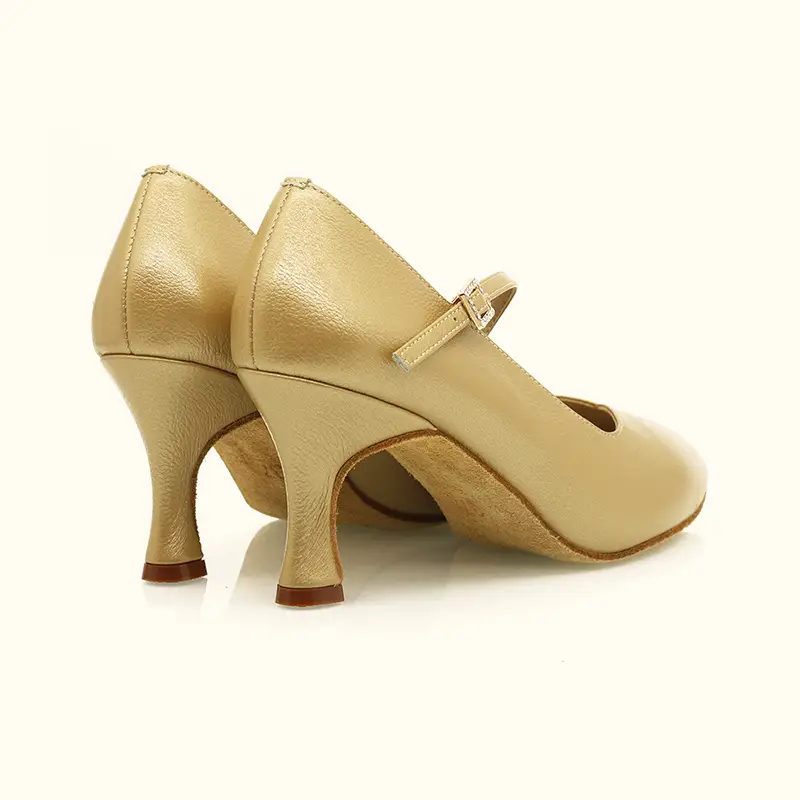
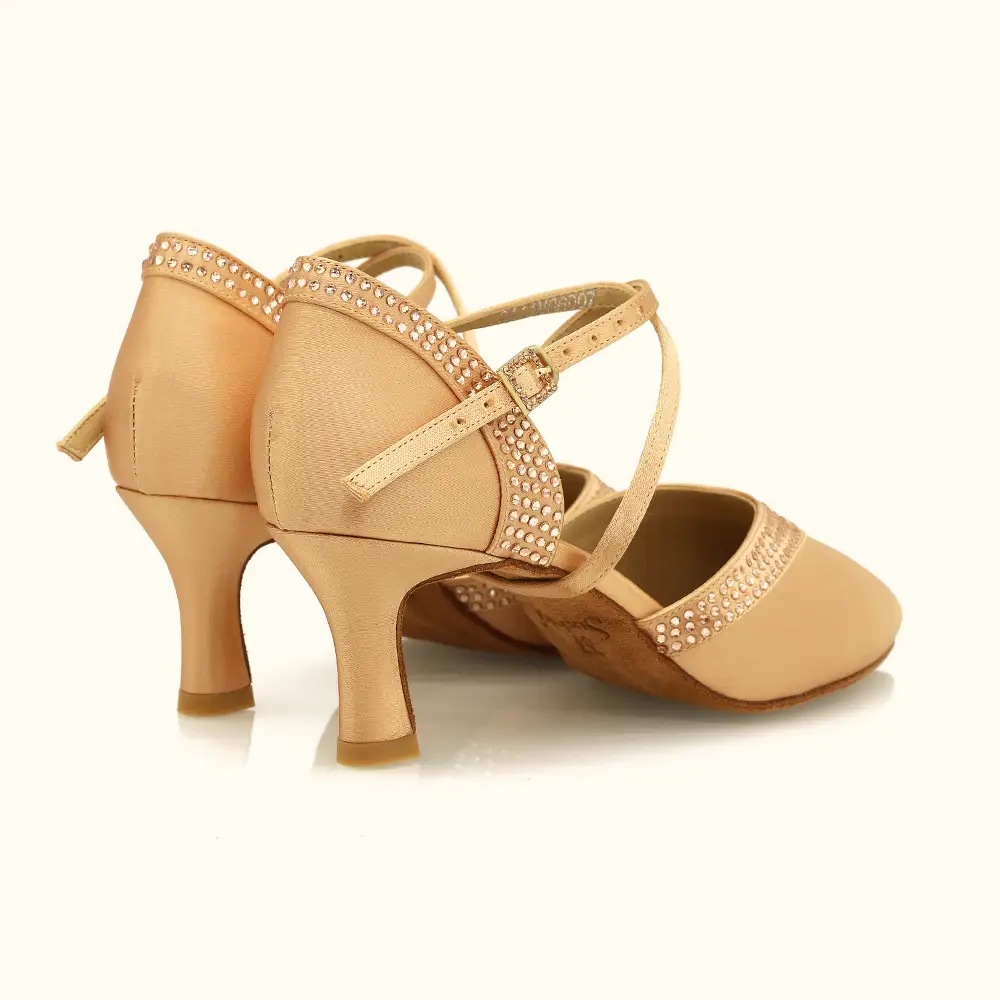
An ankle strap wraps around the narrow part of the leg just above the ankle bone, anchoring the shoe to the foot at a point above the instep. In practice, this means the shoe cannot shift backward or slip off during movements that lift or extend the heel, such as sustained rises, pivots, and long backward steps. The strap works together with the instep fitting rather than replacing it, creating two points of attachment that hold the foot in place. Suphini positions its ankle straps carefully so they sit above the ankle bone, avoiding the pressure that causes rubbing when a strap is placed too low or too tight.
Stability Benefits for Standard Technique
Standard dancing keeps the feet in constant motion, and stability is the foundation of clean technique. During rise and fall, the foot must remain securely in the shoe while the heel lifts and settles; during pivots, the shoe must turn with the foot rather than lagging behind. An ankle strap reinforces both actions by preventing the heel from lifting out of the shoe and by keeping the foot aligned with the sole. Suphini's models also pair the ankle strap with a secure instep fitting, so the foot stays locked into position through sway and promenade figures. Dancers often describe the effect as feeling planted, even when moving quickly.
Control Through Turns and Direction Changes
Turns and quick direction changes expose weaknesses in footwear more than any other figures. When a shoe slips, the dancer loses the connection to the floor and must correct balance mid-step, which shows in the performance. Suphini's ankle-strap shoes address this by reducing internal movement, so the foot's rotation translates directly into the shoe's rotation. The result is a predictable, controlled turn that feels the same every time. Dancers working on spinning figures and complex choreography often find that an ankle strap gives them the confidence to commit fully to the movement, which in turn improves the quality of the turn itself.
Choosing Between Ankle-Strap and Strapless Models
Not every dancer needs an ankle strap, and Suphini's range includes both options for good reason. Strapless or instep-only designs offer a lighter feel and more freedom around the ankle, which some dancers prefer for tango and for figures that emphasize ankle articulation. Ankle straps suit dancers who have experienced heel slippage, those with narrow heels, and anyone who wants extra reassurance during competition. Beginners sometimes benefit from the added security while their footwork stabilizes, while advanced dancers may choose ankle straps for specific routines and leave them off for others. Trying both styles on the floor is the fastest way to determine which feels right.
Fit and Adjustment Tips for Ankle Straps
Properly fitting an ankle strap takes a little attention, and Suphini's guidance covers the essentials. The strap should sit snugly without restricting circulation, and you should be able to slide a fingertip beneath it when the foot is relaxed. Buckle or elastic fastenings should be adjusted while standing, since the ankle changes shape when weight is applied. Dancers with very slim ankles sometimes need to punch an extra hole or add a small pad beneath the strap to achieve a secure fit. Checking the strap tension before each lesson prevents the slow loosening that happens as leather softens with wear, and it keeps the shoe performing as intended.
Comfort Considerations Over Long Dance Sessions
Ankle straps add security, but they also add a contact point that must remain comfortable over hours of dancing. Suphini lines its straps with soft material to reduce friction, and positions them to avoid the bony prominence of the ankle. Dancers new to ankle straps should break them in gradually, wearing them for shorter sessions before committing to a full day. If rubbing develops, a thin protective strip or a small adjustment to strap tension usually solves the problem quickly. Attention to these details keeps the strap an asset rather than a source of irritation, and dancers soon forget it is there at all.
Who Will Get the Most From This Design
Ankle-strap standard dance shoes serve a wide range of dancers, but they prove especially valuable to those who compete, those with narrow heels, and anyone returning to dancing after an injury who wants extra confidence in their footing. Teachers who demonstrate figures all day also appreciate the security during repeated turns and rises. Suphini's ankle-strap models deliver stability and control without sacrificing the elegance standard dancing demands, making them a practical choice for dancers who want their footwear to support every step. For those who value feeling locked in and confident on the floor, an ankle strap is a small feature with a large effect.
Comments (0)