


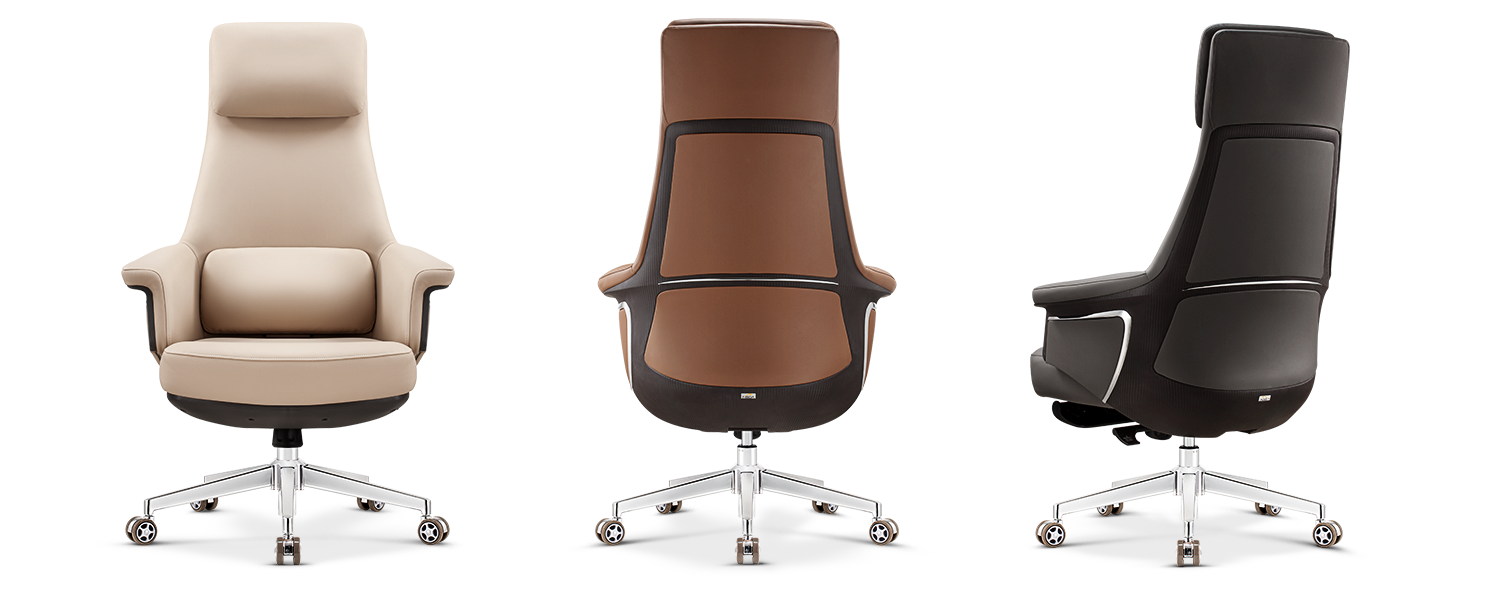
The words manufacturer and supplier get tossed around as if they mean the same thing, and in casual conversation they nearly do. In procurement, however, the distinction carries real weight, shaping everything from pricing structure to who answers the phone when something goes wrong. MSDA occupies an unusual position because it operates as both, building office chair manufacturer in its own facilities while also supplying them through distribution channels. That dual perspective makes the company well placed to explain where the roles diverge, why the differences matter, and how buyers can tell which kind of partner they are actually dealing with before signing a contract.
Defining the Two Roles Clearly
A manufacturer owns the production process, converting raw materials and components into finished chairs within its own facilities. It controls design, engineering, quality standards, and production scheduling. A supplier, by contrast, sits between production and purchase, sourcing chairs from one or more manufacturers and reselling them to businesses or retailers. Some suppliers add value through warehousing, logistics, or installation, while others simply broker transactions. Neither role is inherently better, and many successful procurement relationships rely on capable suppliers. The trouble begins when buyers assume they are dealing with a manufacturer and discover, too late, that they are several steps removed from the factory floor.
Where Pricing Really Comes From
Cost structures differ fundamentally between the two roles, and understanding this helps buyers read a quote intelligently. A manufacturer prices based on materials, labor, tooling, and overhead, with no intermediary margin layered on top. A supplier's price includes the manufacturer's cost plus its own margin, alongside expenses for storage, handling, and sometimes freight consolidation. This does not automatically make manufacturers cheaper, since suppliers buying in volume may negotiate rates individual buyers cannot access. Still, when a quote seems unusually low, knowing whether it originates at the factory or through a middleman explains a great deal about what might have been trimmed to reach that number.
Control Over Quality and Customization
Customization requests reveal the distinction quickly. Ask a supplier for a modified armrest or a different foam density and the reply often involves checking with the factory, then returning with caveats and extended timelines. A manufacturer evaluates the request against its own engineering parameters and answers directly, sometimes suggesting alternatives that serve the client better. Quality control follows similar lines. Manufacturers inspect production at each stage because they own the process, while suppliers can only verify what arrives in their warehouse. For buyers needing genuine customization or rigorous quality assurance, proximity to the source of production matters enormously.
Accountability When Problems Surface
Every seating program eventually encounters an issue, whether a damaged shipment, a warranty claim, or a batch with an unexpected defect. How that issue gets resolved depends heavily on how many parties stand between the buyer and the factory. A manufacturer can investigate root causes, adjust production, and ship replacements without waiting on anyone else. A supplier must relay the problem upstream, wait for a response, and manage the customer's expectations in between. This does not mean suppliers handle problems poorly, but each additional link in the chain adds time and potential for miscommunication. Buyers should ask directly who handles warranty claims and how quickly.
Lead Times and Supply Chain Visibility
Production scheduling sits entirely with the manufacturer, which means lead times quoted by a manufacturer reflect actual capacity rather than hopeful estimates. Suppliers depend on their own inventory and their manufacturers' willingness to prioritize their orders, introducing variables outside their control. During periods of high demand, suppliers without strong factory relationships can find themselves waiting while direct manufacturer clients receive their chairs first. Buyers planning office openings or renovation schedules should ask where their order sits in the production queue and whether the answer comes from the factory or from a sales team guessing at it.
When a Supplier Is the Smarter Choice
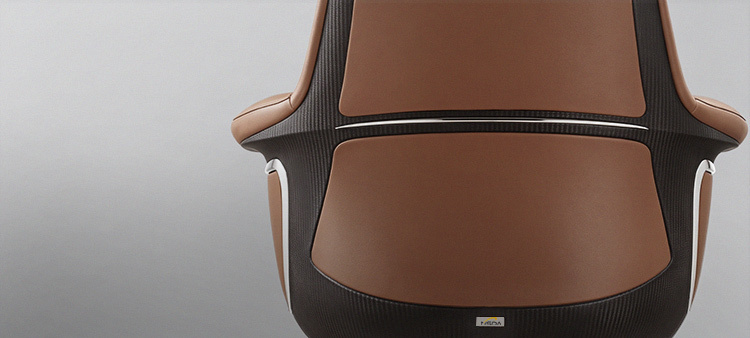
None of this makes suppliers inferior, and MSDA is quick to acknowledge the value good suppliers provide. For small orders, suppliers offer convenience and lower minimum quantities. Buyers needing mixed product ranges from multiple factories can consolidate purchases through one supplier rather than managing several manufacturers. Local suppliers provide faster delivery and hands-on service that distant factories cannot match. The key is matching the partner to the need, and buyers who understand the distinction can choose deliberately rather than defaulting to whoever answers the inquiry first.
How MSDA Bridges Both Worlds
MSDA's position as both manufacturer and supplier lets clients access the advantages of each arrangement. Direct buyers work with the factory on customization, quality requirements, and production scheduling. Wholesale and retail partners receive supplier-style support with volume pricing, consolidated logistics, and account management. Because the company controls its own production, promises made on either side rest on the same foundation. For buyers tired of chasing information through layers of intermediaries, dealing with an organization that builds what it sells offers a clarity that is difficult to replicate elsewhere, and it begins with asking the simple question of who actually makes the chair.
Comments (0)