


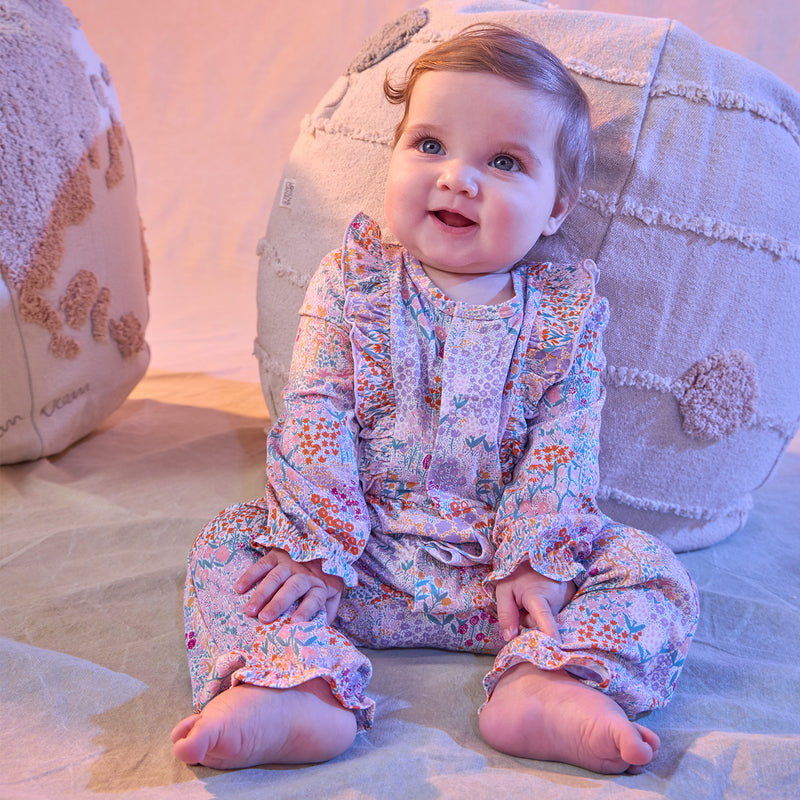
The arrival of a newborn marks the beginning of an extraordinary chapter filled with sweet cuddles, new routines, and continuous learning. As parents transition into daily caregiving, building a functional, comfortable wardrobe becomes one of the most practical priorities. Ensuring that your infant remains cozy, safe, and cheerful through changing weather and developmental milestones requires thoughtful outfit selection. Every great baby wardrobe relies on foundational base layers that make morning routines effortless. Integrating soft, high-quality Baby onesies into your infant’s daily attire provides superior comfort, gentle warmth, and quick diaper access for stress-free caretaking.
In this detailed guide, we will cover essential strategies for building an infant wardrobe, selecting skin-friendly textiles, utilizing time-saving dressing features, and caring for delicate garments.
The Science of Softness: Selecting Fabrics for Infant Skin
An infant's skin is roughly 30% thinner than adult skin, making it highly susceptible to chafing, synthetic chemical irritation, and sudden temperature fluctuations. Choosing the right textiles protects your baby's physical comfort and supports healthy skin.
The Power of Organic Fibers
Certified organic cotton is grown without harmful synthetic pesticides or toxic defoliants, ensuring that the natural cotton fibers remain pure, durable, and exceptionally soft. Organic cotton allows skin to breathe naturally, keeping moisture away and preventing sudden heat buildup.
Bamboo Viscose and Silky Modal
Bamboo-derived viscose and modal harvested from beech trees are renowned for their silky-soft textures. These sustainable fabrics feature natural thermo-regulating properties that keep your child cool in warm summer weather and snug during chilly winter evenings, making them versatile year-round choices.
Avoiding Synthetic Blends
Heavy synthetic fibers like polyester can trap perspiration against sensitive skin, creating friction and triggering uncomfortable skin rashes. Sticking with high-percentage natural fiber blends guarantees maximum airflow and long-lasting softness.
Practical Design Details That Simplify Daily Routines
When evaluating infant garments, looking past charming surface prints to inspect functional construction details will dramatically improve your daily caregiving experience.
Lap Shoulder Necklines
Envelope-style lap shoulders feature overlapping fabric flaps at the collar. This smart design stretches widely over your baby's head, enabling effortless overhead dressing. Crucially, during messy diaper accidents, the neckline expands far enough to allow you to pull the garment down over the hips, keeping your baby clean and comfortable.
Innovative Two-Way Zippers and Magnetic Closures
Managing snaps on a wiggling baby can feel challenging, especially during middle-of-the-night changes. Modern baby apparel featuring full-length two-way zippers or hidden magnetic closures allows you to complete diaper updates in seconds without disturbing your sleeping infant.
Tagless Comfort and Flatlock Seams
Stiff neck tags and raised interior stitching can cause friction against tender skin. Quality baby apparel utilizes tag-free printed labels and flatlock interior stitching to ensure every surface touching your child feels buttery-soft.
Building a Streamlined Capsule Wardrobe for Your Infant
Creating a minimalist, highly organized capsule wardrobe cuts down on laundry overwhelm and keeps your nursery drawers tidy.
Essential Daily Items
Stocking your baby's dresser with 8 to 12 versatile base layers, 5 to 7 footed sleepers, and a few cozy cardigans ensures you are fully prepared for daily changes without overstuffing closet shelves.
Organizing Drawers by Actual Size
Infants grow at vastly different rates, so tag categories like "3 Months" are often misleading. Organize your nursery drawers according to actual garment dimensions and current fit, ensuring every piece gets plenty of wear before your child moves to the next size up.
Gentle Laundering Practices
To maintain fabric elasticity and avoid skin irritation, wash all baby clothing with hypoallergenic, fragrance-free laundry detergents. Use cold or warm water on a gentle cycle, and tumble dry on low heat or line dry in the shade to protect delicate knits.
Dynamic One-Piece Outfits for Active Daytime Play
As your baby grows into an active explorer who enjoys rolling, sitting, and practicing early crawling, their clothing needs to offer complete physical flexibility alongside charming aesthetic appeal. Single-piece playwear eliminates the hassle of pairing separate tops and bottoms while keeping your child totally unrestricted. For sunny park strolls, family gatherings, and joyful playdates, choosing fashionable Baby rompers delivers an all-in-one wardrobe solution that keeps your little explorer looking picture-perfect and feeling comfortable.
Conclusion
Dressing your baby should always be a sweet, stress-free part of your daily parenting routine. By prioritizing skin-safe natural fabrics, intuitive quick-change fasteners, and organized wardrobe planning, you can create a cozy environment where your child thrives. Investing in durable, practical garments simplifies daily caregiving, giving you more peaceful moments to cuddle and celebrate every developmental milestone with your child.
Frequently Asked Questions (FAQs)
Why are natural fabrics better than synthetic fabrics for infants?
Natural fabrics like organic cotton and bamboo offer high breathability and hypoallergenic softness, whereas synthetic fabrics like polyester trap sweat and heat against delicate skin, potentially causing rashes.
What is the easiest way to change a baby's diaper at night?
Using clothing with two-way zippers or magnetic closures allows you to access the diaper area quickly from the bottom up while keeping your baby's upper body warm and cozy.
How do expandable lap shoulders work?
Lap shoulders feature overlapping fabric across the neck that stretches wide, allowing garments to be pulled downward over the baby's legs during messy diaper accidents instead of over their head.
How many daytime outfits does an infant typically need per week?
Having 10 to 14 versatile daily outfits ensures you have enough clean changes to handle minor feeding spills or diaper leaks without needing to run laundry every day.
Comments (0)