


Weatherstripping rarely tops anyone's list of exciting home improvements, yet this humble material quietly determines how comfortable your home stays and how much you spend cooling it. Arizona's extreme temperatures make every gap and crack matter more than it would elsewhere. A worn seal around your garage door allows cooled air to escape, hot air to enter, and dust to infiltrate every corner of the space. Farnsworth technicians replace weatherstripping throughout the Valley, and their experience shows that this modest investment delivers some of the most noticeable returns of any garage door upgrade.
The Invisible Energy Drain Around Your Garage Door
Air moves constantly between spaces with different temperatures, and a garage door without proper weatherstripping offers countless pathways for that exchange. The bottom seal, side jambs, and top header all represent potential leak points. When these seals deteriorate, your air conditioner compensates by running longer cycles. That extra runtime accumulates into higher monthly bills that homeowners often attribute to other causes. In a climate where cooling costs dominate summer budgets, sealing these gaps represents one of the simplest ways to reduce unnecessary energy waste.
How Arizona's Climate Destroys Weatherstripping
Standard weatherstripping materials face brutal conditions in the desert. Intense ultraviolet radiation breaks down rubber and vinyl compounds, causing them to crack, harden, and lose flexibility. Summer heat accelerates this degradation, while winter temperature swings add stress through constant expansion and contraction. Dust embeds itself in the material, wearing it down from within. Monsoon humidity creates conditions that promote deterioration. Weatherstripping that lasts a decade in milder climates may need replacement in half that time here, making regular inspection an important part of home maintenance.
Types of Weatherstripping and Their Best Applications
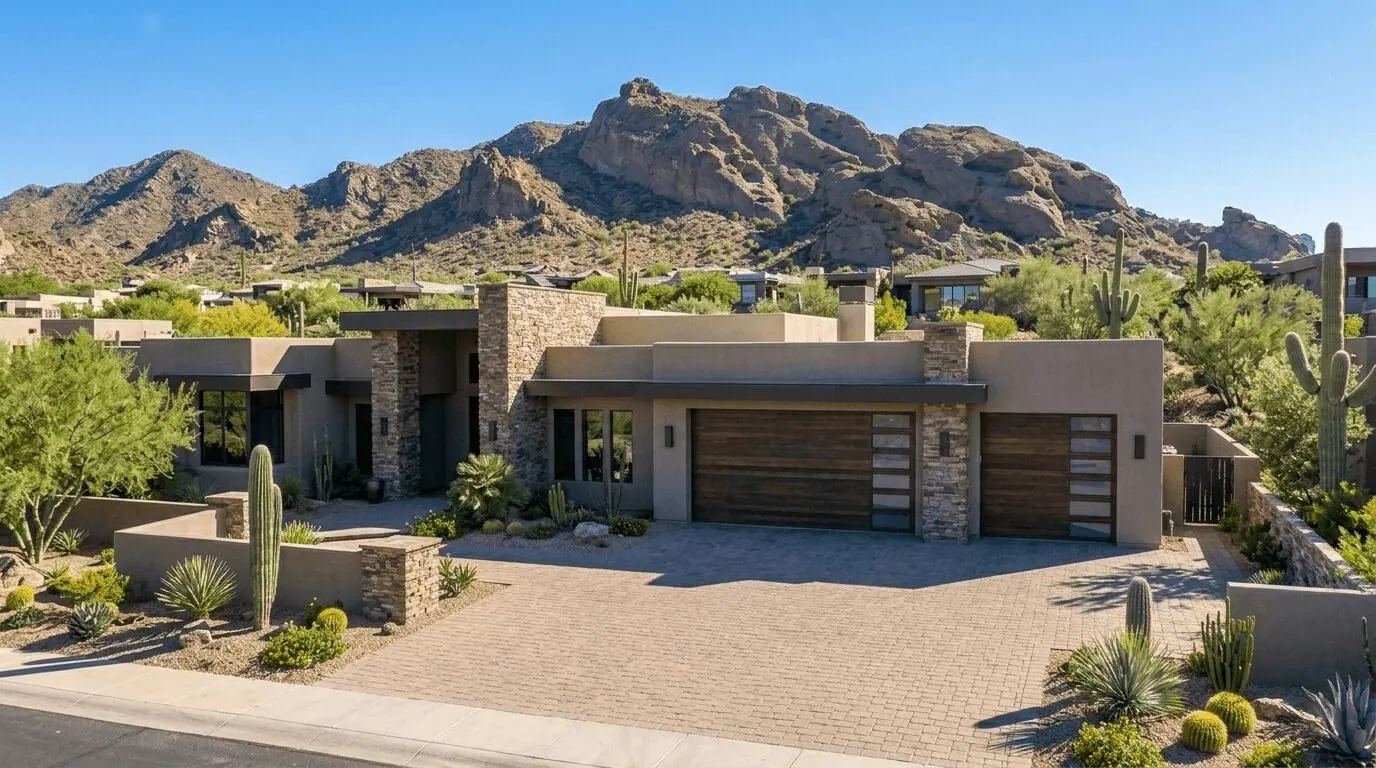
Different areas of the best garage doors for Arizona heat require different sealing solutions. The bottom seal, which contacts the floor, needs a durable rubber or vinyl product capable of withstanding constant compression. Side jambs benefit from flexible materials that conform to the door's edges as it moves. The top header requires a seal that blocks drafts without interfering with door travel. Some products combine multiple materials to address different challenges simultaneously. Farnsworth technicians select appropriate materials for each application, ensuring complete protection rather than partial coverage that leaves gaps unaddressed.
Signs Your Weatherstripping Needs Replacement
Homeowners can identify failing weatherstripping through simple observation. Visible cracks, tears, or missing sections obviously require attention. Material that has hardened and no longer flexes has lost its ability to seal properly. Daylight visible around the closed door indicates gaps that allow air transfer. Water stains on the garage floor after storms reveal inadequate sealing at the bottom. Increased dust accumulation inside the garage suggests infiltration through deteriorating seals. If more than a few years have passed since replacement, inspection makes sense regardless of apparent condition.
The Role of Proper Installation
Weatherstripping performs only as well as its installation allows. Improperly fitted materials leave gaps at corners and transitions. Seals installed too tightly prevent the door from closing completely, while loose installation creates openings that defeat the purpose entirely. The bottom seal must contact the floor firmly across the entire width without causing excessive resistance. Side seals need precise alignment with the door's edges. Farnsworth technicians handle these details carefully, then test door operation to confirm seals perform correctly without straining the opener.
Additional Benefits Beyond Energy Savings
Improved weatherstripping delivers advantages that extend beyond lower utility bills. Better sealing keeps dust out, reducing cleaning frequency and protecting stored items. Pests find fewer entry points, making garages less inviting to scorpions, crickets, and rodents. Water intrusion during monsoon season decreases, preventing slippery floors and potential mold issues. Noise transmission from outside reduces, creating a quieter home environment. These combined benefits make weatherstripping one of the most practical upgrades available for any Arizona home with an attached garage.
Taking Action for a More Efficient Home
Weatherstripping represents a small investment with outsized returns for Arizona homeowners. The energy savings, pest exclusion, and comfort improvements accumulate daily, making this upgrade one of the smartest available. Farnsworth technicians assess existing seals, recommend appropriate replacements, and complete installation with the attention to detail this work requires. Do not let worn weatherstripping undermine your home's efficiency and comfort. Schedule an inspection today and discover how much difference proper sealing can make.
Comments (0)