


What Is Colored Soil and How Is It Used
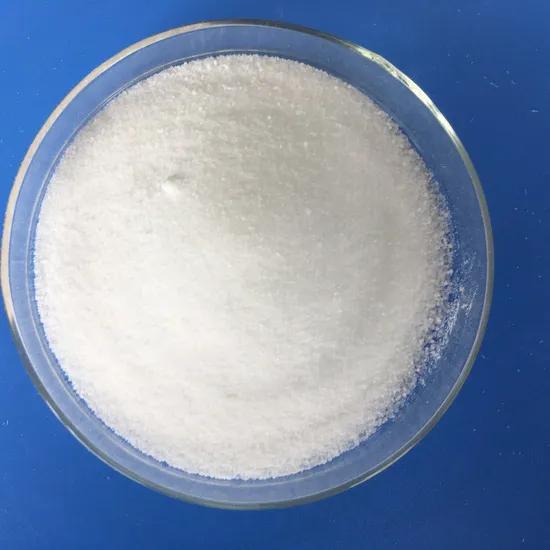
Colored soil — known in industrial contexts as bleaching earth, fuller's earth, or activated clay — is a naturally occurring or acid-activated clay material used for the decolorization, deodorization, and purification of oils, fats, and other organic liquids. This material has the ability to selectively adsorb pigments, chlorophylls, metals, and other impurities that cause color, odor, and stability problems in edible oils and industrial fluids. Its applications span the food processing industry, the petrochemical sector, and various specialty purification processes where removal of color bodies and impurities from liquid streams is required.
Edible Oil Refining — The Primary Application
The largest industrial application of colored soil is in the refining of edible vegetable oils. Crude vegetable oils extracted from plant seeds and fruits contain pigments — primarily chlorophylls, carotenoids, and gossypol — as well as residual soaps, oxidized fatty acid products, and trace metals that affect color, flavor, and oxidative stability. During the bleaching step of oil refining, activated clay is mixed with the degummed and neutralized oil at elevated temperature under vacuum conditions. The clay adsorbs the pigments and other impurities, and the spent clay is then filtered out, leaving a clarified, lighter-colored oil suitable for further refining or direct use.
Industrial Oil Purification
Beyond edible oil applications, colored soil is used to purify various mineral oils, lubricants, and petroleum products. Used transformer oil regeneration uses activated clay to adsorb the oxidation products — acids, sludge-forming compounds, and color bodies — that accumulate in transformer oil during service, restoring the oil to a condition approaching its original specification. Lubricating oil re-refining uses clay treatment to remove residual contaminants from used motor oil and industrial lubricants. These industrial oil purification applications use similar process technology to the edible oil bleaching application but with different clay grades and process conditions optimized for the specific oil type.
Wax and Specialty Chemical Purification
Paraffin wax and microcrystalline wax purification uses bleaching earth to remove color bodies and odorants that affect the appearance and odor of wax products intended for cosmetics, candles, food packaging, and other applications where appearance and odor are important quality criteria. Specialty chemical purification uses activated clay in various liquid-solid adsorption processes to remove impurities from chemical streams where activated carbon or ion exchange resins may not be appropriate for technical or economic reasons.
Activity Levels and Grade Selection
Colored soils are available in a range of activity levels that reflect the degree of acid activation applied during processing. Natural bleaching earths have moderate adsorption capacity suitable for lightly colored oils and mild decolorization requirements. Acid-activated bleaching earths provide significantly higher adsorption capacity through the etching treatment that increases the clay's surface area and removes natural impurities that reduce adsorption efficiency. The selection of appropriate bleaching earth grade for a specific application depends on the target oil type, the initial color level, the required final color, and the acceptable dosage level.
Environmental Considerations for Spent Clay
Spent bleaching earth — the used clay recovered from edible oil or industrial oil bleaching operations — presents a waste management challenge because it is saturated with the adsorbed oil it has removed from the process stream, making it combustible and potentially creating spontaneous ignition risk in improperly managed storage. Industrial users of bleaching earth are responsible for the safe management and disposal or recovery of spent clay in compliance with applicable waste management regulations.
Procurement of Colored Soil Products
Industrial buyers should evaluate colored soil suppliers based on product activity specifications, moisture content, particle size, free acid content, and performance test results with the specific oils or fluids the buyer intends to process. Avisachem provides خاک رنگبر — bleaching earth products — across multiple activity grades for diverse industrial purification applications.
Comments (0)