


Most people never think about cable connectors until something goes wrong. A camera suddenly shows a black screen, the image starts jumping, or a recorder reports video loss in the middle of the night. When a technician arrives, the culprit is often a small, overlooked part at the end of a cable. Connectors are the handshake between your cameras, recorders, monitors, and power supplies. If that handshake is weak, the whole system suffers. Understanding how these small components work, and what makes one better than another, can save you a surprising amount of frustration. This guide walks through the basics of connectors used in surveillance, the differences between common types, and how MOCO solutions fit into planning a dependable camera network for homes, businesses, and professional projects.
What CCTV Connectors Actually Do
At a basic level, a connector creates a secure path for signal or power between two pieces of equipment. In a surveillance system, that might mean carrying a video feed from the camera to a digital video recorder, sending power from a supply to the camera, or linking a network camera to a switch. A good connector does this while keeping the electrical characteristics of the cable intact. For coaxial video, that means maintaining the right impedance so the signal does not reflect back and degrade the picture. For power, it means a firm contact that does not heat up or loosen. For network cameras, it means clean data transfer without dropped packets. Each job calls for a connector designed specifically for it, which is why a surveillance installation often uses several different types together.
The Most Common Connector Types in Surveillance
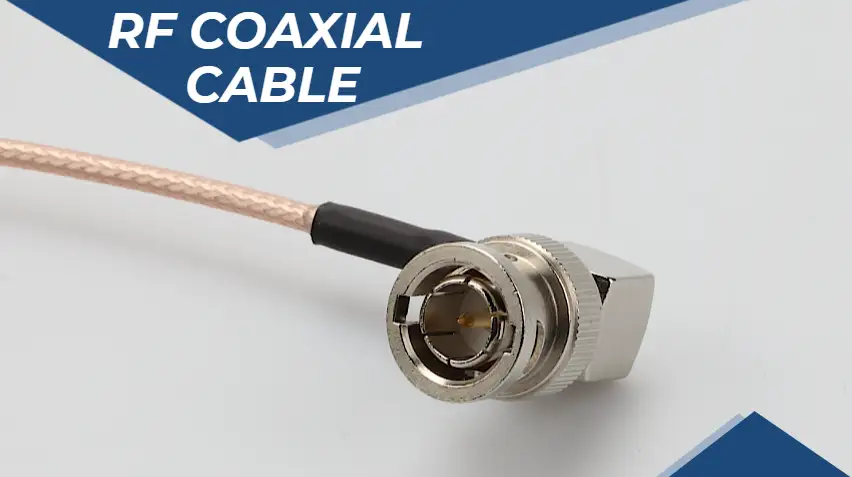
BNC connectors are the classic choice for coaxial video. Their twist-lock bayonet design makes them secure yet easy to service, and they remain the standard for analog and HD-over-coax systems. RCA connectors appear on some monitors and consumer equipment, although they lack a locking mechanism and are less common in professional installs. RJ45 connectors are used with Ethernet cable for IP cameras, often carrying both data and power through Power over Ethernet. HDMI connects recorders to displays, while DC barrel plugs and D-Tap connectors handle power in various camera setups. MOCO supplies BNC, RCA, RJ45, HDMI, and D-Tap connections in its camera cable range. Knowing which type each device expects is the first step toward building a system where every link fits properly the first time.
Key Qualities to Look For
Once you know the type you need, quality becomes the deciding factor. Start with the materials. Brass bodies with good plating resist corrosion and wear far better than thin, cheap alloys. Look at the center contact, since that tiny pin carries the signal and must stay firmly positioned. Check how the connector attaches to the cable. Crimp, compression, and solder styles each have strengths, but all of them depend on precise manufacturing to grip the shield and conductor securely. Consider durability too. Connectors that will be plugged and unplugged often, such as those in camera rigs or temporary installs, need to handle repeated cycles without loosening. Finally, think about the environment, because outdoor and industrial settings demand connectors that tolerate moisture, dust, vibration, and temperature swings without failing.
Avoiding Common Buying Mistakes
A frequent mistake is buying connectors that do not match the cable. BNC connectors are made for specific cable diameters, so an RG59 connector will not properly fit RG179, and forcing the wrong one creates weak joints. Another mistake is mixing impedances, such as using a 50 ohm connector on a 75 ohm video cable, which can cause subtle picture problems. Some buyers also focus only on price and end up replacing cheap parts repeatedly, which costs more in labor than the connectors ever saved. It is also easy to overlook the angle and space available behind equipment, where a right-angle connector may be the smarter choice. Taking a few minutes to confirm cable type, impedance, and physical layout before ordering prevents most of these headaches entirely.
How MOCO Supports Better Connector Choices
MOCO focuses on connectors and cable assemblies, and its camera cable lineup brings together the parts installers use most often. Beyond individual components, the company offers custom assemblies, which is useful when a project needs specific lengths, angles, or connector combinations that off-the-shelf products do not cover. Sourcing matched cables and connectors from one supplier also reduces the risk of mismatched sizes and inconsistent quality across a job. If you are planning a new installation or upgrading an older one, browsing MOCO's range of CCTV cable connectors is a practical way to see which options fit your cameras and recorders. With the right connectors in place, your surveillance system can deliver the stable, clear performance it was designed for, day after day.
Comments (0)