


Buying a 2 ct engagement ring is one of the most exciting — and most nerve-wracking — purchases a couple will ever make together. It sits at a sweet spot: large enough to make a real visual statement, yet still practical enough for everyday wear. But a diamond this size also comes with higher stakes. A small mistake in judgment on cut, clarity, or certification can mean paying thousands more than necessary, or worse, ending up with a stone that looks lifeless despite its impressive carat weight.
This guide is built on the kind of due diligence real jewelers, gemologists, and long-time buyers rely on. Whether you're a first-time shopper or someone upgrading a ring, this checklist walks you through exactly what to look for, how to evaluate it, and why each factor matters — so you can walk into a jewelry store (or shop online) with total confidence.
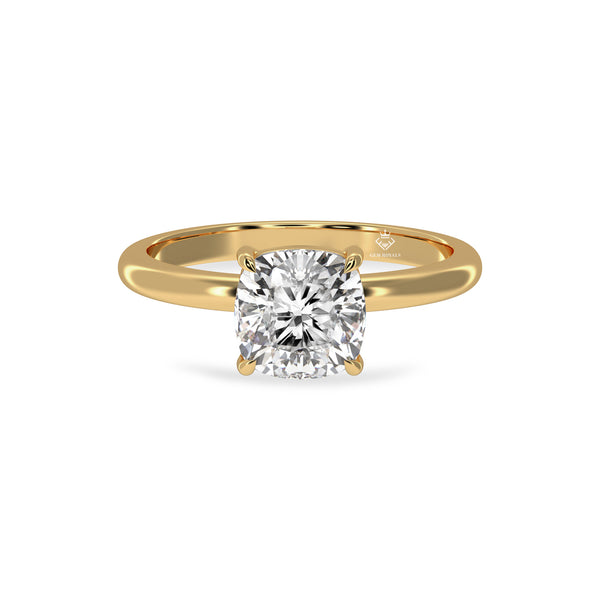
What Makes a 2 CT Engagement Ring Different From Smaller Stones
At two carats, a diamond crosses into a size range where flaws, tints, and poor cutting become far more noticeable to the naked eye than they would in a 0.5 or 1 carat stone. Because the surface area is larger, light behaves differently across the diamond's facets. This means the standard "4Cs" — Cut, Clarity, Color, and Carat — need to be evaluated with a slightly stricter eye than you would apply to a smaller ring.
A 2 ct diamond also commands a significantly higher price per carat than a 1 ct stone of similar quality, due to rarity. That price jump is exactly why a checklist matters: you want every dollar spent going toward genuine quality, not hidden shortcuts.
How to Evaluate a 2 CT Diamond the Right Way
1. Start With the Cut, Not the Carat
Many buyers assume carat weight is the most important factor, but cut quality is what actually determines sparkle. A well-cut 2 ct diamond can appear more brilliant and even larger than a poorly cut one of the same weight. Always ask for the cut grade (Excellent or Very Good is ideal) before anything else.
2. Check Clarity Under Real Lighting
At two carats, inclusions that would be invisible in a smaller stone can become noticeable. Look for a clarity grade of VS2 or higher, and whenever possible, view the diamond in natural daylight rather than under a jeweler's spotlight, which can mask imperfections.
3. Choose a Color Grade That Complements the Setting
For rings set in white gold or platinum, a color grade of G–H typically appears colorless to the eye. If you're leaning toward yellow gold, you can often go a grade or two lower (I–J) since the metal masks slight warmth in the stone.
4. Always Request Certification
Never buy a diamond of this size without independent certification from a recognized grading lab such as GIA or AGS. Certification protects you from inflated claims and confirms the stone's true specifications in writing.
5. Consider the Shape's Visual Impact
Elongated shapes like oval, pear, or emerald cuts tend to look larger per carat than round or cushion cuts. If maximizing visual size on a budget is a priority, shape choice matters almost as much as carat weight itself.
6. Match the Setting to Your Lifestyle
A 2 ct stone deserves a setting that protects it during daily wear. Prong settings enhance brilliance but require more maintenance, while bezel settings offer superior protection for active lifestyles.
Why Getting This Right Matters
An engagement ring isn't just a purchase — it's a symbol that's meant to last decades. Getting the details wrong on a 2 ct stone isn't like making a mistake on a smaller ring; the financial and emotional stakes are simply higher. A rushed decision can lead to buyer's remorse, overpaying for hidden flaws, or choosing a stone that doesn't photograph or wear the way you imagined. Following a structured checklist removes guesswork and puts you back in control of one of life's biggest purchases.
Many Types of 2 CT Engagement Rings to Consider
Classic Solitaire
A single, unembellished 2 ct diamond on a plain band. Timeless, versatile, and the most popular choice for a reason — nothing distracts from the stone itself.
Halo Setting
A ring of smaller diamonds surrounding the center stone, making the 2 ct diamond appear even larger while adding extra sparkle.
Three-Stone Ring
Symbolizing the past, present, and future of a relationship, this style pairs the center 2 ct diamond with two smaller side stones.
Pavé Band
Tiny diamonds embedded along the band itself, adding brilliance without overshadowing the central 2 ct stone.
Vintage-Inspired Designs
Featuring milgrain detailing, filigree work, and antique-style settings, these rings give a 2 ct diamond old-world elegance and character.
Fresh Angles Worth Knowing Before You Shop
Beyond the basics, a few lesser-discussed factors can make a real difference. Fluorescence, for instance, can affect how a diamond appears under different lighting — strong fluorescence sometimes gives a hazy look in larger stones. Similarly, the ratio of a stone's table and depth percentages influences how much light returns to the eye, which matters more visually than carat weight alone in many cases. Buyers who ask about these finer technical points typically end up with rings that look noticeably more brilliant, even when compared to similarly priced alternatives.
Final Thoughts
A 2 ct engagement ring is a meaningful investment, and approaching it with a clear checklist takes the guesswork out of the process. Focus on cut quality first, verify clarity and color under real lighting, always insist on certification, and choose a setting built for how the ring will actually be worn. For buyers who want expertly curated, certified options across a range of styles and budgets, Gem Royals offers a trusted selection of 2 ct engagement rings designed to make this decision easier and far more confident.
Comments (0)