


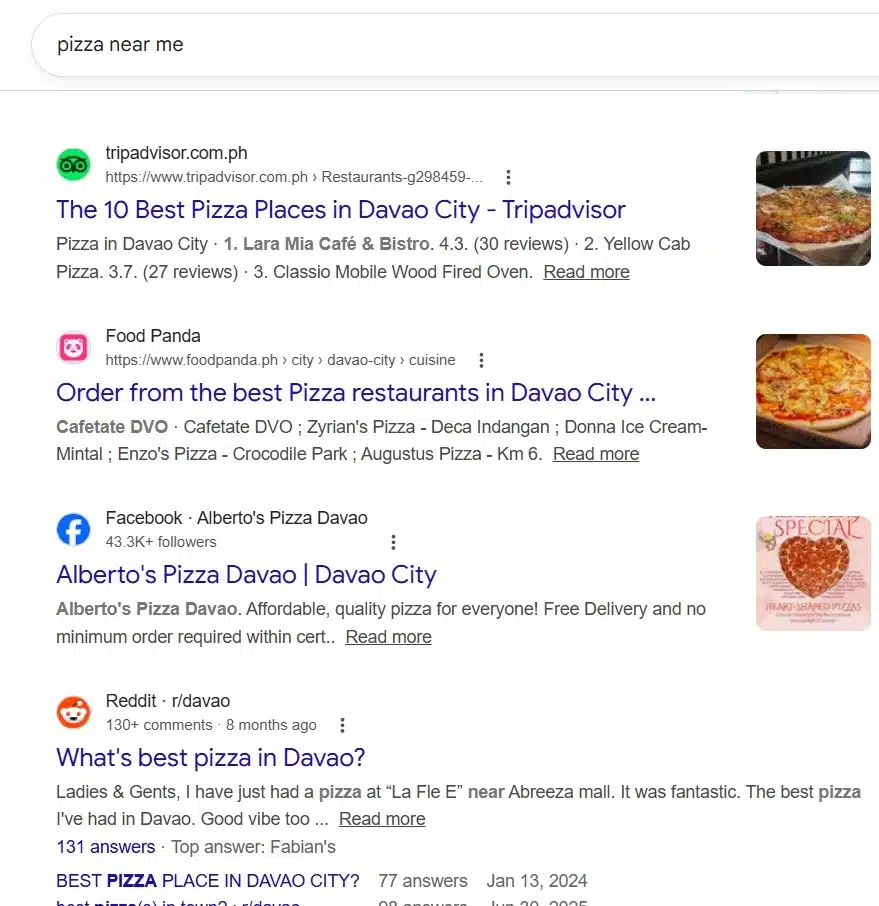
Finding accurate, up-to-date business information used to mean hours of manual searching, copying details from one listing at a time, and hoping the phone numbers were still correct. Google Maps holds an enormous amount of that information already, from business names and addresses to reviews, categories, and contact details, but pulling it out at scale has always been the hard part. Outscraper Google Maps Scraper was built specifically to solve that problem, turning what used to be a tedious manual task into a process that takes minutes instead of days. The following sections cover everything from initial setup to real-world use cases across a range of industries.
How the Tool Works
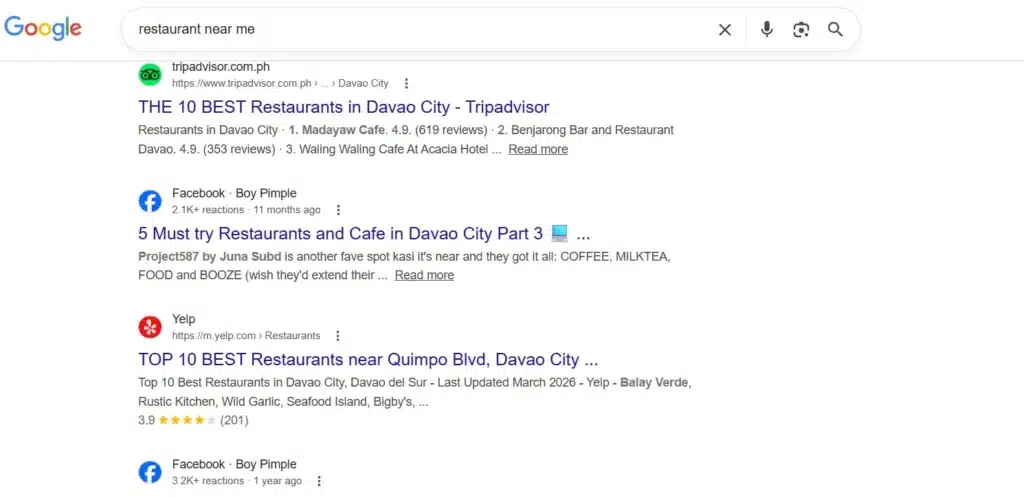
At its core, the tool takes a search query, similar to what you would type directly into Google Maps, and returns structured data for every matching business listing. That includes the business name, full address, phone number, website, category, star rating, number of reviews, and often additional fields like opening hours and social profiles when available. Instead of clicking through dozens or hundreds of individual listings, users get a complete dataset in one export. The process works by running searches across a defined location and business type, then compiling the results into rows and columns rather than a scattered list of map pins. This structured format is what makes the data immediately usable, whether the goal is building a prospect list, mapping out competitors in a region, or feeding a local SEO audit. It's a capability that Outscraper Google Maps Scraper handles particularly well.
Data Freshness and Accuracy
Since the underlying data comes directly from live Google Maps listings, it reflects information that business owners themselves have kept updated, including hours, contact details, and categories. That said, no data source is perfect, and it's good practice to spot-check a sample of results before launching a large outreach campaign, particularly for older or less actively managed listings. Data freshness matters a lot for outreach campaigns, since a phone number or address that was accurate a year ago might not be today. Because searches pull current listings at the time they're run, the results tend to reflect the most recent information available, which is a meaningful advantage over older, static business directories.
The Data Fields You Can Export
Beyond the basics of name, address, and phone number, exports can include website URLs, business categories, star ratings, total review counts, and sometimes email addresses pulled from linked websites. Each of these fields serves a different purpose: ratings and review counts help prioritize which leads are most established, while categories make it easy to segment a list by industry before starting outreach. Having structured fields rather than raw text makes filtering and sorting dramatically easier. A sales team might want only businesses with fewer than fifty reviews, since these are often newer or under-marketed and more receptive to outreach, while a market researcher might care more about geographic density than review counts at all.
How Pricing Works
Pricing for this kind of tool is typically usage-based, meaning costs scale with the volume of data extracted rather than a flat monthly fee regardless of use. This structure tends to work well for teams with variable needs, since a small test run costs very little, while a larger campaign requiring thousands of records simply costs proportionally more. Getting good value usually comes down to being specific about what data is actually needed before running large searches. Extracting every possible field for every business in a huge metro area is rarely necessary; narrowing the search by category and sub-region first often produces a more useful, more affordable dataset.
Who Uses This Data
Local SEO agencies use this kind of data to identify prospects who could benefit from better online visibility, sales teams use it to build cold outreach lists segmented by city and category, and market researchers use it to map competitive density across regions. Recruiters have even started using similar searches to identify local businesses that might be hiring, while event planners use it to compile vendor and venue shortlists. Franchise development teams often rely on this type of data to evaluate potential markets, comparing the number and density of similar businesses across different cities before deciding where to expand. Nonprofits, similarly, use it to identify local businesses that might be open to sponsorship or partnership conversations. As more industries find new applications for local business data, from recruitment to event planning to franchise development, tools built specifically for this kind of extraction are likely to keep playing a bigger role in day-to-day workflows.
Comments (0)