


Flykillers stand out as the practical answer when flies start showing up in your commercial space and the usual sprays or sticky strips just don’t cut it.
Commercial properties face a different level of pressure from flies than homes ever do. Restaurants, warehouses, hotels, food processing plants, retail spots – they all deal with constant foot traffic, food waste, open doors, and strict health rules. A few flies can turn into a real problem fast. Customers notice. Inspectors notice. And once the complaints start rolling in, fixing the reputation damage costs more than the pest control ever would. That’s why professional Flykillers make sense for these places. They’re built for the job, not just tossed up as an afterthought.
Flies don’t just annoy people. They carry pathogens – E. coli, salmonella, and a bunch of others – and drop them on surfaces, food, and equipment. In a commercial kitchen or processing area that can mean contaminated product, failed health checks, or even temporary shutdowns. DIY methods like aerosol cans or cheap sticky traps only knock down the adults you see. They leave the breeding sites alone. Professional units go further. They attract more effectively, catch cleaner, and work with proper placement and monitoring so the numbers stay low instead of bouncing back every few days.
Why Commercial Spaces Need More Than Basic Traps
Most commercial buildings have multiple entry points. Loading docks, customer doors, windows left open for air, refuse areas out back. Flies find them all. Add warm temperatures and organic waste and the population explodes. House flies, blow flies, fruit flies, drain flies – each behaves differently and needs a slightly different approach. A basic zapper or glue strip from the hardware store can’t cover the volume or the variety.
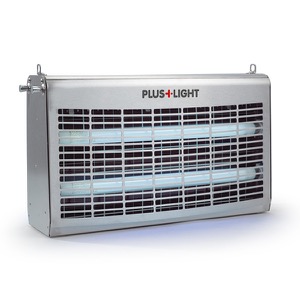
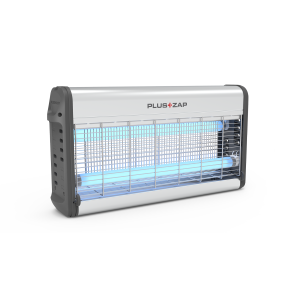
Professional Flykillers use stronger UV attraction, better glue boards or encapsulation systems, and designs that keep dead insects contained. That last part matters a lot in food areas. Old-style electric grids can blast insect pieces into the air. Newer commercial units pull the flies in and hold them so nothing scatters. Hygiene stays higher and the risk of secondary contamination drops. Energy use is lower too with the LED versions that last years instead of months. Over time that adds up on the power bill and on the labour of changing tubes.
Hygiene, Compliance, and Reputation Protection
Health departments and food safety auditors look for evidence of pest control. Having professional Flykillers installed and properly maintained shows you’re serious. Service records, scheduled board changes, and placement maps all help during inspections. Without that paper trail a small fly issue can escalate into a formal violation. Customers notice the difference as well. Nobody wants to eat under a cloud of flies or watch staff swatting at the air. One bad review mentioning pests can stick around online longer than you’d like.
Professional systems also sit discreetly. Units can be wall-mounted or ceiling-mounted in less visible spots while still covering the high-risk zones – near prep areas, entrances, waste stations. They keep working quietly in the background so staff can focus on the actual work instead of constant pest battles.
Long-Term Cost Savings Over Quick Fixes
Buying a few cheap traps feels cheaper up front. Then you replace them every week, spray more chemicals, and still deal with recurring problems. Professional Flykillers cost more initially but last longer and reduce the need for constant intervention. Many commercial LED models run for three years or more on the same lamps and use far less electricity. Regular service visits keep the units effective without your team having to remember every detail. Breeding sources get identified and treated so the pressure stays lower overall. The money saved on wasted product, lost customers, and potential fines usually covers the investment pretty quickly.
Placement and Integrated Approach Matter
Just hanging any unit on a wall isn’t enough. Professionals look at airflow, light levels, traffic patterns, and breeding hotspots before deciding where the Flykillers go. They combine the units with exclusion work – sealing gaps, improving door seals, managing outdoor waste – and basic sanitation advice. That full picture keeps numbers down better than hardware alone. Outdoor traps near refuse areas can cut the number of flies trying to enter in the first place. Inside units then handle whatever still gets through.
Reliability When the Stakes Are High
Commercial properties can’t afford downtime or sudden infestations during peak seasons. Professional Flykillers come with support. Technicians who know the local fly species, understand the regulations for your industry, and can adjust the programme when conditions change. If a new problem appears – a blocked drain breeding phorid flies, for example – they catch it early. DIY setups leave you guessing and reacting after the damage is done.
The technology keeps improving. Modern commercial units attract better, use less power, and contain the catch more hygienically than older models. They’re designed for continuous operation in busy environments rather than occasional home use. That reliability is what commercial operators need when reputation and compliance sit on the line every day.
Real-World Results in Different Sectors
Food service places see the biggest immediate benefit. Kitchens stay cleaner, dining areas stay more pleasant, and health scores improve. Warehouses and distribution centres keep products free from contamination during storage and loading. Hotels and care facilities avoid the complaints that come when guests or residents notice flies indoors. Even office buildings and retail sites benefit from fewer distractions and a cleaner overall feel. Across these settings the common thread is consistent, professional-grade control instead of hit-and-miss efforts.
Making the Switch Without Disruption
Installing professional Flykillers doesn’t have to shut down operations. Technicians plan the work around busy periods, place units carefully, and train staff on basic monitoring if needed. Ongoing service is scheduled so it fits the property’s routine. Many operators notice fewer flies within days and a clear drop in complaints within weeks. The units become part of the background infrastructure rather than a constant project.
Looking Beyond the Units Themselves
Good fly control sits inside a wider approach. Professional providers usually pair the Flykillers with advice on waste handling, drain cleaning, and structural proofing. That combination stops new generations from starting and keeps the adult numbers manageable. Over months the property becomes less attractive to flies overall. Staff spend less time dealing with pests and more time on core tasks. Customers and auditors both see the difference.
Final Thoughts on Choosing Professional Equipment
Commercial properties run on tight margins and high standards. Flies threaten both. Professional Flykillers deliver stronger attraction, cleaner capture, lower running costs, and the documentation needed for compliance. They work as part of a planned programme rather than isolated gadgets. The result is fewer health risks, better reputation protection, and less day-to-day hassle. For any business that handles food, welcomes the public, or simply wants a cleaner working environment, the professional route is the one that holds up under real pressure.
In the end the choice comes down to whether you want temporary relief or lasting control. Professional systems give the second option and prove their value every time an inspector walks through or a customer sits down without noticing a single fly.
Conclusion
Professional Flykillers give commercial properties the edge they need against persistent fly problems. They protect hygiene standards, support compliance, and safeguard the reputation that takes years to build. When paired with sensible sanitation and structural improvements the results last. One extra step that helps the whole effort is following solid Flyscreen Maintenance Tips – keep screens clean, repair small tears early, and check frames regularly so the physical barriers stay effective and the Flykillers don’t have to work overtime. Get the units right, maintain the screens, and the flies stay outside where they belong.
Comments (0)