


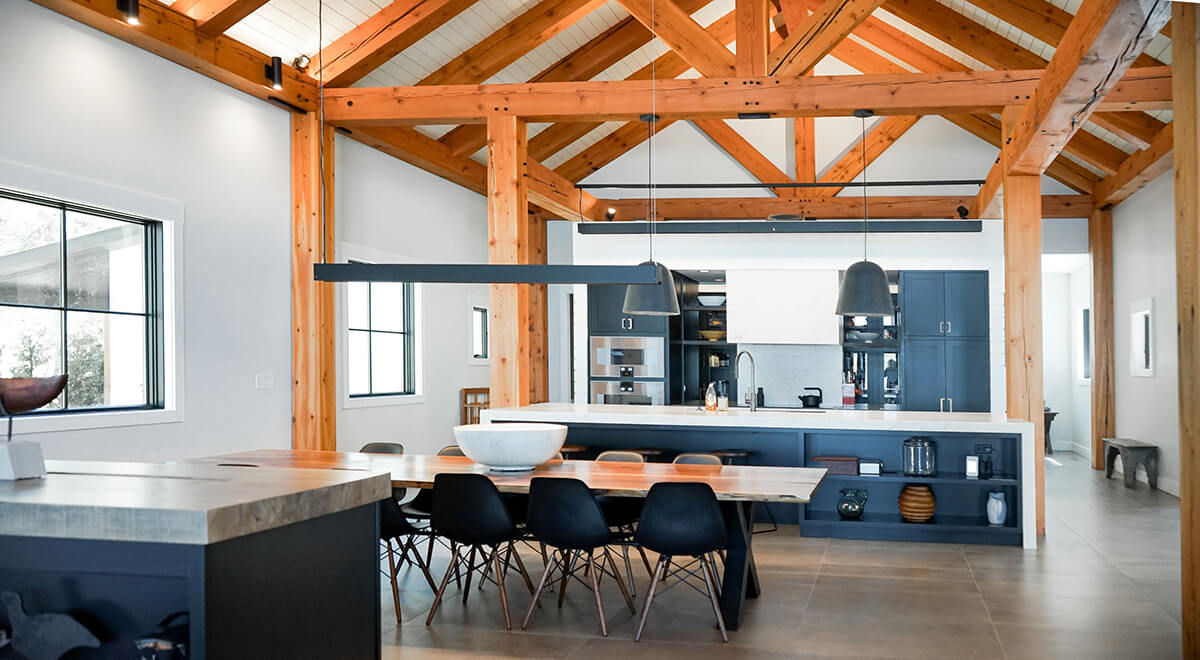
A luxury remodeling project can dramatically improve comfort, function, and property value, but it also requires careful financial planning. Many homeowners focus on finishes and design ideas while underestimating the full cost of the renovation process. Working with the Best Luxury Remodeling Company often helps homeowners create realistic budgets that account for every stage of the project. Understanding where money is spent can prevent surprises and help achieve high-end results without unnecessary stress.
Understanding the True Scope of Luxury Remodeling
Luxury remodeling goes beyond cosmetic upgrades. These projects often involve premium materials, custom craftsmanship, structural improvements, and personalized design features that create a distinctive living environment.
The scope of work has the greatest impact on overall costs. A complete kitchen transformation, custom home addition, or whole-house renovation will require a significantly larger budget than updating finishes alone. Homeowners should clearly define their goals before requesting estimates so they can align expectations with available funds.
Why Luxury Remodeling Costs More Than Standard Renovations
Luxury projects typically include higher-quality materials, specialized labor, and custom-built elements. These features increase both the cost and complexity of construction.
Unlike standard renovations, luxury remodeling often involves unique architectural details, imported materials, smart home technology, and tailored designs. These upgrades require experienced professionals who can deliver exceptional workmanship. Investing in quality often leads to better durability, functionality, and long-term satisfaction.
Budgeting for Design and Planning Services
Professional design services are a critical part of a successful renovation. A well-developed plan reduces costly mistakes and improves project efficiency.
Architects, interior designers, and project planners may charge fixed fees or a percentage of the project cost. Their expertise helps homeowners select materials, optimize layouts, and coordinate construction details. Spending money on planning at the beginning often prevents expensive changes later.
Benefits of Professional Design Guidance
Professional designers help transform ideas into practical solutions. They also identify opportunities that homeowners may overlook.
Their experience allows them to balance aesthetics, functionality, and budget considerations. This guidance often results in a more cohesive and valuable finished project.
Material Costs and Their Impact on the Budget
Materials account for a substantial portion of luxury remodeling expenses. Premium selections can significantly increase overall costs.
Natural stone countertops, custom cabinetry, hardwood flooring, designer lighting, and luxury fixtures often carry higher price tags. However, these materials usually provide superior appearance and durability. Homeowners should compare options carefully and prioritize features that deliver the most value for their lifestyle.
Labor Expenses in High-End Renovations
Skilled labor is essential for luxury remodeling projects. Experienced craftsmen ensure that every detail meets high standards.
Specialized professionals such as cabinet makers, stone fabricators, electricians, and finish carpenters often charge higher rates because of their expertise. While labor costs may seem substantial, quality workmanship reduces the likelihood of future repairs and contributes to a polished final result.
Permit and Inspection Costs
Many homeowners overlook permits when creating renovation budgets. Yet permits are often required for major remodeling work.
Building permits, inspections, and compliance reviews help ensure projects meet local regulations and safety standards. Permit costs vary by location and project size, but they should always be included in budget planning. Ignoring these requirements can lead to delays and additional expenses.
Smart Home Technology and Luxury Features
Modern luxury renovations frequently include advanced technology systems. These additions improve convenience, efficiency, and security.
Smart lighting, climate control systems, automated window treatments, integrated entertainment systems, and advanced security solutions can increase project costs. However, they also add functionality and appeal. Homeowners should identify which technologies provide the greatest benefit before making investment decisions.
Budgeting for Kitchen Remodeling Projects
The kitchen remains one of the most popular areas for luxury renovations. It also tends to be one of the most expensive spaces to remodel.
Custom cabinetry, professional-grade appliances, stone countertops, designer fixtures, and specialty lighting all contribute to project costs. A luxury kitchen often requires careful coordination among multiple trades. Homeowners should allocate sufficient funds for both aesthetics and functionality to maximize long-term value.
Financial Planning for Luxury Bathroom Upgrades
Bathrooms have evolved into personal wellness spaces. Luxury upgrades often include premium materials and advanced features.
Heated flooring, walk-in showers, custom vanities, soaking tubs, and high-end fixtures can quickly increase costs. However, these features create comfort and improve daily living experiences. Careful budgeting allows homeowners to prioritize upgrades that align with their goals.
Whole-Home Renovation Budget Considerations
A whole-home renovation requires extensive planning and financial preparation. These projects affect multiple rooms and systems simultaneously.
Costs may include structural modifications, electrical upgrades, plumbing improvements, flooring replacement, and interior redesign. Because of the project scale, homeowners should work closely with professionals to establish realistic budgets and timelines. Comprehensive planning reduces disruptions and improves project outcomes.
Hidden Costs That Homeowners Often Miss
Unexpected expenses can emerge during nearly any remodeling project. Preparing for these costs helps avoid financial stress.
Common hidden expenses include:
- Structural repairs discovered during demolition
- Electrical or plumbing upgrades
- Material delivery fees
- Temporary housing arrangements
- Additional design revisions
- Permit adjustments
- Inflation-related material increases
Setting aside a contingency fund provides financial flexibility if surprises occur during construction.
How Much Should You Reserve for Contingencies?
Even the most carefully planned project can encounter unforeseen challenges. Experts often recommend maintaining a contingency reserve.
Many homeowners allocate between 10% and 20% of the total renovation budget for unexpected expenses. This reserve can cover hidden damage, material price increases, or scope adjustments. Having contingency funds available prevents project delays and reduces financial pressure.
Financing Options for Luxury Remodeling Projects
Not every homeowner chooses to fund renovations entirely with savings. Several financing options may support larger projects.
Home equity loans, home equity lines of credit, renovation loans, and refinancing programs are commonly used to finance remodeling work. Each option offers different benefits and requirements. Comparing interest rates, repayment terms, and eligibility criteria helps homeowners make informed decisions.
Evaluating Long-Term Value and Return on Investment
Luxury renovations should be viewed as both lifestyle improvements and property investments. Some upgrades provide stronger returns than others.
Kitchen renovations, bathroom upgrades, energy-efficient improvements, and high-quality exterior enhancements often increase property appeal. While not every luxury feature generates a direct financial return, many contribute to improved marketability and homeowner satisfaction.
Choosing the Right Remodeling Partner
Selecting the right contractor has a major influence on project success. Experience, communication, and transparency should guide the decision.
The Best Luxury Remodeling professionals provide detailed proposals, realistic timelines, and clear explanations of costs. Homeowners should review portfolios, verify references, and discuss expectations before signing contracts. Strong communication helps ensure smoother project execution and better results.
Practical Steps for Creating a Realistic Budget
Developing a realistic budget requires more than estimating material costs. A comprehensive approach helps avoid financial surprises.
Start by defining project goals and prioritizing must-have features. Request detailed estimates from qualified professionals and compare scopes of work carefully. Include allowances for design services, permits, labor, materials, and contingency funds. Reviewing the budget regularly throughout the project helps maintain control over spending.
Conclusion
Luxury remodeling offers an opportunity to create a more beautiful, functional, and personalized home, but success depends on thoughtful budgeting. Homeowners should consider design fees, materials, labor, permits, technology upgrades, and unexpected expenses when planning their investment. Establishing realistic expectations and maintaining a contingency reserve can reduce stress throughout the process. Most importantly, partnering with experienced professionals helps ensure that every dollar is spent wisely. With proper planning and informed decisions, homeowners can complete luxury remodeling projects that enhance daily living while adding lasting value to their property.
Comments (0)