


As organizations continue adopting agile methodologies, the role of a Scrum Master has become essential for improving team performance, collaboration, and project success. Scrum Muster Online Course help teams follow agile principles, manage workflows, and overcome challenges during project execution. However, employers do not hire Scrum Masters only because of certifications or theoretical Scrum knowledge. They look for professionals who can combine agile expertise with leadership, communication, and practical problem-solving skills.
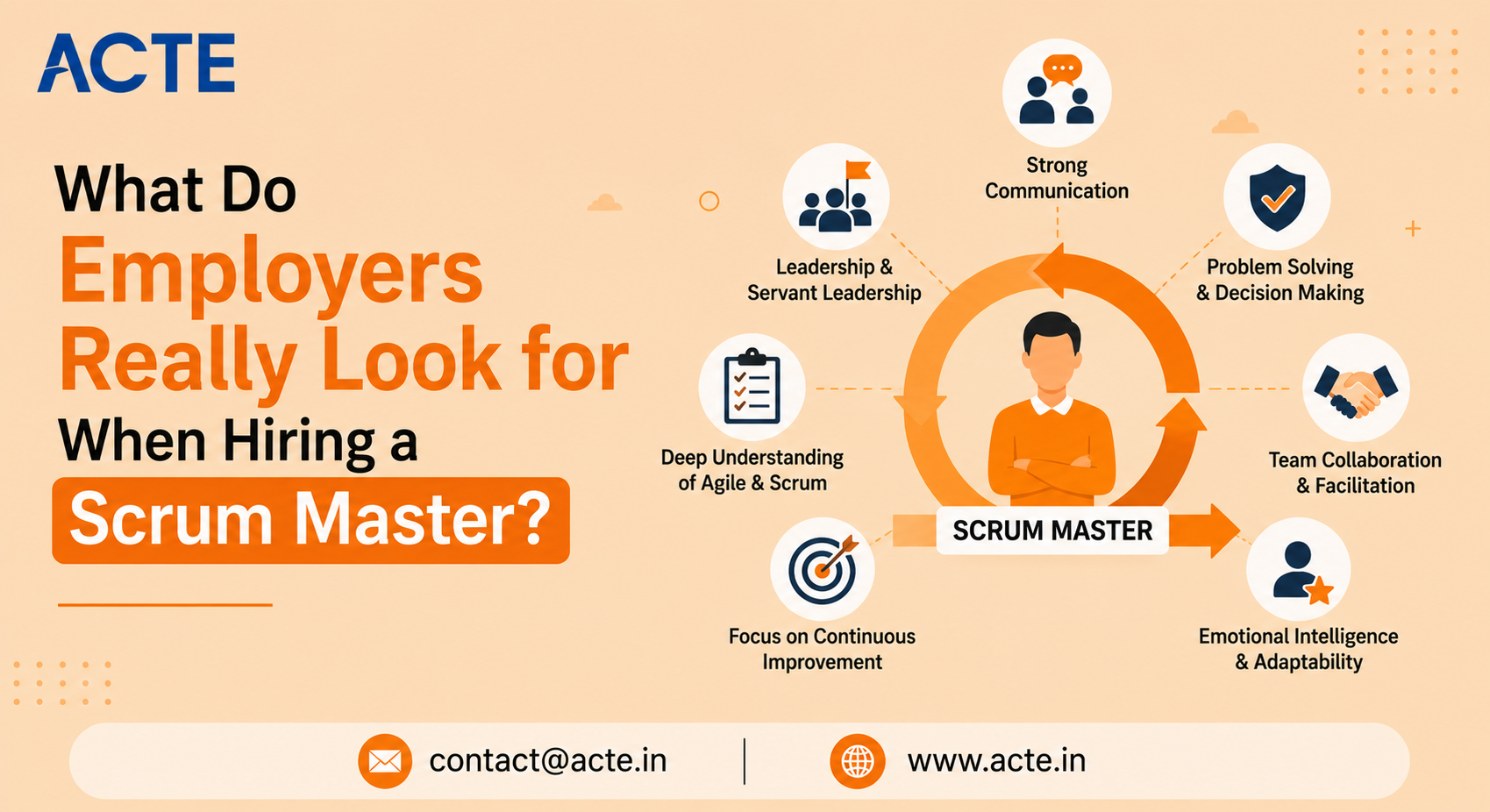
Strong Knowledge of Scrum Principles and Agile Practices
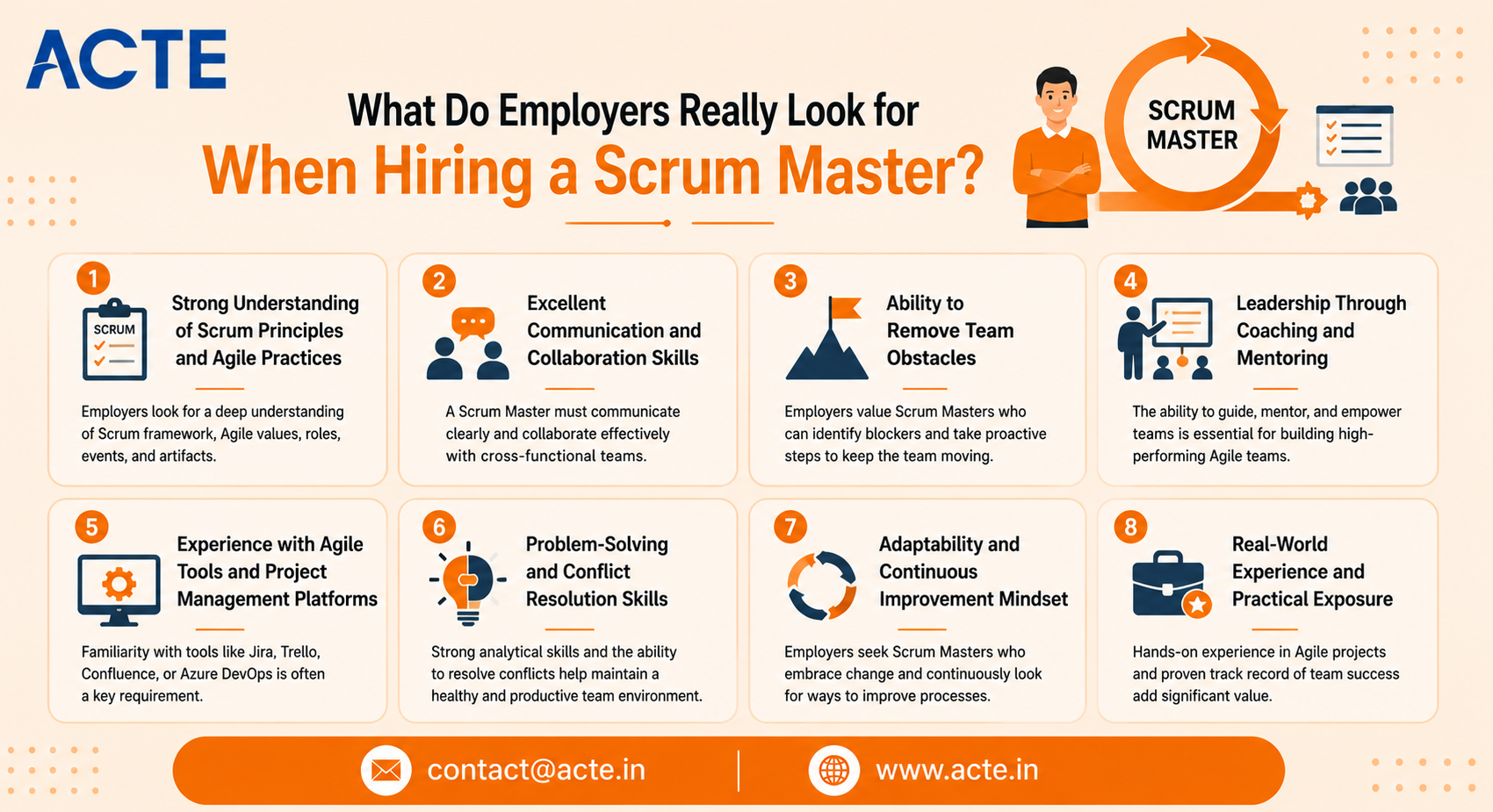
Employers expect Scrum Master candidates to have a complete understanding of Scrum frameworks and agile methodologies. They should know how Scrum roles, ceremonies, and processes work together to support successful project delivery. Companies prefer candidates who can apply Scrum practices effectively in real situations and help teams improve their productivity, adaptability, and overall performance.
Excellent Communication and Team Collaboration Skills
Effective communication is one of the most important qualities employers seek in Scrum Masters. Since they interact with developers, product owners, managers, and stakeholders, they must be able to communicate clearly and maintain strong professional relationships. A successful Scrum Master encourages open communication, builds trust among team members, and ensures that everyone stays aligned with project objectives.
Ability to Guide and Support Agile Teams
Employers look for Scrum Masters who can help teams become more independent and efficient. A good Scrum Master acts as a facilitator and coach who supports team members in improving their skills and working methods. They encourage self-organization, promote accountability, and create an environment where teams can collaborate effectively and achieve better results.
Strong Problem-Solving and Decision-Making Skills
Agile projects often involve challenges such as changing requirements, process issues, and team conflicts. Employers value Scrum Masters who can identify problems quickly and find effective solutions. The ability to remove blockers, analyze situations, and support teams during difficult situations helps maintain project progress and improves overall delivery outcomes.
Experience with Agile Tools and Project Management Platforms
Practical knowledge of agile tools is another factor employers consider when hiring Scrum Masters. Familiarity with platforms such as Jira, Azure DevOps, Trello, and Confluence helps Scrum Master Course in Chennai professionals manage tasks, track progress, and improve transparency. Candidates with hands-on experience using these tools can adapt more easily to real workplace environments.
Leadership Skills Through Coaching and Mentoring
Employers prefer Scrum Masters who demonstrate strong leadership through coaching and mentoring. Instead of controlling teams, effective Scrum Masters guide and motivate Scrum Master Course in Bangalore team members. They help individuals overcome challenges, encourage continuous learning, and support teams in developing better approaches to completing their work.
Ability to Manage Conflicts and Stakeholder Expectations
Managing conflicts is an important responsibility of a Scrum Master. Teams may experience disagreements, changing priorities, or different stakeholder expectations during projects. Employers look for professionals who can handle these situations calmly, encourage healthy discussions, and find solutions that support both team performance and business objectives.
Focus on Continuous Improvement and Adaptability
A successful Scrum Master always searches for ways to improve team processes and outcomes. Employers value professionals who continue learning, stay updated with agile Scrum Master Course in Hyderabad trends, and adapt to changing business needs. A continuous improvement mindset helps Scrum Masters identify opportunities for growth and create long-term value for organizations.
Conclusion
Employers hiring Scrum Masters look for a combination of agile knowledge, communication skills, leadership abilities, and practical experience. While certifications can help demonstrate Scrum expertise, the ability to support teams, solve problems, and improve processes makes candidates more valuable. By developing both technical and interpersonal skills, aspiring Scrum Masters can build successful careers and contribute effectively to agile organizations.
Comments (0)