


Renovating a property with natural wood surfaces introduces a level of architectural sophistication and organic warmth that alternative materials simply cannot match. When exploring your options for a home upgrade, understanding the average engineered timber flooring price helps you budget accurately for a premium finish. These multi-layered planks present a highly stable alternative to traditional solid timber, using a genuine hardwood veneer over a cross-layered core. However, the ultimate quote for your floorplan relies on several critical structural variables, from the rarity of the timber species to the exact method used by tradespeople to secure the boards underfoot.
The Thickness and Type of the Real Hardwood Wear Layer
The absolute primary factor determining the material cost is the top veneer layer, often called the lamella. Because this top section consists of genuine premium timber, its thickness directly dictates the price point and the overall lifespan of the floorboard.
- 2mm to 3mm Wear Layers: A highly cost-effective choice for entry-level projects, though these thinner profiles offer limited or no long-term sanding potential.
- 4mm to 6mm Wear Layers: Considered the premium trade benchmark. A thicker veneer commands a higher material price but allows the surface to be professionally sanded back and refinished multiple times over the decades.
Furthermore, the species selection alters the baseline cost. Elegant European Oak remains a widely accessible, versatile choice. Conversely, dense, highly durable native Australian hardwoods like Spotted Gum and Blackbutt typically carry a higher premium due to restricted harvesting supplies.
Structural Core Materials and Board Dimensions
The composition of the hidden backing core also shapes the manufacturing cost. High-tier boards utilize dense, multi-layered birch plywood structures that provide maximum resistance against the shifting climate. Budget-conscious ranges often swap this out for soft plantation pine or basic core alternatives, which offer slightly less dimensional stability.
Plank dimensions also influence the price. Producing ultra-wide or extra-long floorboards requires large, flawless pieces of harvested wood. Specifying wide-plank configurations will naturally command a premium over standard, narrow, short strips.
Installation Formats and Critical Subfloor Preparation
The final figure on a professional estimate is heavily impacted by the physical installation method and layout complexity. Standard straight-lay floating installations, where click-lock boards sit comfortably over a dense acoustic foam underlay, are highly efficient and economical.
Opting for a permanent direct-stick application requires specialized moisture barriers and high-strength structural trade adhesives, increasing the labor fee while providing an incredibly solid, quiet feel underfoot. Additionally, if an old subfloor contains notable troughs or waves, investing in diamond grinding or self-levelling compounds is a non-negotiable step to prevent the new click joints from bouncing and breaking under heavy foot traffic.
Summary
Estimating the price of an engineered wood floor involves calculating more than just the cost of raw planks. By balancing your wear layer expectations, choosing a stable core layout, and accounting for proper subfloor preparation, you ensure your contemporary flooring investment remains flat, durable, and visually magnificent for a lifetime.
Frequently Asked Questions
Is engineered timber flooring cheaper than solid hardwood?
Yes, engineered timber is generally more cost-effective than solid wood. The layered construction uses less raw, premium hardwood while delivering superior dimensional stability against indoor climate shifts.
Do geometric layouts like herringbone cost more?
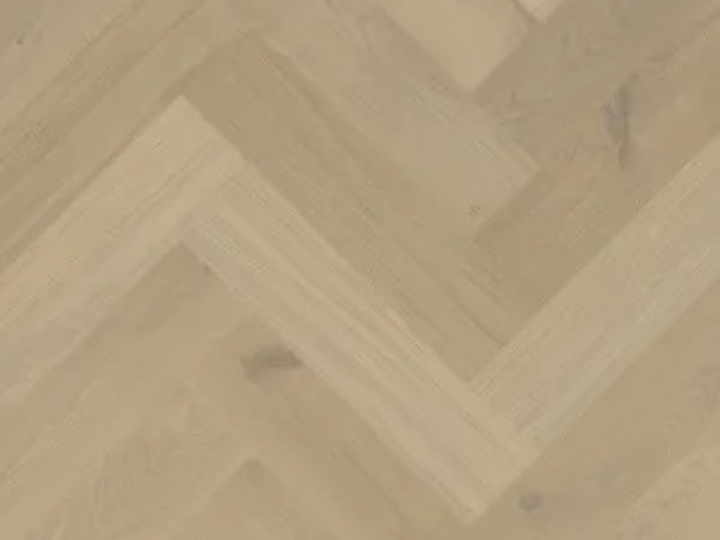
Yes, intricate herringbone or chevron parquetry patterns increase the overall project price. These geometric layouts require meticulous mathematical layout alignment, double the cutting labor, and generate up to fifteen percent material waste.
Can an uneven subfloor increase my total installation price?
Absolutely. If a concrete or wooden subfloor is not perfectly flat, installers must perform concrete grinding or pour self-levelling compounds before laying the boards to protect the structural joints from cracking.
Does the texture or visual grade alter the product cost?
Yes, timber sorting grades affect the cost. Refined select grades featuring uniform colors and minimal knots are rarer and cost more than rustic feature grades that embrace natural knots, grain variations, and sapwood.
What are the hidden costs to watch out for in a quote?
Homeowners should check if their estimate includes the removal and disposal of old carpets or tiles, subfloor leveling, premium acoustic underlays for apartment compliance, and matching finishing trims for doorways and borders.
Comments (0)