


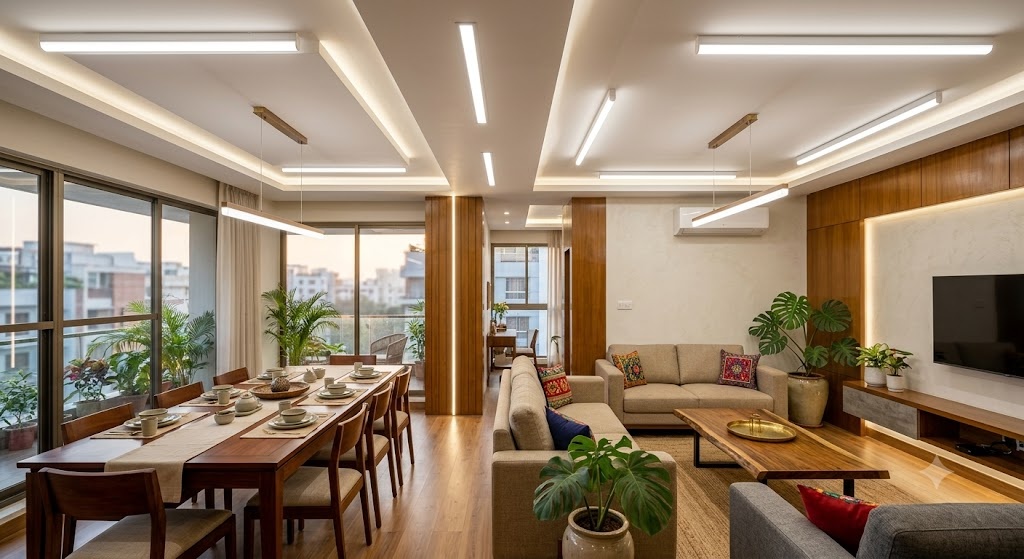
To be honest, most people don't think much about tube lights until they're standing in a shop, staring at a wall of boxes, trying to work out which one won't die within six months. I've been there myself, and let's face it, the choices can feel overwhelming when nobody's explained the actual differences.
Choosing the best led tube light for your home or office isn't as complicated as it seems once you understand what actually matters. So let's break it down properly, without the jargon that makes half these guides so tedious to read.
Why LED Tube Lights Took Over So Quickly
Old fluorescent tubes had a good run, but they came with real downsides. They flickered, they hummed, they took ages to warm up on cold mornings, and they didn't exactly sip electricity either.
LED tube lights fixed most of that. They switch on instantly, they don't buzz, and they use noticeably less power for the same amount of brightness. You've probably noticed how much cooler they run too, which matters more than people realise, especially in smaller rooms.
What Makes a Tube Light Actually Good
Not every LED tube on the shelf deserves the label "best." A fair few are just fluorescent tubes with LEDs bolted in as an afterthought, and the difference shows pretty quickly.
Brightness and Lumens
Brightness gets measured in lumens, not watts, though loads of people still shop by watts out of habit. A good quality tube light delivers strong, even brightness without harsh glare or dark patches along its length.
Colour Temperature
This one trips people up constantly. Warm white sits around 3000K and gives a cosy, yellowish glow, perfect for bedrooms and living spaces. Cool white or daylight, closer to 6000K, suits kitchens, offices, and workspaces where clarity matters more than ambience.
Energy Efficiency
The whole point of switching to LED is saving on your electricity bill, so efficiency genuinely matters here. Look for tubes with a high lumens-per-watt rating rather than just picking whatever's cheapest on the shelf.
Lifespan
Decent LED tubes should easily run for 25,000 to 50,000 hours. That's years of use before you even think about replacing them, assuming you're not buying the bargain-bin variety that cuts corners on internal components.
Common Mistakes People Make When Buying
Here's the thing, a lot of buying mistakes come down to rushing the decision. Grabbing the cheapest option because it looks identical to the pricier one often backfires within months.
Some things worth double-checking before you buy:
- Confirm the tube fits your existing fitting or fixture properly
- Check the colour temperature matches the room's purpose
- Avoid unbranded tubes with no warranty or certification
- Compare lumens rather than relying purely on wattage
- Ask about driver quality, since a weak driver shortens lifespan dramatically
I've made the mistake of buying a suspiciously cheap batch once, and within four months, two had already started flickering. Lesson learned the hard way, as these things often go.
Where LED Tube Lights Work Best
Kitchens genuinely benefit from brighter, cooler tones since you need clear visibility while chopping vegetables or reading recipes. Offices and study rooms work well with similar tones too, helping keep focus sharp during long hours.
Living rooms and bedrooms, on the other hand, often feel more inviting with warmer tones. It's kind of amazing how much a simple colour temperature choice changes the entire mood of a room, honestly.
Garages, workshops, and storage areas usually call for maximum brightness without much concern for warmth, since function matters more than ambience in those spaces.
Comparing Prices Before You Commit
Prices for LED tube lights vary quite a bit depending on brand, wattage, and length. It's genuinely worth comparing a few options rather than grabbing the first thing you see, especially since quality differences aren't always obvious just from packaging.
If you're shopping locally, checking a trusted listing for the Best Led Tube Light in Bangladesh gives you a clearer sense of what fair pricing actually looks like before you head to a shop or place an order online.
Installation Tips Worth Knowing
Swapping an old fluorescent fitting for an LED tube sometimes requires bypassing the old ballast, which isn't always straightforward for someone unfamiliar with wiring. Believe it or not, plenty of people skip this step and wonder why their new tube flickers or fails early.
If you're not confident handling the fitting yourself, it's worth having an electrician do a quick check. It takes them minutes, and it saves you from a bulb that dies within weeks because of a mismatched connection.
Maintaining Your LED Tube Lights
Unlike fluorescent tubes, LEDs don't need much fussing over. Occasional dusting keeps them looking clean and performing at their best, since accumulated dust can slightly dim output over time.
Avoid switching them on and off excessively within short periods, though LEDs handle this far better than older tube types ever did. Honestly, one of the nicest things about LED tubes is just how low-maintenance they are once installed properly.
Ready to Brighten Up Your Space?
Choosing the right tube light isn't just about grabbing whatever's on the shelf, it's about matching brightness, tone, and quality to how you actually use each room. Once you get it right, you genuinely notice the difference every single day.
Ready to explore more about lighting your home properly? Let's begin your journey.
Frequently Asked Questions
How long do LED tube lights typically last?
Most quality LED tubes last somewhere between 25,000 and 50,000 hours, which usually translates to several years of regular use. Cheaper, poorly made options tend to fail much sooner, sometimes within months.
Can I use an LED tube in my old fluorescent fitting?
In many cases yes, though you might need to bypass the old ballast first. It's worth checking compatibility or asking an electrician if you're unsure about the wiring involved.
What's the difference between warm white and cool white tubes?
Warm white gives off a cosy, yellow-toned glow suited to relaxing spaces, while cool white offers a brighter, bluish tone better suited to kitchens and workspaces where clarity matters more.
Do LED tube lights really save money on electricity bills?
Yes, quite noticeably actually. They use significantly less power than fluorescent tubes for similar brightness levels, and the savings add up meaningfully over months and years of daily use.
Why do some cheap LED tubes flicker after a few weeks?
Flickering usually points to a poor quality driver inside the tube, which struggles to regulate power properly. It's one of the clearest signs that corners were cut during manufacturing.
Is it worth paying more for a branded LED tube light?
Generally, yes. Branded options tend to come with better build quality, proper certification, and warranty support, which matters a lot if something goes wrong down the line.
Comments (0)